
Vyf vrae met Hendrien de Munck
Wynmaak lyk van buite na ’n romantiese beroep, maar agter elke bottel skuil ure se harde werk, besluite en toewyding. Hendrien de Munck, wynmaker van Maia Wines, deel haar perspektief op die realiteit van wynmaak, kreatiwiteit in die kelder en waarom sy glo daar is nog groot potensiaal vir…

· 4 min read
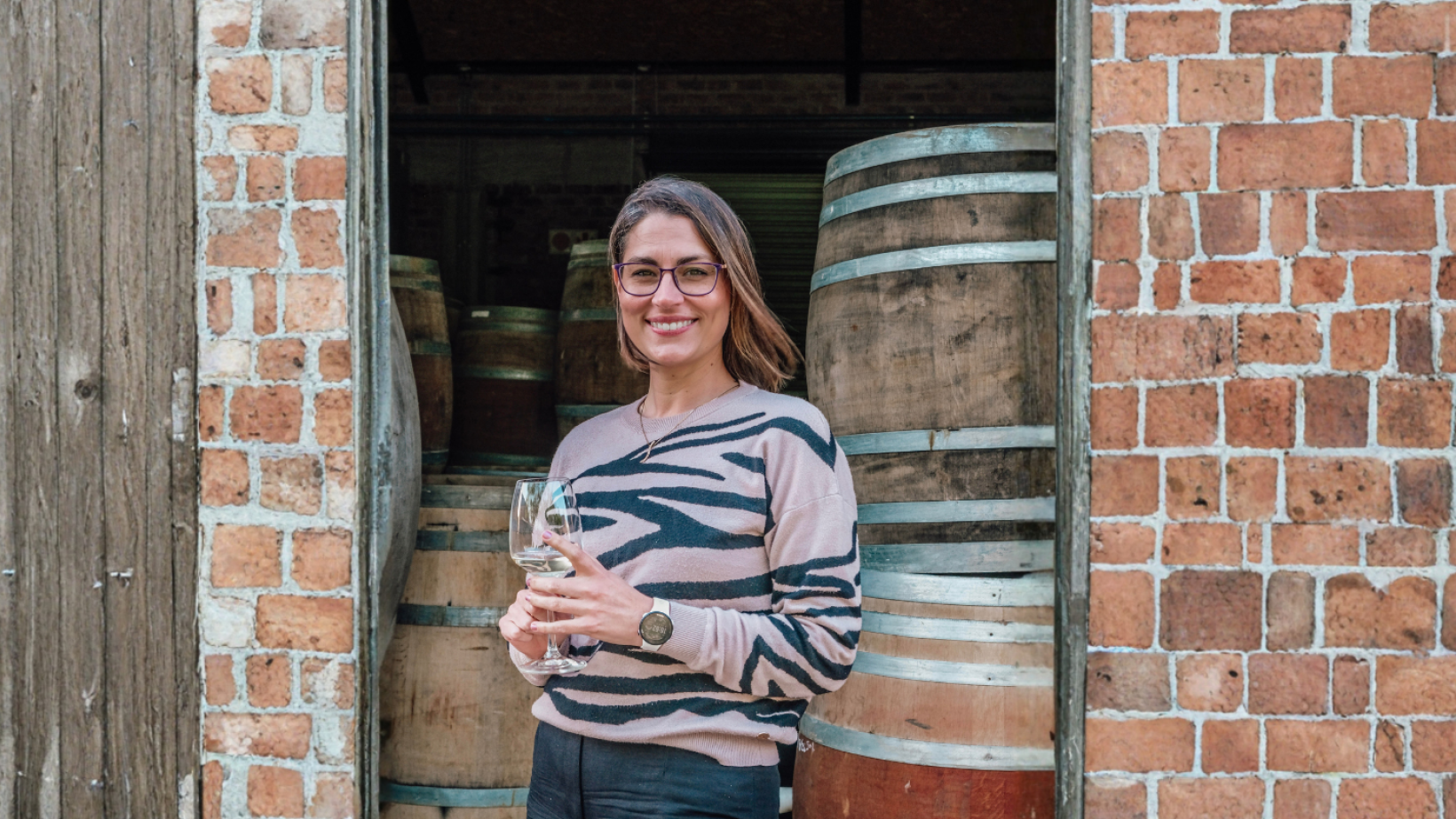
Hendrien de Munck se Maia Wines is ’n klein, gefokusde projek waarin sy met minimale ingryping die karakter van vrug en plek wil laat skyn deur kelderbesluite sorgvuldig te weeg. Sy beklemtoon dat wynmaak harde, fisiese werk verg en dat ’n eie handelsmerk kapitaal, passie en navorsing nodig het. Sy glo Suid-Afrika maak wêreldklaswyn en sien besondere potensiaal vir Grenache, ook in Stellenbosch.
Summary written by AI from this article. The full article is under “Deep dive”.
Listen to this article· 5 min
Passage 1 of 5
Read aloud by an AI voice. The words are the article’s own, nothing is summarised or translated.
Hendrien se Maia Wines-projek is klein in volume, maar groot in fokus. As onafhanklike wynmaker werk sy met ’n minimalistiese benadering, waar die doel nie is om die wyn te oorheers nie, maar eerder om die karakter van die vrug en plek te laat skyn.
Dié benadering beteken egter nie dat die wyn homself maak nie. Elke besluit in die kelder speel ’n rol. Van persbesluite tot vatkeuses lê die kreatiewe proses juis daarin om te weet wanneer om in te gryp en wanneer om terug te staan.
Ons het vir Hendrien gevra om haar gedagtes te deel oor wynmaak, die uitdagings van ’n eie handelsmerk en waar sy die Suid-Afrikaanse wynbedryf sien beweeg.
Wat is iets oor wynmaak wat mense dikwels verkeerd verstaan?
Ek dink mense verstaan nie altyd hoe fisies en harde werk wynmaak eintlik is nie. Daar is ’n idee dat dit baie romanties is, maar die realiteit is anders.
Natuurlik is daar ongelooflike oomblikke, soos wanneer jy die vrug sien ontwikkel en uiteindelik die finale wyn proe, maar daar is ook baie lang dae, baie hande vuil maak en baie verantwoordelikheid. Dit is nie net om ’n glas wyn te geniet en mooi stories daaroor te vertel nie.
Hoe balanseer jy kreatiwiteit en beheer wanneer jy met minimale ingryping werk?
Jy werk met wat jy het en jy speel met die proses. Alles begin by fermentasie. Jy kan besluite neem oor wanneer jy pars, hoeveel keer jy oorpomp, of jy stingels insluit, heel trosse gebruik of nie. Daar is baie klein besluite wat uiteindelik die karakter van ’n wyn bepaal.
Die keuse van waarin die wyn verouder, speel ook ’n rol. Ek gebruik ouer vate wat reeds goed ingewerk is, maar daar is ook ander moontlikhede, soos om ’n gedeelte van die wyn in kleipotte te maak.
Daar is baie maniere om kreatief te wees sonder om swaar in te gryp. Vir my gaan dit daaroor om die wyn te ondersteun eerder as om dit te probeer beheer.
In watter mate weerspieël jou persoonlikheid die wyne wat jy maak?
Ek maak elegante wyne. Ek dink daar is iets van my persoonlikheid daarin, veral die fokus op detail, sagtheid en finesse, maar daar is ook ’n sekere krag daaragter.
Ek is ’n borrelende en sosiale mens, maar ek is ook ’n ma wat werk met baie verantwoordelikhede. Daar is ’n element van deursettingsvermoë en bemagtiging daarin, om al hierdie verskillende rolle te probeer balanseer.
Ek wil ook hê mense moet die wyn ernstig opneem. Baie mense besef nie hoeveel opoffering dit verg om ’n wynhandelsmerk van die grond af op te bou nie.
Wat is jou wenk vir iemand wat hul eie wynhandelsmerk wil begin?
Maak seker jy het die kapitaal voordat jy wegspring. Dit is nie ’n goedkoop stokperdjie nie.
Ek was gelukkig om eers te kon eksperimenteer voordat ek my handelsmerk begin oprig het. Dit het my kans gegee om te leer en te verstaan wat ek wou doen.
Maak ook seker jy het ’n passie vir wynmaak, want dit is nie altyd maklik nie. Doen genoeg navorsing en moenie net maak wat almal anders maak nie. Daar is steeds baie geleenthede om nuwe rigtings te verken.
Waar sien jy die Suid-Afrikaanse wynbedryf beweeg, en waar pas Maia Wines binne daardie prentjie?
Ek dink mense onderskat ons wynbedryf. Ons maak werklik wêreldklaswyn, en hoewel daar uitdagings is en die mark moeilik kan wees, het ons as bedryf baie ver gekom, veral wat kwaliteit betref.
Vir Maia Wines glo ek daar is plek vir ’n kleiner, gefokusde handelsmerk met ’n duidelike identiteit. Ek het spesifiek gekies om met Grenache te werk, omdat ek dink daar is baie potensiaal vir dié kultivar in Suid-Afrika.
Baie van ons klimaat en streke het ooreenkomste met die Rhône in Frankryk, waar Grenache floreer. Alhoewel die Swartland reeds bekend is vir Grenache, dink ek Stellenbosch het ook groot moontlikhede. As Shiraz hier goed werk, kan Grenache ook.
Ek hoop my fokus op Grenache help om meer belangstelling in die kultivar te skep en mense aan te moedig om dit te ontdek.
Hendrien’s Maia Wines project is small in volume, but big on focus. As an independent winemaker, she takes a minimalist approach, aiming not to overpower the wine, but rather to let the character of the fruit and the place shine through.
That approach doesn’t mean the wine makes itself, though. Every decision in the cellar plays a part. From pressing decisions to barrel choices, the creative process lies in knowing when to step in and when to step back.
We asked Hendrien to share her thoughts on winemaking, the challenges of building her own brand and where she sees the South African wine industry heading.
What is something about winemaking that people often misunderstand?
I don’t think people always understand just how physical and hard the work of winemaking is. There’s an idea that it’s very romantic, but the reality is different.
Of course, there are incredible moments, like watching the fruit develop and eventually tasting the finished wine, but there are also many long days, plenty of getting your hands dirty and a lot of responsibility. It’s not just about enjoying a glass of wine and telling lovely stories about it.
How do you balance creativity and control when working with minimal intervention?
You work with what you have and play with the process. It all starts with fermentation. You can make decisions about when to press, how often to pump over, whether to include stems and whether to use whole bunches. There are many small decisions that ultimately shape a wine’s character.
The choice of vessel in which the wine matures also plays a part. I use older barrels that are already well seasoned, but there are other possibilities too, such as making a portion of the wine in clay pots.
There are many ways to be creative without heavy intervention. For me, it’s about supporting the wine rather than trying to control it.
To what extent does your personality reflect the wines you make?
I make elegant wines. I think something of my personality comes through in them, especially the attention to detail, softness and finesse, but there’s also a certain strength behind them.
I’m bubbly and sociable, but I’m also a mother who works and has many responsibilities. There’s an element of perseverance and empowerment in trying to balance all these different roles.
I also want people to take the wine seriously. Many people don’t realise how much sacrifice it takes to build a wine brand from the ground up.
What is your advice for someone who wants to start their own wine brand?
Make sure you have the capital before you get started. It’s not a cheap hobby.
I was fortunate to be able to experiment before setting up my brand. It gave me the chance to learn and understand what I wanted to do.
Also make sure you’re passionate about winemaking, because it’s not always easy. Do enough research and don’t just make what everyone else is making. There are still plenty of opportunities to explore new directions.
Where do you see the South African wine industry heading, and where does Maia Wines fit into that picture?
I think people underestimate our wine industry. We really do make world-class wine, and although there are challenges and the market can be tough, we’ve come a long way as an industry, especially in terms of quality.
For Maia Wines, I believe there’s room for a smaller, focused brand with a clear identity. I specifically chose to work with Grenache because I think this cultivar has plenty of potential in South Africa.
Much of our climate and many of our regions have similarities to the Rhône in France, where Grenache thrives. Although the Swartland is already known for Grenache, I think Stellenbosch also has great potential. If Shiraz does well here, Grenache can too.
I hope my focus on Grenache helps generate more interest in the cultivar and encourages people to discover it.
Translated from the Afrikaans by AI. The Afrikaans article is the original.

More from
People, community and tourism
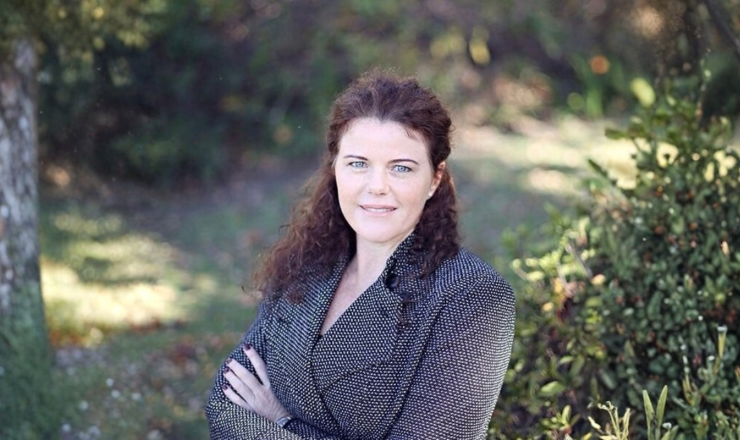
Five questions with Liandra Kotzé
“Consumers haven’t stopped loving wine. They’ve changed how they choose it.” Wine marketers spend a great deal of time asking how to sell more wine. According to Vinimark Brand Portfolio Director Liandra Kotzé, the better question is whether we’re listening closely enough to the people we’re…
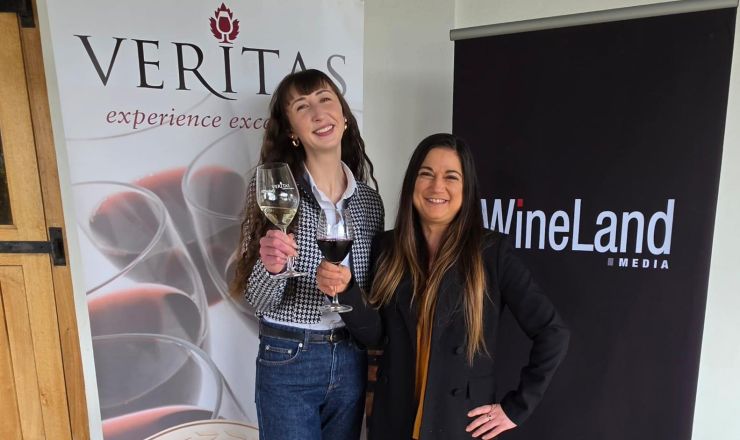
Fresh voices, fresh perspectives
What does the next generation of South African wine drinkers want? It is a question the industry keeps asking. This year’s New SA Wine Writer competition suggests that some of the answers might come from a new generation of storytellers.
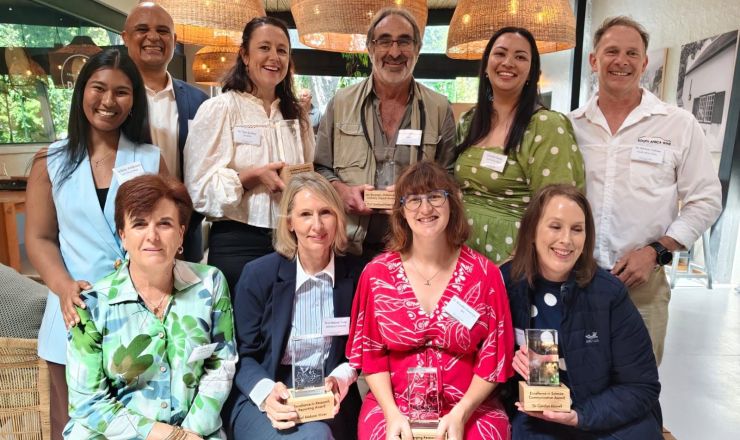
RDI Day honours the people behind South African wine research
South Africa Wine's first RDI Day, held on 7 October 2026 at Diamant Estate in Paarl, put the people who have spent more than 27 years building the industry's research, development and innovation capacity at the centre of the programme.