
Western Cape donates 8608 indigenous trees to restore ecological infrastructure and mitigate future flood damage
· 2 min read
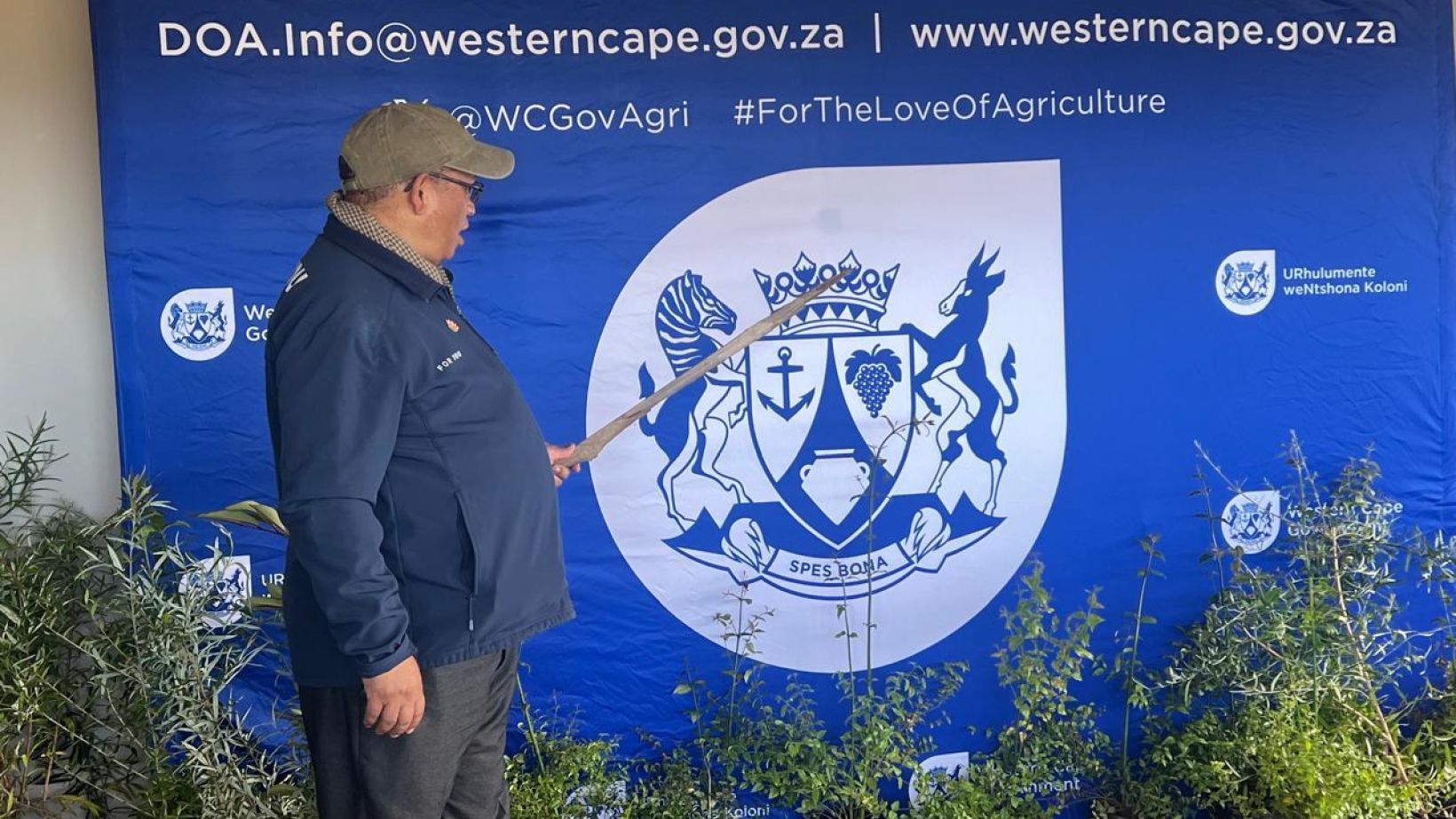
The Western Cape Minister of Agriculture, Economic Development and Tourism, Dr Ivan Meyer, visited the Western Cape Development of Agriculture’s Worcester Veld Reserve Research Farm outside Worcester.
During the visit, Minister Meyer highlighted that in celebration of Arbor Month, the WCDoA will distribute 8608 Indigenous trees, including the wild peach tree, fuschia tree, ashwood tree and the fake olive (vals olyf)tree, to various organisations, including primary schools Overhex NGK, Worcester East, and Brandwacht Primary Schools. The Agricultural Women’s Society (VLV) and local farmers were also recipients.
Minister Meyer: “One of the easiest ways to mitigate the impact of climate change is to plant a tree”.
‘But we cannot do it alone. Partnerships with organisations such as the Breedekloof Wine Valley, Landcare South Africa and the Berg River Water User’s Association are vital”, said the Minister.
Erica Scholtz, CEO of Berg River Water’s Association. This collaboration has been instrumental in building resilience against some of the most pressing challenges we face, including climate change and natural disasters.
“One of the most tangible examples of the power of collaboration is the ongoing work in Invasive Alien Plant (IAP) clearing”.
“By removing invasive species that consume vast amounts of water, we have made more water available for agriculture and the environment. Since 2021, we have cleared 2,000 hectares of alien plants, saving the equivalent of 230,000 swimming pools of water”, added Erica Scholtz.
According to Rudolph Roscher, the Department’s Deputy Director of Landcare, the project brings together the government, landowners, conservation authorities, and a diverse group of NGOs to restore and protect natural resources.
Rudolph Roscher: “We can restore damaged ecological infrastructure by removing alien vegetation and planting Indigenous plants.”
Minister Meyer: Projects of this nature help build resilience against climate change and natural disasters and offer much-needed job opportunities.
“Last year, 31000 hectares of alien vegetation was removed and 1775 jobs created”, continued the Minister.
“The project helps to increase our job opportunities, particularly for the youth working on projects such as removing alien vegetation.”
“Growth for jobs remains a key priority for the Western Cape Government”, concluded the Minister.

More from
People, community and tourism

South African wineries shortlisted for Golden Vines award
South Africa continues to make its mark on the global stage, taking two of the three World’s Best Rising Star spots, with Mullineux and Alheit Vineyards shortlisted alongside Spain’s Comando G. The Sadie Family Wines, Rising Star winner in 2023 and 2024, has also progressed to the Best Fine Wine Producer in the Rest of the World shortlist. The shortlist is voted for by an Academy of nearly 1,300 senior wine and spirits professionals, whose insights directly inform the full report (released during the awards weekend).

Wine Tourism South Africa announces partnership
Wine Tourism South Africa has announced Air France-KLM as the official airline partner to the 2027 Wine Tourism Conference.
Brookdale Estate launches Wine Club
Brookdale Estate has announced the launch of its Wine Club, inviting wine lovers to become part of the estate’s ongoing evolution to discover new and exclusive wines from its Paarl cellar.