
19th AWITC, Adelaide, Australia (Part 2): Smoke taint in wine - perspectives from the Australian experience
There were 34 workshops presented at the 19th Australian Wine Industry Technical Conference held in Adelaide, South Australia, from 19 - 24 July 2025, with 1 061 workshop tickets sold. Two workshops were presented on aspects of smoke taint in wines, flash presentations in the Plenary sessions and…
· 8 min read
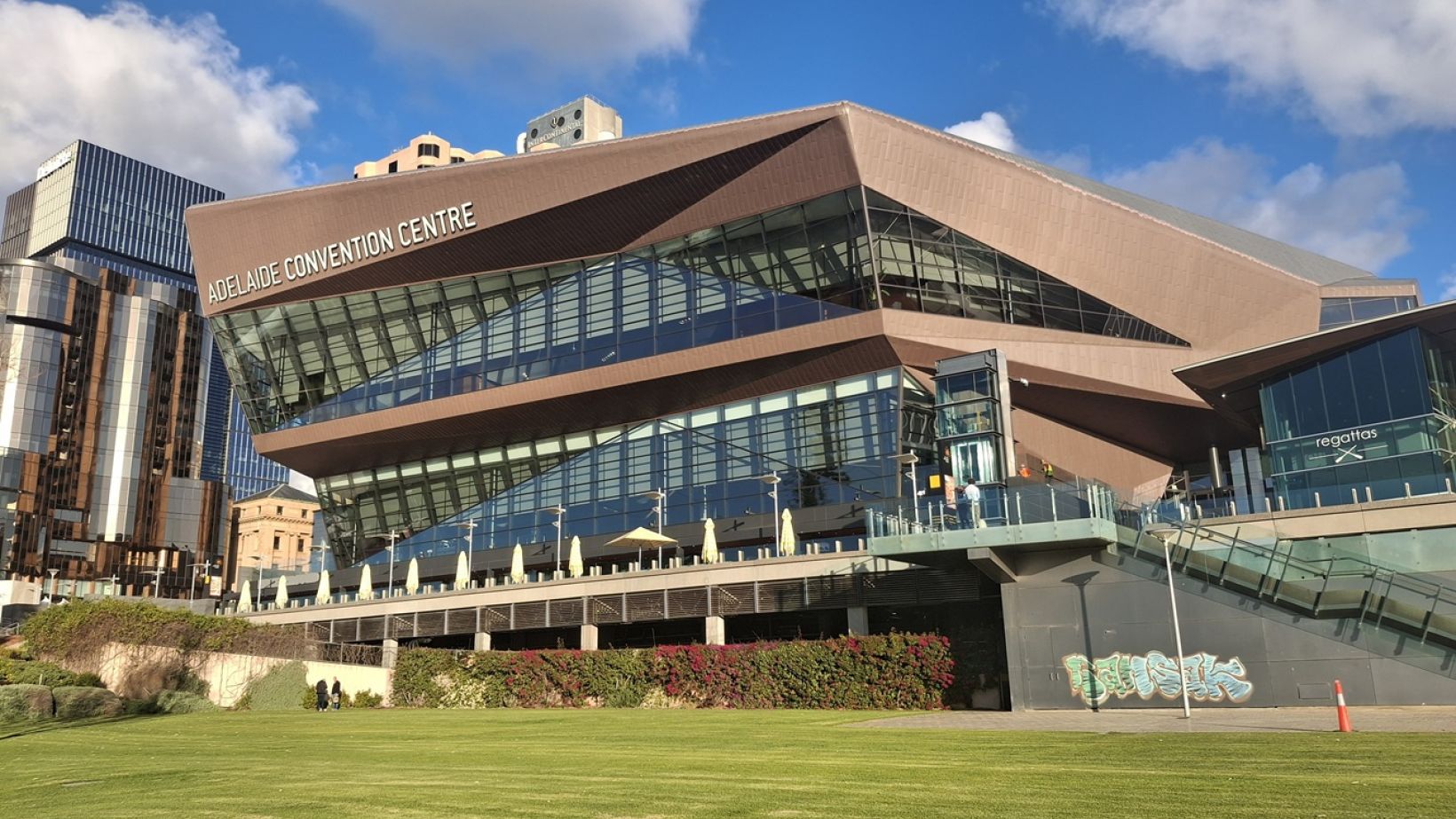

The Australian Wine Industry Technical Conference (AWITC), held every three years, also has a workshop programme. According to Mark Kristic, Managing Director of the Australian Wine Research Institute (AWRI) and Chair of AWITC Inc, the workshops allow delegates to gain more information on specific topics and provide opportunities for greater interaction. There were 34 workshops presented at the 19th AWITC held in Adelaide, South Australia, from 19 - 24 July 2025, with 1 061 workshop tickets sold. Interestingly, 6 378 glasses of wine were poured, cleared and washed in the workshops. There were two workshops on aspects of smoke taint in wines, flash presentations in the Plenary sessions and several posters.
Smoke taint workshops
Workshop #07: “Practical tools for grape growers and winemakers to monitor and manage smoke exposure from fire events” led by Sharon Harvey (Wine Australia) and Ian Porter (LaTrobe University)
Twenty people attended Workshop #07, which also included a wine tasting (Figure 1). The biggest risk to Australian wine production is smoke taint, and there has been an estimated loss of $AUD 1.6 billion in wine revenue since 2003 due to this occurrence. Smoke taint in wine occurs when smoke, which consists of gases, water vapour, hydrocarbons and particulates, enters grapes. The hydrocarbons undergo glycosylation, which means that they bind with sugar in grapes. About 60% of the bound compounds are in the grape skins. During winemaking, fermentation releases volatiles in their free form, and further hydrolysis occurs in the mouth during wine consumption. The “ashtray” smell and taste in wines are classified as wine faults.
There are several risk factors for smoke taint in wines. In this regard, it is known that there is no translocation of the glycosides in the grapevine and no carryover effect between seasons. Grape berries with thinner skins are more susceptible, and the risk of smoke taint in wines is greatest when grapes are contaminated with smoke during berry ripening. Other risk factors include smoke characteristics, vineyard proximity to the fire and prevailing weather conditions.
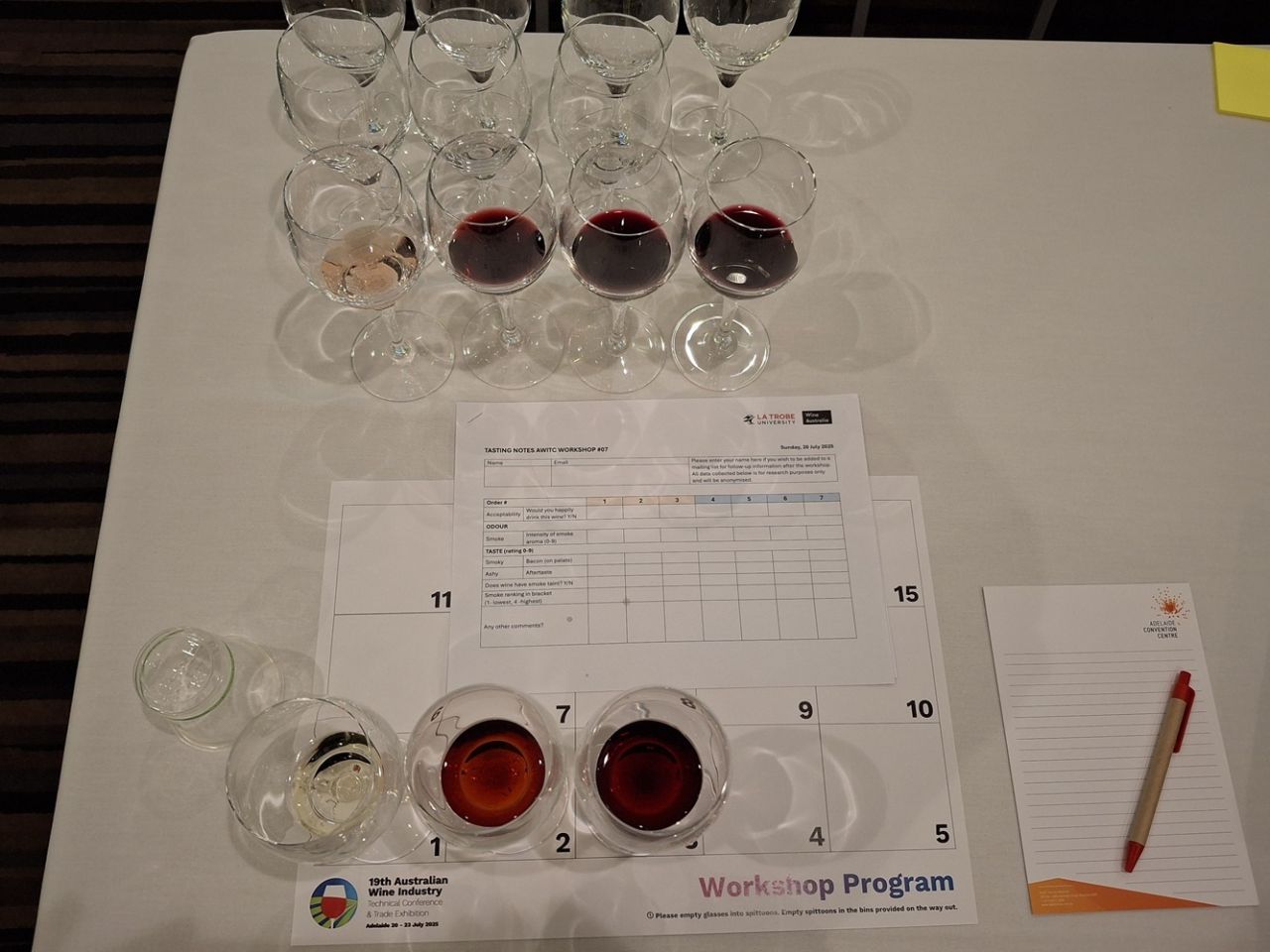
FIGURE 1. The wine tasting, which consisted of smoke-tainted wines. It should be noted that some of the wines were so tainted by smoke that they smelled and tasted like ashtrays.
Several options for smoke taint management were presented in the workshop. These include hand harvesting grapes and keeping them cool. In the winery, whole-bunch pressing, lighter pressing and separate press fractions, carbon fining, dilution by blending and distillation can be applied. Recommendations also included conducting a mini-ferment and grape testing preharvest and at harvest to assess the risk of the wines developing smoke-taint characteristics.
Wine Industry Smoke Detection (WISD), also known as “Wizards”, was developed to predict the impact of smoke on grapevines and the risk of wine taint. La Trobe University, Wine Australia, the wine industry, State and Federal governments partnered with an Australian tech company, Goanna Ag, to develop this real time system (Figure 2). It includes calibrated smoke sensors in a multifunctional logger that communicates data to a central server which links the level of smoke at individual sites to the potential taint compounds in grapes and wine. The system enables growers to make early, rapid and more strategic decisions on the management of smoke taint and is based on a traffic-light risk rating system (Figure 3). In the red zone, wine would be tainted, with no recovery of contaminated grapes possible. In the yellow zone, mitigation treatments such as light press and making rosé from red grapes would be required. In the green zone, no intervention is necessary, and the grapes can be picked and made into wine. The WISDs have accurately predicted smoke taint risk in over 120 vineyards and have given the Australian industry a vital tool for managing smoke taint. Therefore, more grapes can be made into wine despite smoke exposure.
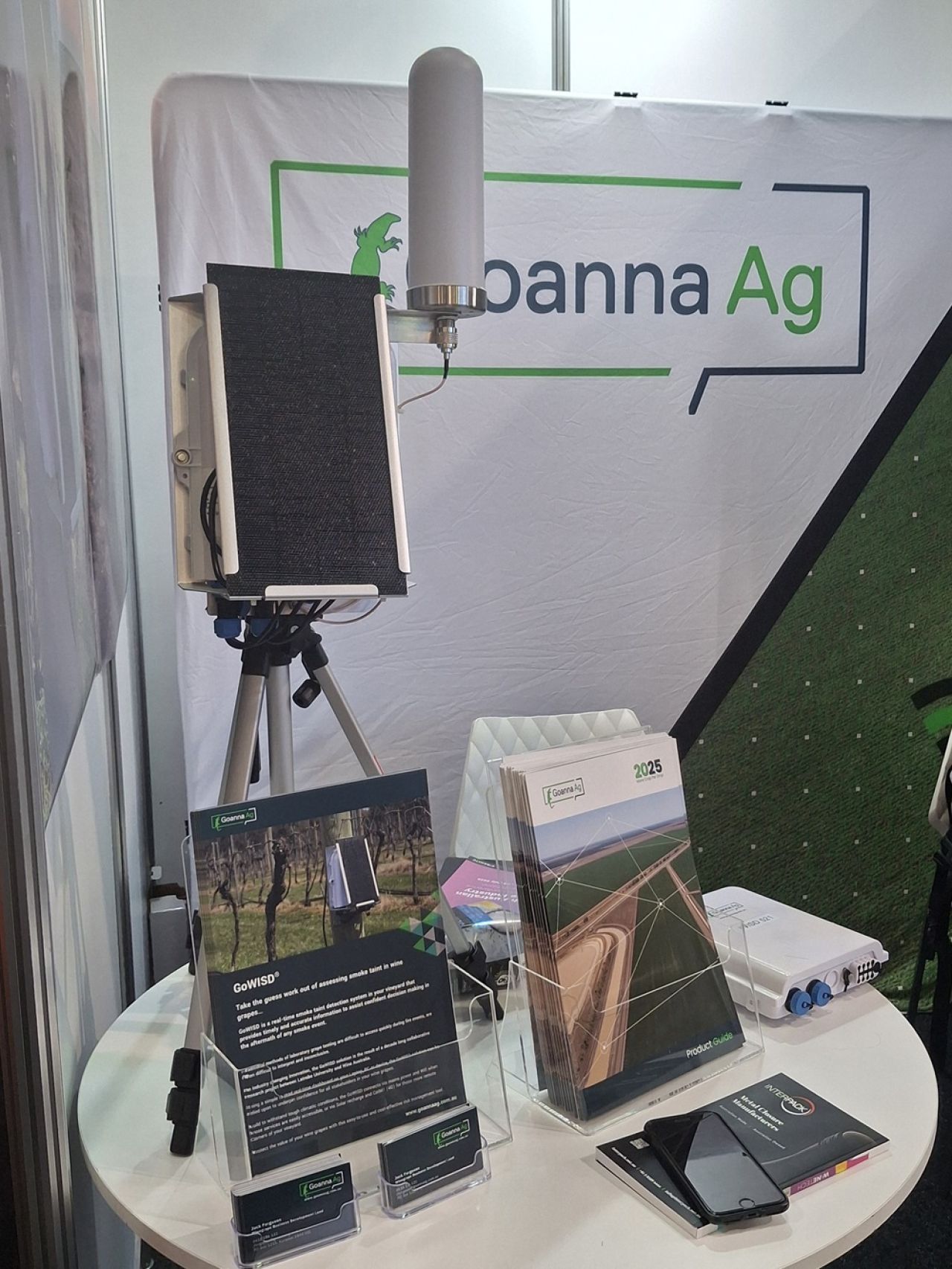
FIGURE 2. An example of the smoke-taint WISD (Wine Industry Smoke Detection, “Wizard”) was exhibited at the Winetech Exhibition.
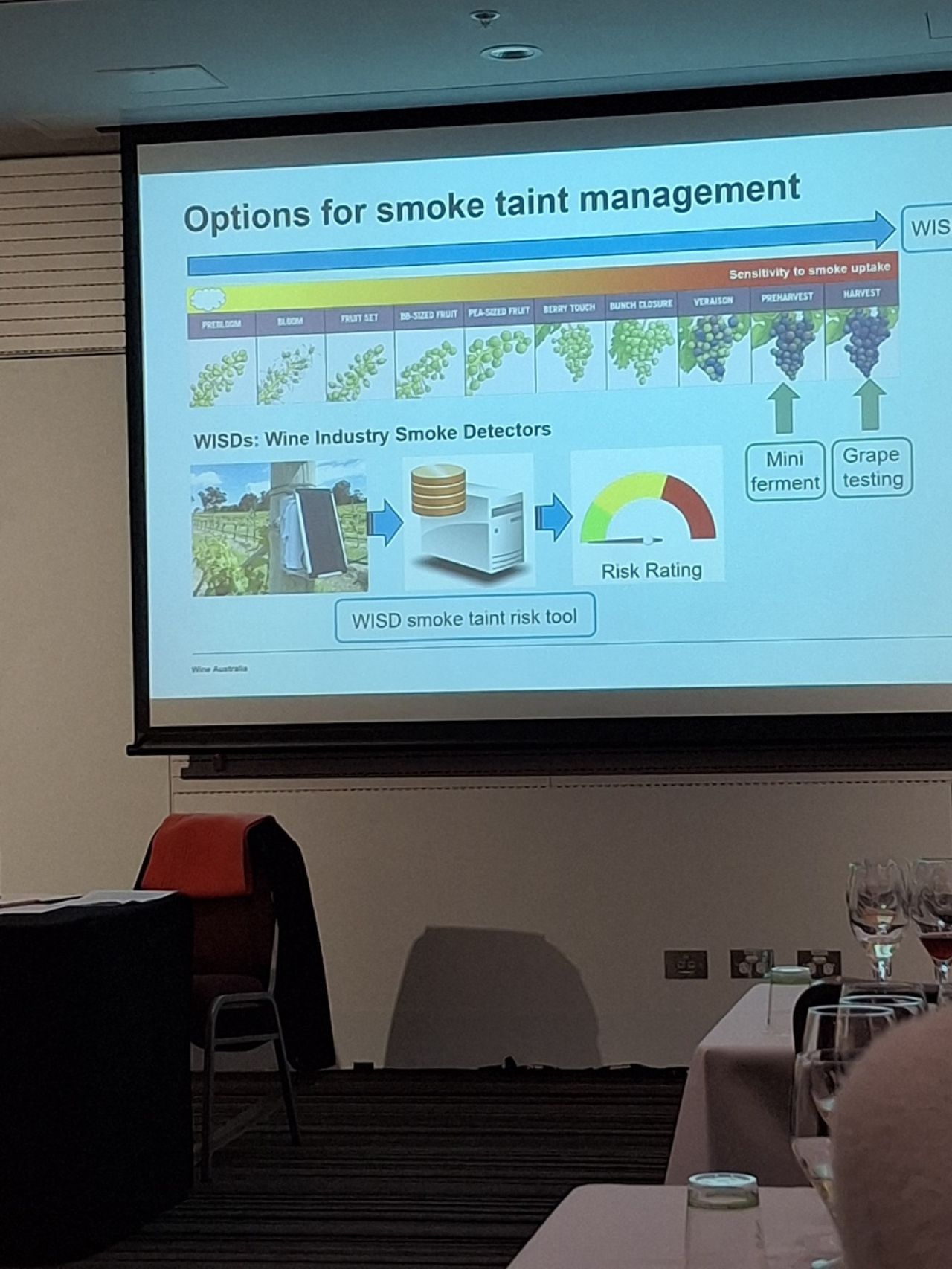
FIGURE 3. The traffic light system for the WISD can help wine grape growers assess the risk of making wine from smoke-tainted grapes.
Workshop #16: “Smoke taint: Better business decisions based on the latest research” led by Mango Parker (AWRI) and Kerry Wilkinson (University of Adelaide)
The workshop was opened by a reminder of the compounds that give smoky aromas and aftertastes to wine. In this regard, guaiacol plus cresols give the smoky aroma to wines, whereas a smoky aftertaste occurs due to the release of volatile phenols from glycosides in the mouth. Should the smoke from a fire occur pre-véraison, then no smoke taint in wine is expected.
There is a strong focus on smoke taint research at the University of Adelaide, Adelaide, which has three aims, namely (i) knowledge on factors affecting taint, smoke composition and mode of entry, (ii) analytics looking at rapid screening methods, hyperspectral sensing and remote sensing, and (iii) amelioration looking at protective covering of grapes, juice and wine remediation. Research findings on some of the projects at the University of Adelaide were presented. Activated carbon fabric (ACF) bags covering bunches prevented smoke contamination of the grapes and reduced glucosinolates, but their use was impractical. The ACF bags were on the bunches for five weeks, and all the leaves in the fruit zone senesced. Interestingly, research on distilling smoke-tainted wine into spirits showed that wine consumers would likely accept brandies made from smoke-tainted grapes.
Delegates were encouraged to taste the wines (Figure 4) presented in the workshop wine tasting. The first three glasses contained standards for smoke-taint characteristics. Many of the wines presented for tasting were from the University of Adelaide’s smoke-taint research projects.
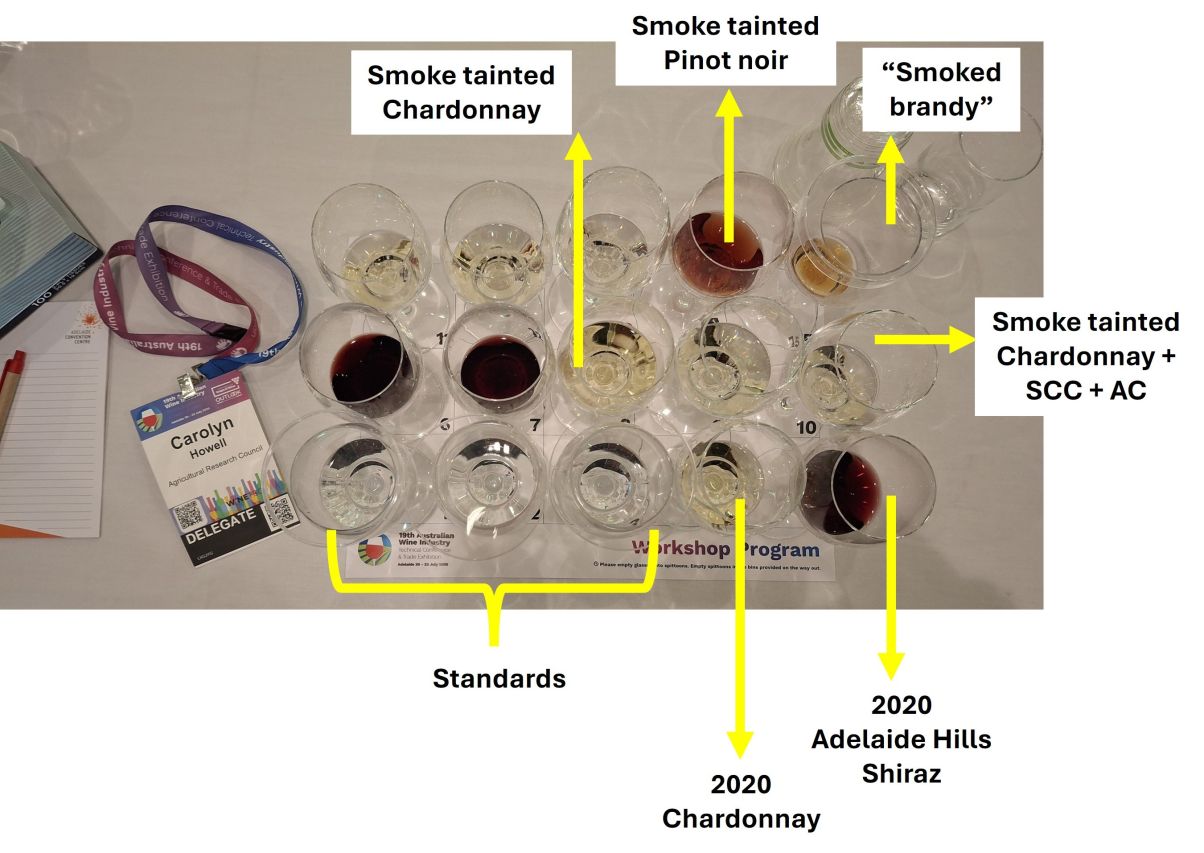
FIGURE 4. The wines, some of which were tainted with smoke and others which were ameliorated, were tasted at the workshop. SCC is spinning cone column and AC is activated carbon.
Posters
Several posters were presented on the topic of smoke taint. A highlight of viticultural aspects related to smoke taint was Poster 5, presented by Shi and his co-authors, which examined whether smoke-derived volatile phenols are translocated from leaves to wine in Merlot. In this regard, their results showed that there was no evidence of translocation of the phenols from leaves to fruit (Figure 5). Furthermore, the use of ACF reduced volatile phenols in grapes.
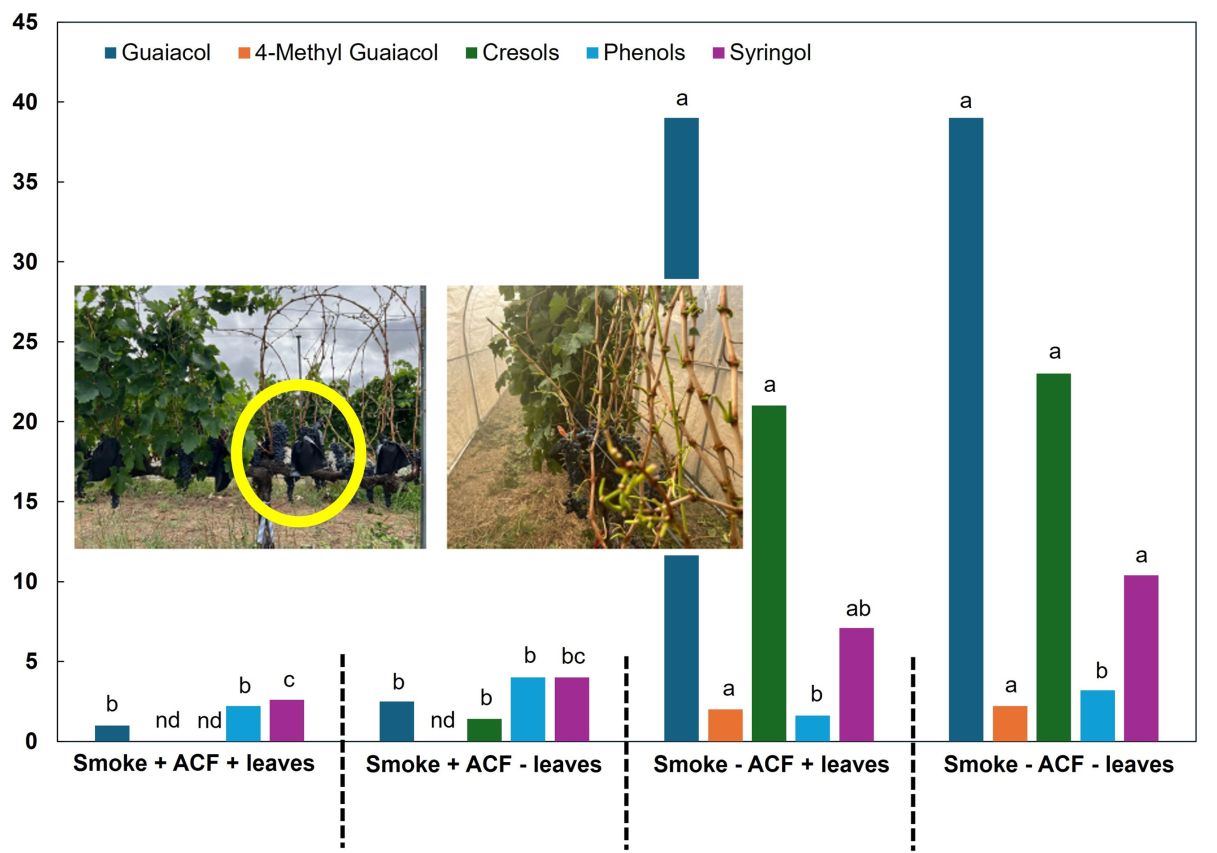
FIGURE 5. The effect of activated carbon fabric (ACF) and the presence of leaves on volatile phenols in Merlot grapes was measured one hour after grapevine smoke exposure. Letters indicate statistical differences (adapted from Poster 5 presented by T. Shi, R. Ristic, J. Culbert, P. Boss, C. Collins & K. Wilkinson at 19th AWITC).
The following posters presented by various experts at the 19th AWITC are available for perusal on the AWITC website:
- Poster #1: “Evaluating hyperspectral sensing for the rapid detection of smoke taint in grapes” by K. Wilkinson, R. Ristic, J. Culbert, A. Matros & U. Seiffert.
- Poster #3: “Evaluating the potential for smoke from prescribed burning to taint grapes” by S. Yan, R. Muhlack, D. Jeffrey, J. Culbert, R. Ristic, M. Parker, K. Abley & K. Wilkinson.
- Poster #5: “Can smoke-derived volatile phenols be translocated from leaves to grapes?” by T. Shi, R. Ristic, J. Culbert, P. Boss, C. Collins & K. Wilkinson.
- Poster #7: “Wine industry smoke detectors (WISDs) predict smoke taint risk for the Australian wine industry during bushfires” by I. Porter, P. Zhang, D. Riches, S. Mattner, J. Honeyman & J. Ferguson.
- Poster #69: “Remediation of smoke-tainted wine using molecularly imprinted polymers” by Y. Huo, R. Ristic, S. Barrs, R. Muhlack, M. Harderdach & K. Wilkinson.
- Poster #70: “Remediation of smoke-tainted wine via a combination of spinning cone column distillation and adsorbent treatment” by Y. Mirabelli-Montan, R. Ristic, D. Jeffrey, J. Culbert, M. Parker & K. Wilkinson.
- Poster #83: “How much is too much? From smoke testing in grapes to smoke characters in aged wines” by M. Solomon, E. Bilogrevic, W. Jiang, E. Wilkes, L. Francis, M. Herderich & M. Parker.
- Poster #104: “Thiophenols and smoke taint: Friend or foe? A survey of smoke-affected Australian wines” by J. Culbert, A. Dama, D. Capone, D. Jeffery & K. Wilkinson.
Key lessons learnt
- Smoke taint is an important risk to the Australian wine industry.
- Measuring smoke impact and taint risk is difficult.
- The “Wizards” hold promise to manage smoke taint.
- There are several viticultural and wine-making practices that can be applied to reduce smoke taint in wines.
- Consumers would be likely to accept brandies made from smoke-tainted grapes.
Acknowledgements
- Agricultural Research Council (ARC) for the opportunity to attend the 19th AWITC.
- South Africa Wine for funding to attend the 19th AWITC.
For more information, contact Carolyn Howell at [email protected].
Click here to get your copy of WineLand Magazine.

More from
Innovation and insights

Packaging under pressure: What wine businesses should be watching
From lighter bottles to automated packing lines, packaging decisions are becoming increasingly important to the cost and competitiveness of South African wine.
How vine water stress shapes grape and wine quality
This study formed part of the South Africa Wine programme “Grapevine production with limited water resources”, and aimed to evaluate how spatial and temporal water stress affects vine physiology, fruit composition and wine quality.
Drought tolerance of different scion cultivars (Part 4): Vegetative growth and yield
The study aimed to assess grapevine vegetative and yield responses in an almost worst-case scenario, i.e. grapevines growing under dryland conditions in sandy loam soil in the Swartland region.