
Q&A with Jose Luis Aleixandre-Tudo
· 3 min read
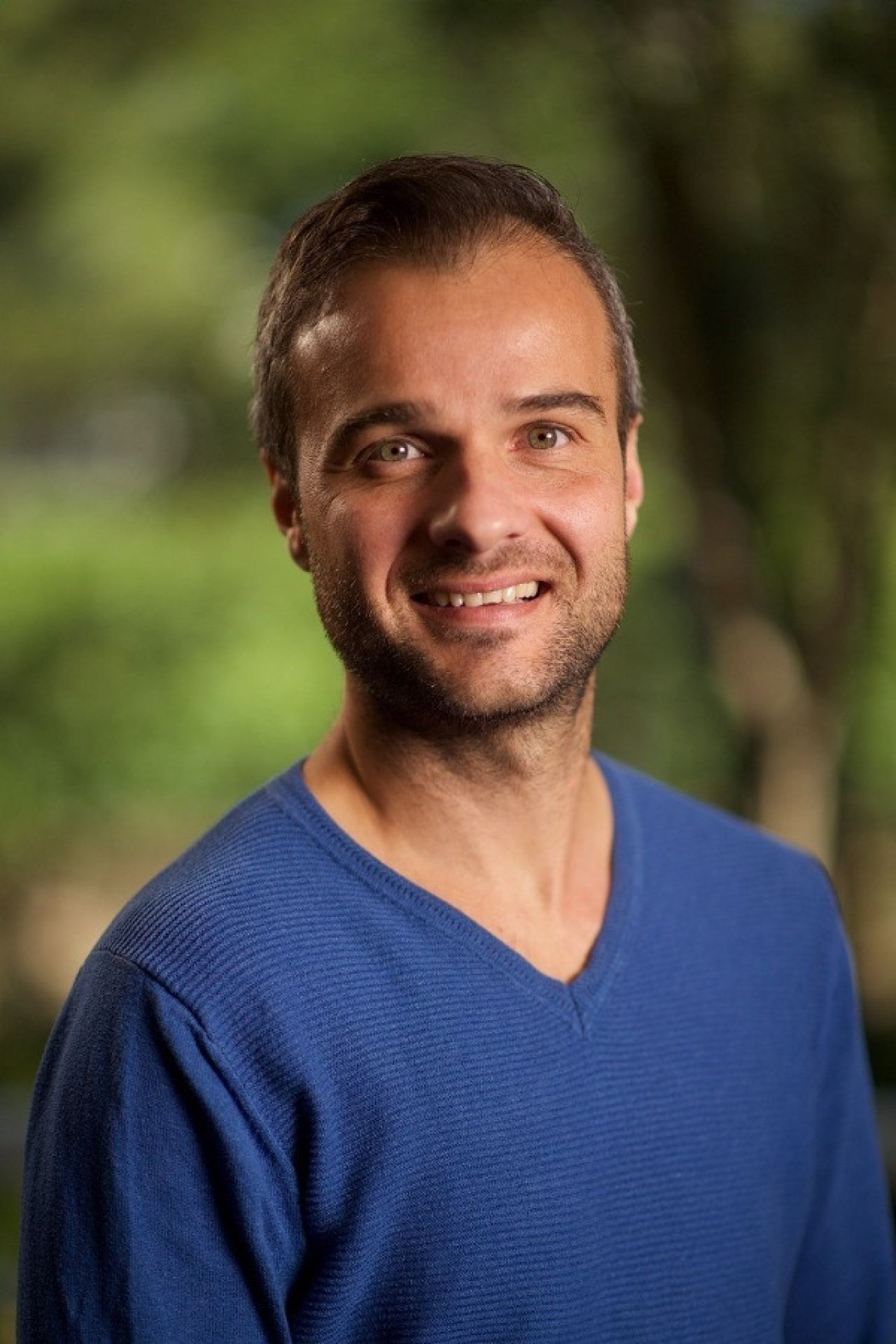
Jose Luis Aleixandre-Tudo is an Associate Professor in the Department of Food Technology at the Universitat Politècnica de València, Spain, and an Extraordinary Senior Lecturer in the Department of Viticulture and Oenology at Stellenbosch University, South Africa. His research focuses on wine chemistry, sensory analysis, spectroscopy and chemometrics, with particular interest in developing analytical and computational approaches to understand and predict wine sensory properties.
What is your current research focus?
My research focusses on the development and application of spectroscopy-based intelligent systems for real-time process monitoring and control during winemaking.
A significant component of this work involves understanding the role of phenolic compounds, with particular emphasis on their extraction kinetics during alcoholic fermentation, the impact of oenological practices on their content and composition, and their transformation during the ageing process.
More recently, I have initiated investigations into the chemosensory correlations using explainable artificial intelligence to enhance insight into sensory–chemical relationships.
How does your research contribute to the South African wine industry?
My research contributes mostly by providing tools and real-time data that can be used to make informed decisions during the winemaking process and optimise wine quality.
What other areas do you think warrant further research?
I believe that predicting sensory attributes from physicochemical data will drive the next revolution in the wine industry. Over the next few years, we will see a growing number of applications providing sensory insights from chemical data. Despite the complexity of wine chemistry, advances in analytical techniques and artificial intelligence will significantly improve our understanding of wine sensory perception.
If you could collaborate with anyone (past or present), who would it be and why?
Charles Spece for his work on multisensory perception and Dr Helene Nieuwoudt, sharing office with her was a great learning experience
What’s your favourite film or TV show?
I particularly enjoy food and travel documentaries. I’m fascinated by the variety of dishes prepared and enjoyed in different parts of the world. The extraordinary range of ingredients, cooking techniques and flavours is, to me, one of the wonders of the world.
Do you have a favourite grape cultivar or wine region?
I’m fascinated by the idea of identifying suitable locations for growing wine grapes in non-traditional wine-producing areas.
My dream is to establish vineyards in unexplored locations and produce wines using local varieties or cultivars as closely connected to the region as possible. Perhaps this could one day become a future project outside academia.
What’s the best advice you’ve ever received?
Regardless of the challenges you face in life or work, always stay true to yourself and remain guided by your principles and values.
Favourite place to unwind after a busy week?
I enjoy early morning trail runs in the mountain. Jonkershoek Valley is my favourite place to run – a 20 km route through the valley certainly makes you stronger, although I find runs of 10-12 km more enjoyable.
If your research were a wine, what would it be and why?
A young Mediterranean Monastrell – fruit(ful) and powerful!

More from
Innovation and insights

Sit. Stay. Find the TCA
How do you teach a dog to sniff out one of wine’s most notorious contaminants? WineLand meets the researcher and volunteer handlers behind a Stellenbosch University study and discovers what it takes to train a four-legged wine fault detective.
AI and automation lead the way at SIMEI 2026
From smarter fermentation to water-saving bottling systems, this year’s SIMEI Innovation Challenge winners offer a glimpse of where winery technology is heading.
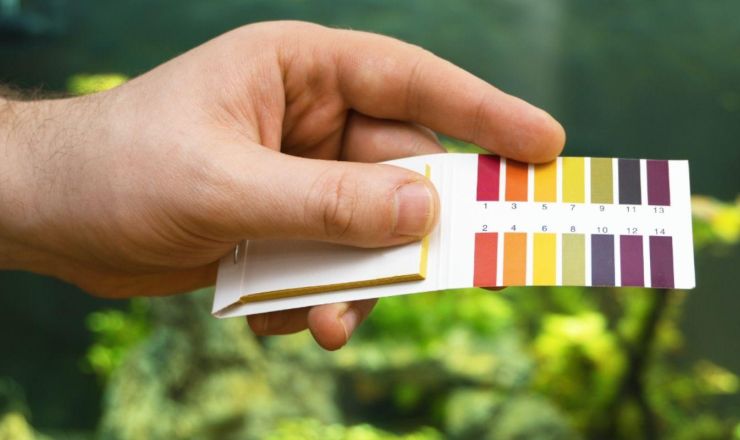
High pH winemaking - risks and solutions
This article examines the implications of elevated pH and reduced acidity in must and wine, and presents LAFFORT® solutions to address these challenges.