
Manipulation of Shiraz flavour
· 8 min read
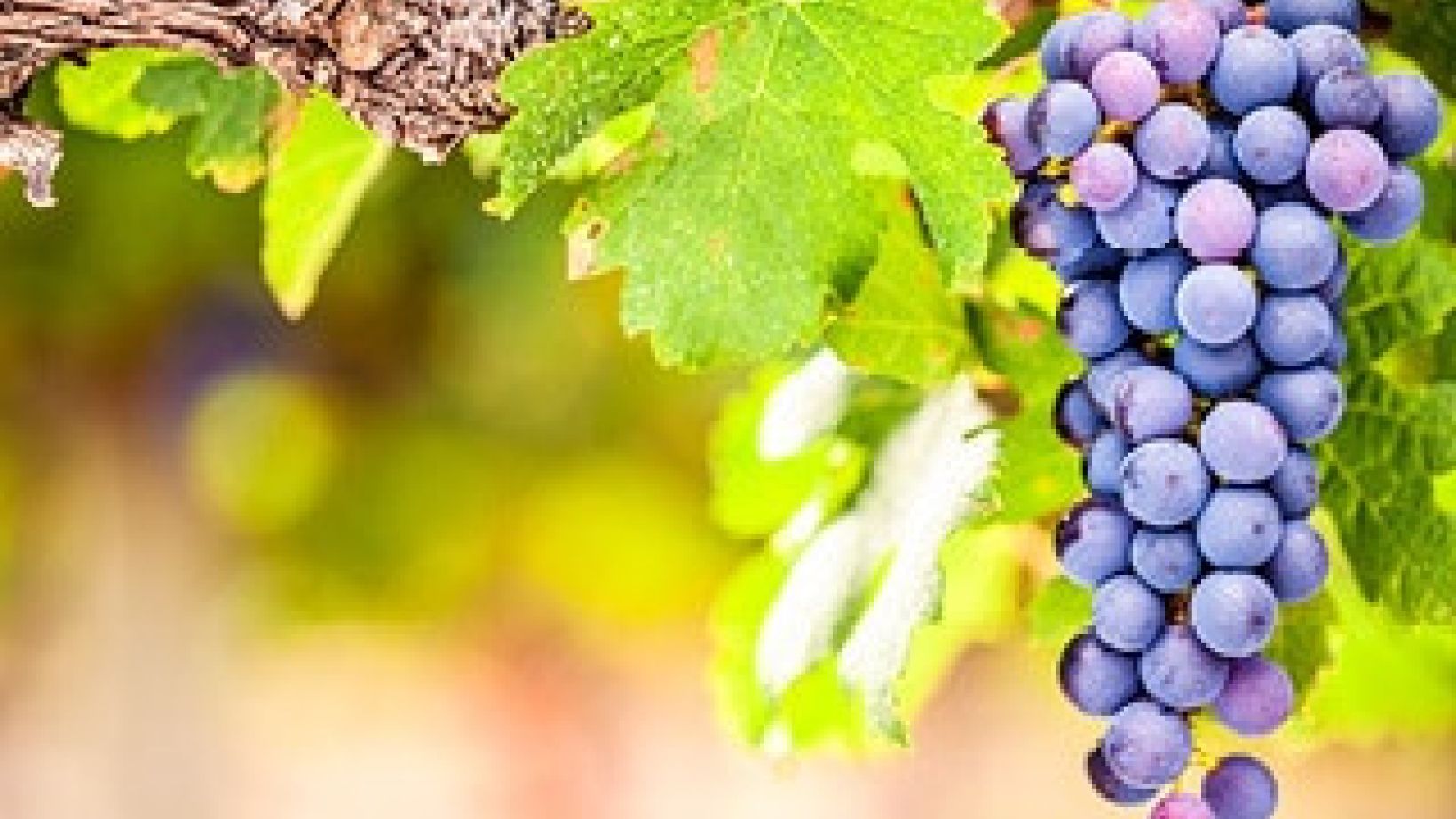
This article is a shortened version of the scientific paper published in Fermentation.1 The aim of this study was to determine the effect Hanseniaspora uvarum in combination with Saccharomyces cerevisiae, lactic acid bacteria and two malolactic fermentation strategies had on Shiraz composition and flavour.
Introduction
The contribution of yeasts to wine composition and quality is well-known.2Saccharomyces yeasts drive alcoholic fermentation by converting the grape sugar to alcohol, carbon dioxide and other compounds that affect wine aroma and taste. Another group of yeasts important to winemaking is the non-Saccharomyces yeasts, also known as “wild yeasts”. This group has different oenological characteristics from S. cerevisiae and can potentially improve wine quality through enhanced wine aroma and complexity. Non-Saccharomyces yeast species, such as Hanseniaspora uvarum (anamorph: Kloeckera apiculata), are frequently found on grapes and in grape must, and are known to dominate the initial phases of spontaneous fermentations.3 Mixed culture fermentations of H. uvarum and S. cerevisiae have been shown to enhance wine aroma profile and improve the quality of Negroamaro wine.4 Most non-Saccharomyces yeasts are poor fermenters and are therefore used in combination with S. cerevisiae to complete the fermentation.
Malolactic fermentation (MLF) is an enzymatic reaction performed by lactic acid bacteria (LAB) and is required for the production of some red wines, full-bodied white and sparkling wines.5 Malolactic fermentation is mainly used to ensure microbiological stability and modify wine flavour. The two main MLF inoculation strategies are co-inoculation (at the start of alcoholic fermentation) and sequential inoculation (after alcoholic fermentation). Selecting compatible yeast and LAB strains are essential for successful alcoholic and MLF, as it has been shown that certain yeast strains negatively affect LAB growth and MLF.6
With the increased use of non-Saccharomyces yeasts in wine production, a need exists for a clearer understanding of the interactions that occur between S. cerevisiae, non-Saccharomyces yeasts and LAB. This study investigated the interactions between H. uvarum, two commercial S. cerevisiae strains, two LAB species (Lactobacillus plantarum and Oenococcus oeni) and three MLF strategies, as well as how these interactions affected Shiraz wine composition and flavour.
Materials and methods
Commercial S. cerevisiae cultures were used for Shiraz wine production. The H. uvarum strain was obtained from the ARC Infruitec-Nietvoorbij microorganism culture collection. Four different yeast treatments were used: S. cerevisiae VIN 13, S. cerevisiae NT 202, H. uvarum in combination with VIN 13, and H. uvarum in combination with NT 202. Each yeast treatment was also used in combination with O. oeni (Viniflora® oenos), or with L. plantarum (Enoferm V22).
Additionally, two MLF strategies were applied:
- Co-inoculation of LAB (hereafter referred to as co-inoculated MLF) and
- sequential inoculation of LAB (hereafter referred to as sequential MLF).
For co-inoculation, LAB were inoculated 24 hours after yeast and for sequential inoculation, LAB were added after alcoholic fermentation. In total, 20 treatments were evaluated in triplicate. Commercial cultures of either O. oeni or L. plantarum, were used to induce MLF. A standardised small-scale (20 L) winemaking protocol was followed at an ambient temperature of 24°C. After completion of MLF, wines were bottled and stored at 15°C. The volatile chemical composition of the wines was analysed and descriptive sensory evaluations of the wines were also done.
Results and discussion
All the Shiraz wines fermented to dryness (residual sugar <4 g/L) after five days. Wines produced with H. uvarum in combination with S. cerevisiae had slightly higher volatile acidity levels than wines produced with S. cerevisiae only, but were below 0.6 g/L. Wines inoculated with VIN 13 took longer to complete MLF than wines produced with NT 202 or H. uvarum in combination with VIN 13 or NT 202. Co-inoculated MLF completed in a shorter period than sequential MLF. Wines inoculated with O. oeni completed MLF in a shorter period than those inoculated with L. plantarum and this trend was observed for both co-inoculated and sequential MLF. We recommend that for fast and successful completion of MLF, a MLF-compatible yeast combination should be used with a commercial O. oeni strain as a co-inoculation.
Our results show that yeast selection, LAB combination and MLF strategy had a significant impact on the volatile compounds and sensory profile of the wines. Yeast treatment had a significant effect on fresh vegetative (herbaceous, grass, Bell’s pepper, mint and tomato leaf) and spicy (cloves, pepper, aniseed, cinnamon, liquorice and nutmeg) aromas, as well as the body and astringency of the wines. Wines produced with the selected LAB strains and MLF strategies were significantly different in terms of berry, fruity, sweet associated and spicy aromas, as well as acidity and body.
Sequential MLF wines scored higher for fresh vegetative aroma than simultaneous MLF and non-MLF wines. Wines produced with H. uvarum in combination with VIN 13 and L. plantarum as a sequential MLF inoculation scored the highest for fresh vegetative aroma. Wines produced with H. uvarum in combination with VIN 13 consistently produced wines with high fresh vegetative aroma scores and this trend was observed for non-MLF and MLF wines. These results indicate that the H. uvarum and VIN 13 combination can be used to enhance the fresh vegetative character in wines where this attribute is lacking, or to produce a wine style with a predominant fresh vegetative flavour profile. On the other hand, if a wine with less fresh vegetative character is preferred, the use of a yeast strain such as NT 202 is recommended.
Overall, sequential MLF wines scored higher for spicy aroma than simultaneous MLF and non-MLF wines. Of all the various treatments, sequential MLF wines produced with VIN 13 in combination with H. uvarum and L. plantarum scored the highest for spicy aroma. Differences in spicy aroma scores were found for wines produced with the two LAB strains and were affected by yeast combination, as well as the MLF strategy. Therefore, to increase the spicy flavour in wine, MLF should be induced as a sequential inoculation.
Wines produced with VIN 13 scored slightly higher for body/mouthfeel than those inoculated with NT 202. Wines produced with L. plantarum scored higher for body/mouthfeel than those inoculated with O. oeni. It is noteworthy that the relative scores for body varied according to the yeast combination used. Winemakers can manipulate the body/mouthfeel of wines by applying different yeast and LAB combinations. To increase the body of a wine, H. uvarum in combination with S. cerevisiae could be used and MLF should be induced using L. plantarum.
Conclusions
Wines produced with the selected yeasts, LAB strains and MLF strategies differed in terms of fermentation kinetics, chemical composition and sensory properties. H. uvarum had a positive effect on the growth of inoculated and naturally occurring LAB, which resulted in shorter MLF periods for wines. The flavour profile of Shiraz wines can be enhanced by using different yeasts, LAB strains and MLF strategies. H. uvarum in combination with MLF, as a sequential inoculation, can be used to increase the vegetative character of Shiraz wines. The spicy aroma of a Shiraz wine can be increased by inducing MLF, as a sequential inoculation, and a fuller body or mouthfeel can be achieved by using H. uvarum in combination with S. cerevisiae to conduct the alcoholic fermentation and a commercial L. plantarum culture to induce MLF.
Abstract
This study investigated the interactions between different yeasts, LAB species and MLF strategies, as well as how these interactions affected Shiraz wine composition and flavour. Standard oenological parameters, volatile chemical composition and sensory attributes were investigated. Wines inoculated with O. oeni completed MLF in a shorter period than those inoculated with L. plantarum. Yeast selection, LAB combination and MLF strategy had a significant impact on the volatile composition and sensory profiles of wines. Wines that underwent MLF, as a sequential inoculation, scored higher for spicy aroma than simultaneous MLF and non-MLF wines. Wines inoculated with L. plantarum scored higher for body/mouthfeel than those inoculated with O. oeni. Winemakers can manipulate the flavour profile and body of wines by applying different yeast and LAB combinations.
Acknowledgements
The authors thank the ARC, Winetech and the National Research Foundation of South Africa (THRIP programme; Grant numbers UID 71526 and 90103) for funding. Mses P. Adonis, C. du Plessis, D. Blaauw, R. Louw and L. Isaacs, as well as Messrs H. Jumat, M. Mewa Ngongang and J. Boonzaier, are thanked for technical assistance. The opinions, findings and conclusions expressed in this publication are those of the authors. The National Research Foundation accepts no liability in this regard.
References
- Du Plessis, H., Du Toit, M., Nieuwoudt, H., Van der Rijst, M., Hoff, J. & Jolly, N., 2019. Modulation of wine flavor using Hanseniaspora uvarum in combination with different Saccharomyces cerevisiae, lactic acid bacteria strains and malolactic fermentation strategies. Fermentation 5(3), 64. Doi: 10.3390/fermentation5030064.
- Jolly, N.P., Varela, C. & Pretorius, I.S., 2014. Not your ordinary yeast: Non-Saccharomyces yeasts in wine production uncovered. FEMS Yeast Research 14, 215 - 237.
- Capozzi, V., Garofalo, C., Chiriatti, M.A., Grieco, F. & Spano, G., 2015. Microbial terroir and food innovation: The case of yeast biodiversity in wine. Microbiological Research 181, 75 - 83.
- Tristezza, M., Tufariello, M., Capozzi, V., Spano, G., Mita, G. & Grieco, F., 2016. The oenological potential of Hanseniaspora uvarum in simultaneous and sequential co-fermentation with Saccharomyces cerevisiae for industrial wine production. Frontiers in Microbiology 7, 1 - 14.
- Bartowsky, E.J., Costello, P.J. & Chambers, P.J., 2015. Emerging trends in the application of malolactic fermentation. Australian Journal of Grape and Wine Research 21, 663 - 669.
- Alexandre, H., Costello, P.J., Remize, F., Guzzo, J. & Guilloux-Benatier, M., 2004. Saccharomyces cerevisiae-Oenococcus oeni interactions in wine: Current knowledge and perspectives. International Journal of Food Microbiology 93, 141 - 154.
– For more information, contact Heinrich du Plessis at [email protected].

More from
Innovation and insights

Packaging under pressure: What wine businesses should be watching
From lighter bottles to automated packing lines, packaging decisions are becoming increasingly important to the cost and competitiveness of South African wine.
How vine water stress shapes grape and wine quality
This study formed part of the South Africa Wine programme “Grapevine production with limited water resources”, and aimed to evaluate how spatial and temporal water stress affects vine physiology, fruit composition and wine quality.
Drought tolerance of different scion cultivars (Part 4): Vegetative growth and yield
The study aimed to assess grapevine vegetative and yield responses in an almost worst-case scenario, i.e. grapevines growing under dryland conditions in sandy loam soil in the Swartland region.