
Ring nematode problem not easily solved
· 3 min read
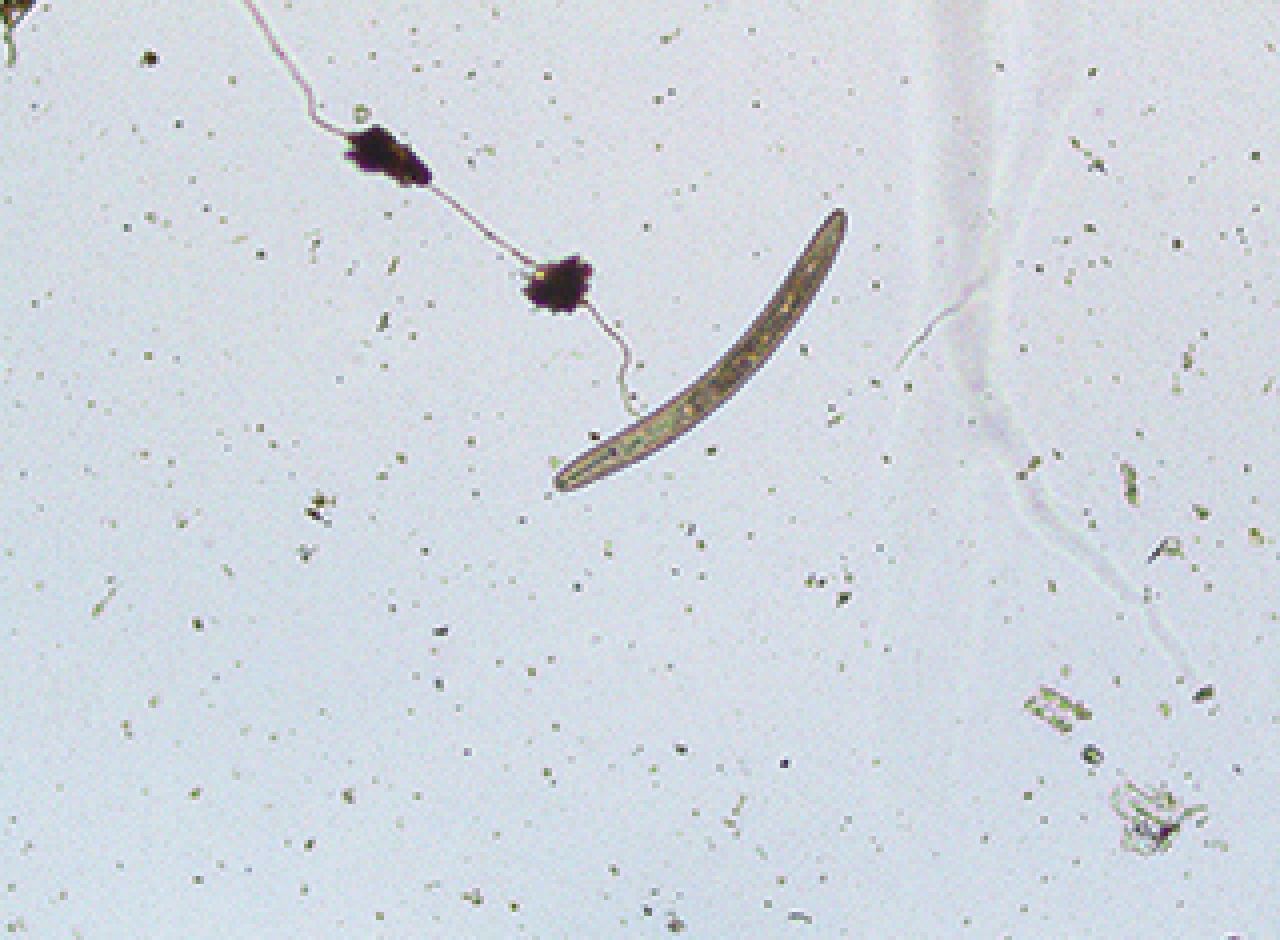
The ring nematode, Criconemoidesxenoplax, is one of the most common and abundant nematode species in vineyards throughout the Western Cape. Feeding by ring nematodes result in the destruction of grapevine root tissue and a stunted root system with relatively few live feeder roots. Affected grapevines tend to sprout more side roots, which are usually short and discoloured.
The increased use of the root-knot nematode (Meloidogyne spp.) resistant Ramsey and Richter 99 rootstocks contributed to the increased abundance of ring nematodes in vineyards, as these rootstocks are very good hosts for ring nematodes. Research conducted at ARC Infruitec-Nietvoorbij showed that ring nematodes can occur in any soil type, irrespective of the clay content. This dispels the commonly held belief that ring nematode is not a problem in soils with a high clay content.
Further studies indicated that the presence of roots, and not soil depth, determines the vertical distribution of ring nematodes and that they occurred in high numbers throughout the year, with no seasonal fluctuations. Although almost 50% of the ring nematode population present in a plant’s root zone occurs in the top 40 cm soil, damagingly high levels can occur to at least 1 m deep, posing a serious problem for effective nematode control. As it is extremely difficult, if not impossible, to get any of the current nematicides or pre-plant fumigants to depths below about 30 - 40 cm, the nematodes at the deeper levels are not controlled. These nematodes below the effective fumigation zone provide a source for re-infecting replanted vineyards. They will migrate to the shallower depths when a suitable food source becomes available and cause damage when the grapevine is still young and very vulnerable to root damage.
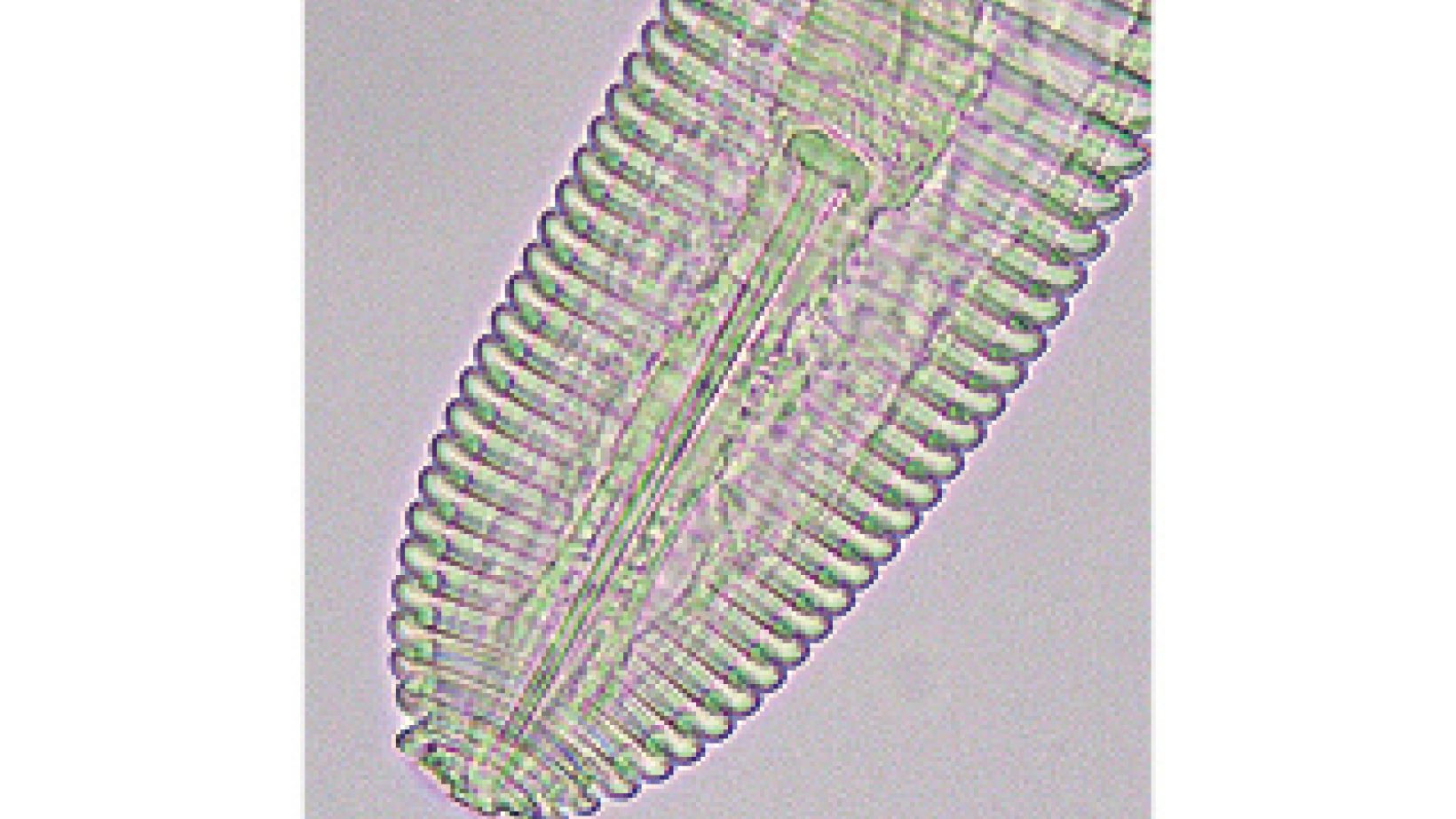
FIGURE 2. Head region of the ring nematode, Criconemoides xenoplax, showing the well-developed stylet.
Ring nematodes have also been found in undisturbed fynbos in the Western Cape, indicating that this nematode is probably endemic to the area, and therefore completely adapted to South African conditions. This may explain why it is such a serious nematode pest in South Africa.
Since it is clear that the currently registered nematicides are not very effective in reducing the numbers of ring nematodes in vineyards, we need to find alternative measures to mitigate the effect of these nematodes. Research aimed at identifying resistant and/or tolerant rootstocks are already underway and future research should include the identification of practices that will preserve or enhance the natural enemies of these nematodes.
Summary
Ring nematodes can occur up to 1 m deep in any soil type, irrespective of the clay content. They also occur in high numbers throughout the year, with no seasonal fluctuations. They are extremely difficult to control with conventional chemicals and fumigants, which rarely penetrate deeper than 30 - 40 cm, and therefore pose a real threat to replanted vineyards. To enable the successful management of these nematodes, we need to concentrate our efforts on the breeding of resistant or tolerant rootstocks and the identification of practices that will preserve or enhance their natural enemies.
– For more information, contact Rinus Knoetze at [email protected].

More from
Innovation and insights
Safeguarding agricultural biosecurity through insect diagnostics
Insect diagnostics are managed through the Plant Disease Clinic (PDC), based at Stellenbosch University, and have emerged as a critical advisory service for South African agriculture. This article outlines the scope of samples analysed by the PDC, the services it provides and the role it will play…

Packaging under pressure: What wine businesses should be watching
From lighter bottles to automated packing lines, packaging decisions are becoming increasingly important to the cost and competitiveness of South African wine.
How vine water stress shapes grape and wine quality
This study formed part of the South Africa Wine programme “Grapevine production with limited water resources”, and aimed to evaluate how spatial and temporal water stress affects vine physiology, fruit composition and wine quality.