
Stellenbosch embraces climate change commitments by signing Porto Protocol
· 3 min read

Reaffirming the importance of sustainable environmental practices, Stellenbosch Wine Routes today signed the Porto Protocol, committing the wine route in South Africa to an accelerated contribution towards climate change mitigation.
Launched by former US President Barack Obama in 2018, the Porto Protocol is a global sustainable initiative signed by companies across numerous industries. These have pledged to play their part in employing and sharing sustainable environmental practices to combat climate change.
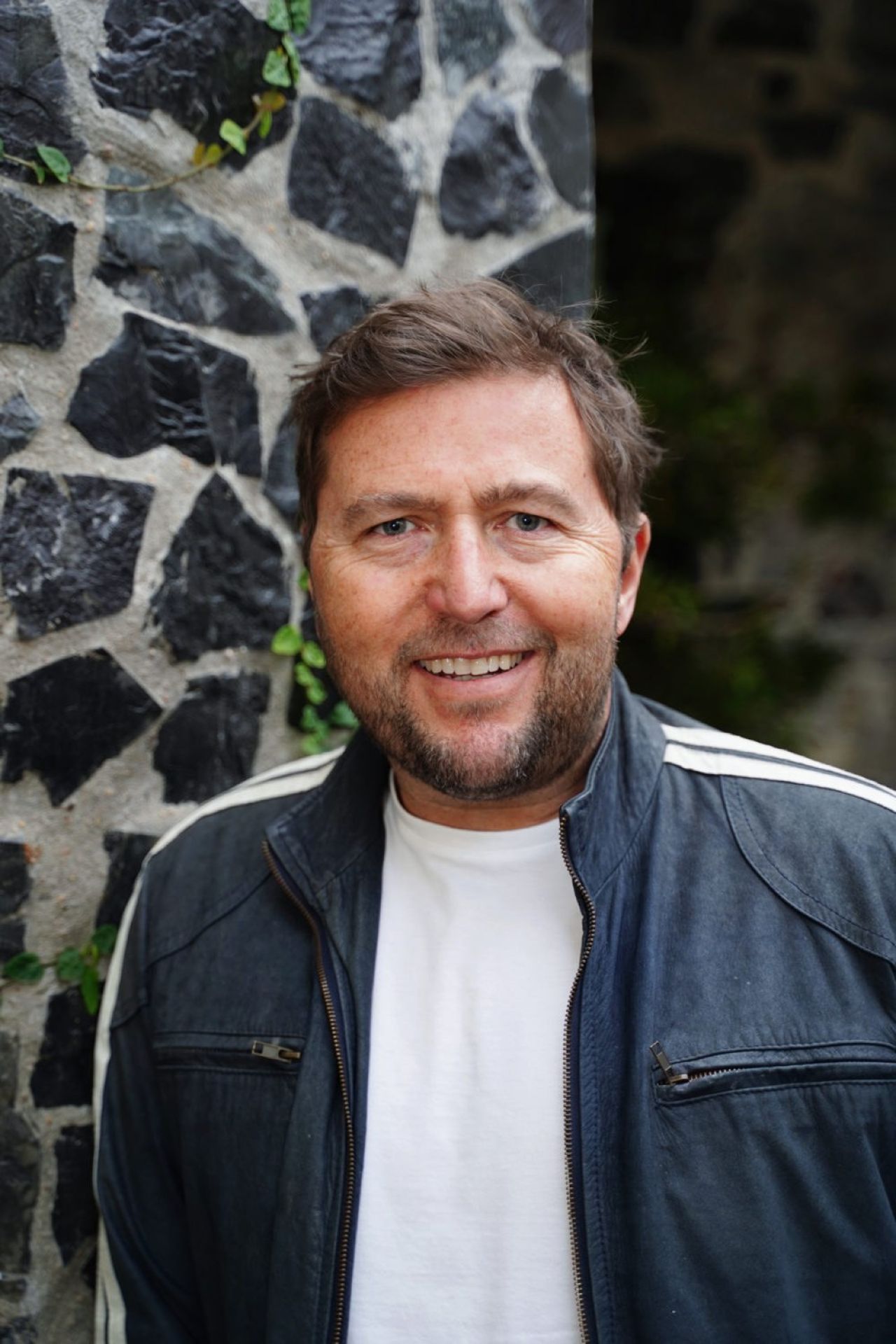
“Stellenbosch Wine Routes become the first Southern Hemisphere wine region to join the ranks of global signatories of the Porto Protocol, all of which have committed to accelerating their focus and efforts, guiding their activity by good environmental practice principles and executing projects oriented towards the sustainability of the region,” says Mike Ratcliffe, chairman of Stellenbosch Wine Routes.
“As the leading wine tourism destination in South Africa, Stellenbosch recognises the leadership role it must play on climate change issues. We are committed as the entire wine and tourism ecosystem of Stellenbosch to lead the way in environmental protection and to foster good environmental principles among all our stakeholders,” says Ratcliffe.
The recent launch of Visit Stellenbosch, a new Destination Marketing Organisation (DMO), unifies all Stellenbosch tourism stakeholders under one umbrella with the objective of growing the tourism and experience economy in Stellenbosch for the benefit of all communities.
“Central to that mandate is ensuring that Stellenbosch is known as a place where people come to discover, learn, create, start up, launch and bring into being. This is a destination that pioneers innovative and scalable high-impact solutions to tackle pressing, social, economic and environmental issues. We have a responsibility to confront the biggest issues,” adds Ratcliffe.
Among the initiatives already being employed by members of Stellenbosch Wine Routes aimed at sustainability, biodiversity and conservation include the Integrated Production of Wine, a voluntary sustainability scheme established by the South African wine industry in 1998, WWF Conservation Champions and the establishment of three large conservancies in Stellenbosch, including the Greater Simonsberg Conservancy, the Bottelary Hills Conservancy and the Banhoek Conservancy.
CEO of Taylor’s Port and Chairman of the Porto Protocol, Adrian Bridge, highlights the wine industry’s role in leading from the front to mitigate the harmful impact of climate change.
“The wine industry suffers directly from climate change and is therefore well placed to lead the movement aimed at finding solutions towards a better environment. We are all responsible and we cannot afford to waste any more time. We need to act now,” says Bridge.

More from
Innovation and insights
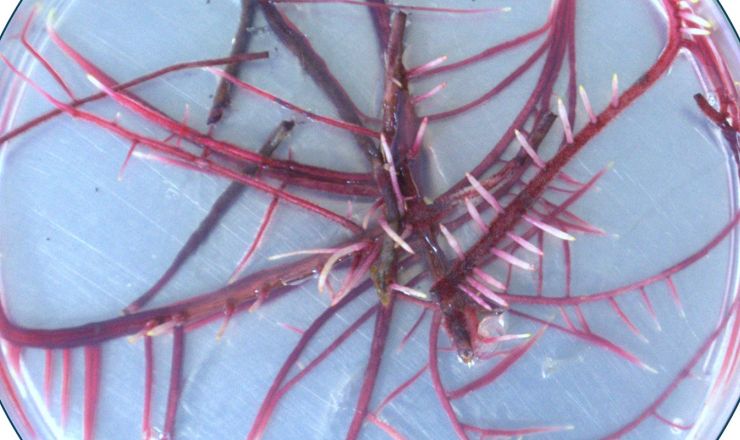
Hairy roots - a biotechnological tool for grapevine improvement
Hairy roots arise when the phytopathogenic bacterium, Rhizobium rhizogenes inserts DNA into a wounded plant’s genome, triggering the formation of rapidly growing root masses. The rapid growth and relatively fast establishment of hairy roots led to their use in laboratories, where they are used to…

To swirl or not to swirl? - that is the question... (Part 2)
This study investigated the sensory suppression effects of H2S on tropical fruit characters and evaluated whether the perceived improvement following swirling is a result of chemical oxidation or physical volatilisation.
Q&A with Jose Luis Aleixandre-Tudo
Jose Luis Aleixandre-Tudo is an Associate Professor in the Department of Food Technology at the Universitat Politècnica de València, Spain, and an Extraordinary Senior Lecturer in the Department of Viticulture and Oenology at Stellenbosch University, South Africa.