
Understanding the "terroir effect" (Part 2)
· 7 min read
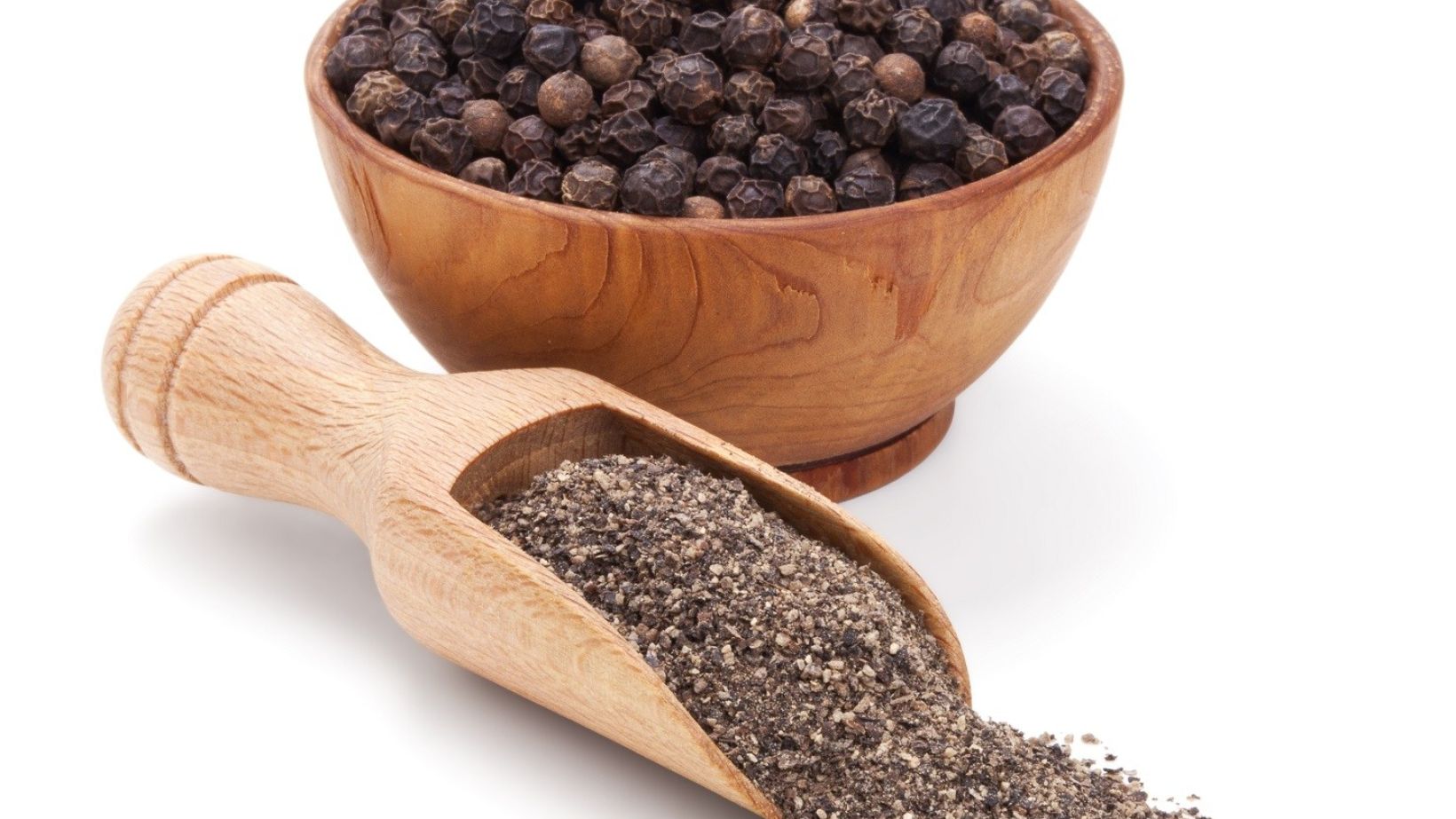
The taste of any given wine, regardless of cultivar, is inextricably linked to its origin. Environmental factors, such as soil and climate, influence organoleptic characters and by deconstructing measurable soil and climate parameters, this influence on a wine’s typicity can be better understood.
Part 1 of this expanded three article series introduced the terroir effect on wine aroma and gave an overview of the main families of aromatic grape and wine compounds. Part 2 focuses on specifically how terroir shapes grape and wine aroma expression, and Part 3 gives insights on the prediction and management of aroma typicity relating to terroir.
Introduction
Much is known about the role of climate and soil on wine typicity and by measuring air temperature, radiation, rainfall, soil water holding capacity, and vine nitrogen status, the link with each other becomes clearer. Comprehensive databases are available on all of the relevant parameters, and these can be spatialised and quantified at vineyard scale. The winemaker’s role in shaping a wine’s future by reacting to berry composition is of vital importance. Of equal importance is the viticulturist, who also has a major influence on the terroir effect by suitably reacting to the above-mentioned soil and climate conditions.
The effect of major terroir factors and grape and wine aroma
Due to the large amount of information, the terroir effect on aroma cannot be fully discussed – the reader is encouraged to study the “Recent advancements in understanding the terroir effect on aromas in grapes and wines” (OENO one 4, 985 - 1006) article for more information.
Air temperature
Green and peppery flavours
Methoxypyrazines, IBMP in particular, decrease in grapes undergoing maturation with an increase in temperature. An increase in IBMP is seen in higher altitude vineyards, attributed to lower temperatures. Cooler vintages result in a marked increase in (-)-rotundone levels, a peppery flavour in Syrah.
Volatile thiols and C13-norisoprenoids
It seems that 4MMP decreases under high temperatures in wines from Sauvignon blanc and it has been shown that cool climate Riesling (Germany) contained less TDN than warm climate Riesling (South Africa).
Dried fruit aromas
There is a clear effect of higher temperature and the development of dried fruit aromas in grapes. Must and wine samples marked by this aroma has higher levels of γ-nonalactone, massoia lactone, furaneol or MND (3-methyl-2,4-nonanedione – dried fruit aromas such as dried prune).
Other aroma compounds
Particularly high levels of DMS (dimethyl sulphide – enhances blackcurrant aromas at low concentrations, truffle at medium concentrations, and asparagus at high concentrations) have been found in Bordeaux wines from the very warm 2003 vintage. Aromatic heterocycles also seem to be higher in aged wines from warm vintages. Glutathione, a non-aromatic preserving agent for white and rosé wine aromas, tend to decrease in plants under high temperatures.
Radiation
Green and peppery flavours
Lower levels of IBMP have been observed in grapes under high radiation. It was shown that the decreasing effect on IBMP levels in grapes happens before véraison. C6 compounds are lower in sun-exposed bunches compared to shaded bunches, while there seems to be a stimulating effect of light on (-)-rotundone. The latter compound can be enhanced by defoliation in cool-climate vineyards.
Other monoterpenes
Exposure to full sunlight was shown to increase terpenol content in Traminette, while exposure to light increased monoterpenes in Riesling grape berries. Increases in total substituted esters and linalool were also seen, but the effect of temperature interference remains an important consideration.
Volatile thiols and C13-norisoprenoids
Both 3MH and 3MHA increase with exposure to sunlight, with only the former compound also increasing with UV-B. A study also showed that TDN levels increased in Riesling wine made from sun-exposed grapes. The influence of temperature remains an important factor. Yet another study demonstrated that sun exposure of grapes increased TDN levels in young wines, but after 22 months of ageing, this effect disappeared.
Dried fruit aromas
A study showed that furaneol, homofuraneol and γ-nonalactone increased post-harvest due to light exposure, while MND and (Z)-1,5-octadien-3-one did not.
Other aroma compounds
There is an association between high UV-B levels and an increase in AAP (2-aminoacetophenon – paint-like, mothball and medicinal aromas) in white wine. High radiation decreases antioxidants such as glutathione and ascorbate (these are “aroma protectants”) in plants, while total phenolics increase with light exposure of grapes.
Vine nitrogen status
Green and peppery flavours
While numerous studies have shown an increase in IBMP in wine produced from vines with high nitrogen status, there is no direct affect. The increased vigour in vines with higher N offer more bunch shading, which leads to lower grape temperature and exposure to sunlight. The effect of N status on (-)-rotundone is expected to be the same as above.
Other monoterpenes
It is reported that terpenes decrease with nitrogen fertilisation.
Volatile thiols and C13-norisoprenoids
Many studies have shown an increase in volatile thiols in vines that are naturally high in nitrogen or due to fertilisation. It was also shown that in Pinot noir low nitrogen status resulted in wine with low β-damascenone content. In Riesling, TDN was shown to decrease with high nitrogen fertilisation.
Substituted esters and qualitative fruit aromas
A study on Tempranillo showed that foliar N fertilisation increased the levels of ethyl hexanoate and ethyl octanoate, while decreasing the level of isoamyl acetate. Another study showed that higher yeast available N increased concentrations of short- and substituted alkyl fatty acid ethyl esters produced during alcoholic fermentation, and hydroxycarboxylic acid ethyl esters produced during malolactic fermentation.
Other aroma compounds
There is likely a positive link between a higher wine DMS content and increased vine N status, seeing that the formation of pDMS (DMS potential) in berries is related to the abundance of amino acids. Low levels of vine N is associated with higher AAP levels in white wine.
Vine water status
Green and peppery flavours
A water deficit has been shown to decrease IBMP content in wine, with no effect seen on C6 compounds. Vines irrigated just prior to véraison had higher (-)-rotundone levels.
Volatile thiols and C13-norisoprenoids
A mild water deficit increases volatile thiols and a severe water deficit decreases volatile thiols. It was observed that vines under a strong water deficit resulted in wine with lower TDN levels. Tabanon (imparts tobacco and spicy aromas) levels in ageing wine showed an increase with water deficit and a remarkable increase in severely water-stressed vines. Wine produced by microvinification from vines under water stress were shown to have high levels of C13-norisoprenoids.
Dried fruit aromas
A severe water deficit shortly before harvest can cause berry dehydration, with dried fruit aromas appearing after a 10% desiccation threshold has been surpassed.
Other aroma compounds
An increase in pDMS has been reported in water deficit vines, but a separation with higher N (water deficit vines have higher levels of yeast-available amino acids) could not be made. Another study demonstrated that water stress resulted in increased fruity and reduced green flavours in wine. Water stress was also shown to increase AAP in white wine.
Conclusion
Terroir has a multitude of effects on wine aroma and by managing specific vineyard aspects, the viticulturist can strongly influence a wine’s chemical and aromatic composition, and ultimately its style and typicity.
Reference
Van Leeuwen, C., Barbe, J., Darriet, P., Geffroy, O., Gomès, E., Guillaumie, S., Helwi, P., Laboyrie, J., Lytra, G., Le Menn, N., Marchand, S., Picard, M., Pons, A., Schüttler, A. & Thibon, C., 2020. Recent advancements in understanding the terroir effect on aromas in grapes and wines. OENO One 4, 985 - 1006.
– For more information, contact Bernard Mocke at [email protected].

More from
Innovation and insights

Packaging under pressure: What wine businesses should be watching
From lighter bottles to automated packing lines, packaging decisions are becoming increasingly important to the cost and competitiveness of South African wine.
How vine water stress shapes grape and wine quality
This study formed part of the South Africa Wine programme “Grapevine production with limited water resources”, and aimed to evaluate how spatial and temporal water stress affects vine physiology, fruit composition and wine quality.
Drought tolerance of different scion cultivars (Part 4): Vegetative growth and yield
The study aimed to assess grapevine vegetative and yield responses in an almost worst-case scenario, i.e. grapevines growing under dryland conditions in sandy loam soil in the Swartland region.