
Worldwide alcohol (including wine) consumption declines -1.6%
· 3 min read


Beverage alcohol drinkers across the globe consumed a total of 27.6 billion nine-litre cases of alcohol in 2018, but while that number represents a decrease of -1.6% from the year prior, new data from the IWSR forecasts that total alcohol consumption will steadily increase over the next five years, to 28.5 billion cases in 2023.
In terms of retail value, the global market for beverage alcohol in 2018 was just over $1 trillion, a number which the IWSR expects to grow 7% by 2023 as consumers continue to trade up to higher-quality products.
These figures – and more than 1.5m other points of data – are included in the just-released IWSR Drinks Market Analysis Global Database, which also shows:
Wine Volume Declines, but Value Increases
Wine, which had posted strong global growth in 2017, lost -1.6% in volume in 2018 as wine consumption declined in major markets such as China, Italy, France, Germany and Spain (the US market was flat). However, though consumers are drinking less wine, they’re increasingly drinking better – pushing wine value to increase. Globally, the retail value of wine is projected at $224.5bn by 2023, up from $215.8bn in 2018. The one bright spot in wine volume is the sparkling wine category, which is expected to show a five-year CAGR of 1.17% 2018-2023, driven in large part by prosecco.
Low- and No-Alcohol Products on the Rise
Low- and no-alcohol brands are showing significant growth in key markets as consumers increasingly seek better-for-you products, and explore ways to reduce their alcohol intake. Growth of no-alcohol beer is expected at 8.8%, and low-alcohol beer at 2.8%. No-alcohol still wine is forecasted at 13.5%, and low-alcohol still wine at 5.6%. Growth of no-alcohol mixed drinks is predicted at 8.6%. (Above figures are all CAGR 2018-2023.)
Top Ten Performing Global Markets, 2018-2023
A look at the world’s fastest-growing beverage alcohol markets shows an emergence across a variety of developing countries. A combination of growing legal-drinking-age populations and healthy economies is driving some of this growth, which is expected to continue over the next five years.
“Every year our analysts spend months traveling the world to speak with suppliers, wholesalers, retailers, and other beverage alcohol professionals to assess what is happening market by market in this fast-changing business,” says Mark Meek, the IWSR’s CEO. “The raw data we collect is enormously valuable, but equally important is what that data tells us in terms of trends, challenges, and opportunities facing the industry.”
Gin was the Leading Global Growth Category in 2018, and Forecasted to Reach 88m Cases by 2023
The largest gain in global beverage alcohol consumption in 2018 was in the gin category, which posted total growth of 8.3% versus 2017. Pink gin was a key growth driver, helping the category sell more than 72m nine-litre cases globally last year. In the UK alone, gin was up 32.5% in 2018, and the Philippines (the world’s largest gin market) posted growth of 8%, fuelled by a booming cocktail scene and premiumisation of the market. By 2023, the gin category is expected to reach 88.4m cases globally, with particular strong growth in key markets such as the UK, Philippines, South Africa, Brazil, Uganda, Germany, Australia, Italy, Canada and France. Notably, Brazil has emerged as a new hotspot for the category, with volumes there more than doubling last year and forecasted to grow at 27.5% CAGR 2018-2023, as the gin-and-tonic trend has increased in upmarket bars of São Paulo and Rio de Janeiro.

More from
Innovation and insights
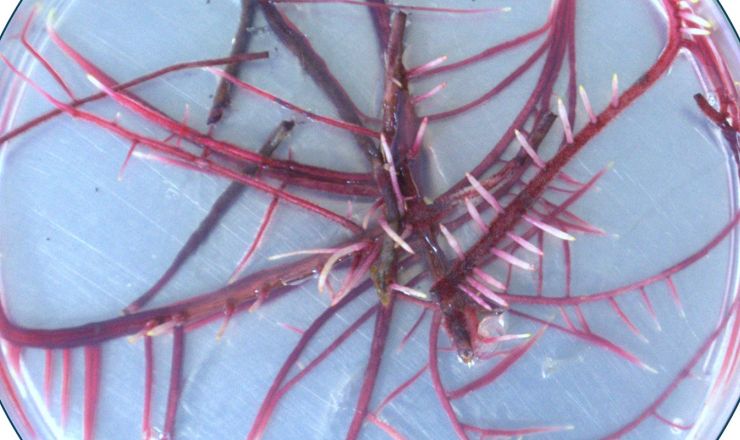
Hairy roots - a biotechnological tool for grapevine improvement
Hairy roots arise when the phytopathogenic bacterium, Rhizobium rhizogenes inserts DNA into a wounded plant’s genome, triggering the formation of rapidly growing root masses. The rapid growth and relatively fast establishment of hairy roots led to their use in laboratories, where they are used to…

To swirl or not to swirl? - that is the question... (Part 2)
This study investigated the sensory suppression effects of H2S on tropical fruit characters and evaluated whether the perceived improvement following swirling is a result of chemical oxidation or physical volatilisation.

Q&A with Jose Luis Aleixandre-Tudo
Jose Luis Aleixandre-Tudo is an Associate Professor in the Department of Food Technology at the Universitat Politècnica de València, Spain, and an Extraordinary Senior Lecturer in the Department of Viticulture and Oenology at Stellenbosch University, South Africa.