
Back to the future

· 4 min read
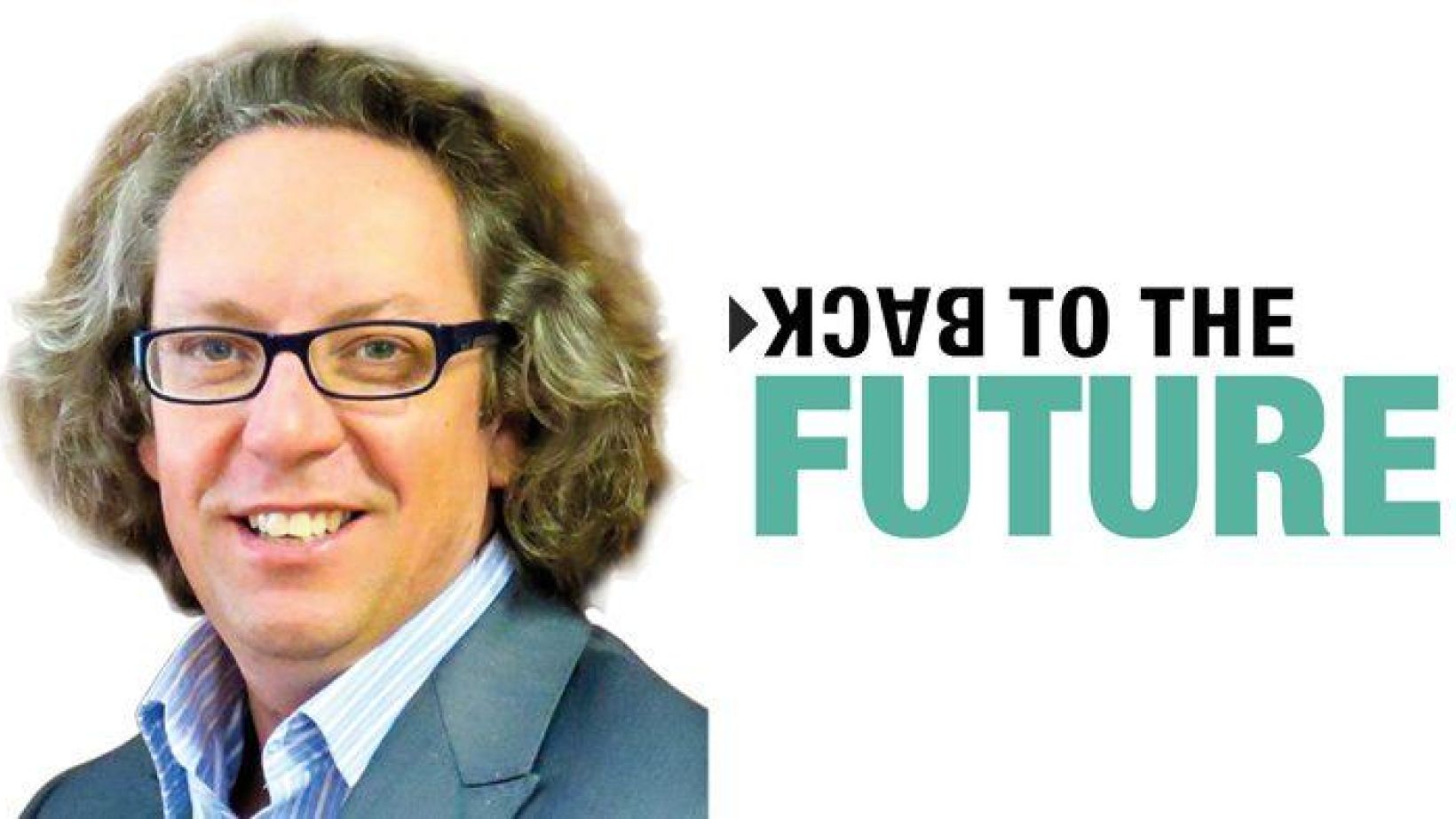

Most bubblies are energetic and lively, which is exactly why Dr Morne Mostert, director of the Institute for Futures Research, loves quaffing champagne, saying it its the spirits and aerates the mind.
It’s funny how life is often full of paradoxes. Take South Africa for instance. It has wealth, yet it has vast inequality. It has leading educational institutions, yet education levels are low. Security is a priority in many homes, yet many people feel unsafe. South Africa produced one of the world’s greatest leaders in the form of Nelson Mandela, yet leadership is one of the country’s greatest challenges.
Now imagine what the future could hold for South Africa. Difficult yes, but oh so exciting and challenging! This is the life of a futurist and one Dr Morne Mostert, director at the Institute for Futures Research at Stellenbosch University, loves. The institute is the only one of its kind on the continent.
“The ecstasy and tyranny of the work of a futurist is that you just don’t know what clients will do next,” Morne says. “They may freeze in fear, have a knee-jerk, emotional reaction or become remarkably innovative as the result of engaging with us. I love that!”
Systems thinking was Morne’s gateway to the broad field of futures. His research involves using higher-order thinking modes for strategic decision-making and learning. He spent several years consulting and was involved in executive education, which took him to several countries, including Saudi Arabia, the UAE, Jordan, Azerbaijan, the UK, France and Uganda.
But what exactly does a futurist do and what does a typical day look like in the life of a futurist?
“We take a transdisciplinary approach and examine early signals through comprehensive scans to give our clients the possible advantage for medium- to long-term decision-making,” Morne says. “The best futurists are able to move beyond the confines of their discipline to offer value to a client.”
In mere mortal terms this means IFR futurists offer their clients a suite of strategic services through publications, interactive events, commissioned research and advisory services that enable senior executives to make better long-term decisions in order to anticipate risk and sense strategic opportunity.
“One of my favourite sayings, usually attributed to musicians Paderewski, Heifetz or Louis Armstrong, is, ‘If I don’t practise for one day, I know it; two days, the critics know it; three days, everybody knows it.’ I think this is true for everyone who wants to stay in tune. We work with senior business people on potentially significant decisions, so we need to stay current in terms of how the future is shifting. That means we need to ensure a delicate balance between time with clients, time for learning and time for shaping our own thinking.”
When Morne is not planning, researching or looking at forecasts, he enjoys having cigars with friends, champagne with his wife, Wea, and watching Big Bang Theory with his eight-year old son, Jonathan. Why champagne? “I love the vibrancy and energy of the bubbles. It lifts the spirit and aerates the mind.”
Are you optimistic about the future? We see optimism as a form of intellectual bias, in other words, optimism may prevent you from seeing risk. Having said that, it’s important to have a positive expectation as this increases the probability of a positive outcome, provided your actions serve your intentions.
What are the most important global trends that affect our future? It’s important to note that trends only reflect current shifts. Shifts in the future will be different. Trends are perceived through your lens on the world, for instance urbanisation in the rest of Africa will have a significant impact on the continent, but many people may consider social networking a bigger trend. Other macro-trends include greater choice for individuals in most societies, with a counter-trend in the growth of the political right, and global interconnectedness, with a counter-trend of unplugging and managing a personal digital diet.
How will these trends impact the wine industry? Urbanisation will create enormous new markets for wine. By 2050 in Africa alone, the urbanised population will equal the entire current population on the continent, which is about 1.2 billion.
And what about the future of tourism? Virtual reality, augmented reality and mixed reality, along with new modes of transport, such as driverless rental cars and robotourist guides, will change the tourism game. Tourism will be more integrated with other elements of regular life, such as education.
What book is lying on your bedside table? The Tao of Pooh and The Te of Piglet by Benjamin Hoff.

More from
Markets, business and trade

A certificate is not a career
The wine industry invests in training, but how do we know whether it is making people better at their jobs? South Africa Wine’s Kachné Ross believes the answer lies in looking beyond courses and qualifications to what people can do.

Before the first sip: What your wine bottle is already saying
A wine bottle protects what is inside. It also tells a story about the brand, influences how consumers perceive value and has implications for everything from production costs to sustainability. So, how much thought should go into choosing the right glass?
Your stand is not your strategy
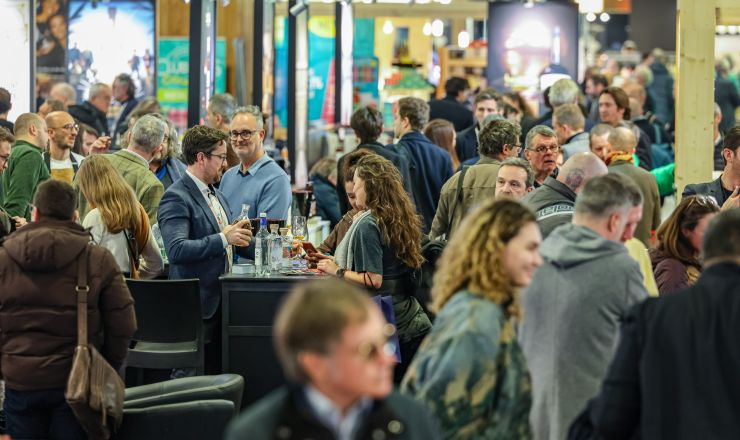
Three days, thousands of potential connections and one chance to make an impression. As South African producers prepare for Wine Paris 2027, Carolyn Martin, co-founder and marketing director of Creation Wines, shares what it takes to turn a trade exhibition into meaningful business. From choosing the right buyers to knowing which wines to pour, her advice is simple: arrive prepared, stay curious and remember that relationships matter more than business cards.