
Cape Town Ports plan R16.1b investment over next 7 years
WC Minister Mireille Wenger says R16.1 billion capital investment spending plan for Ports is good news, but needs to be 'front loaded'.
· 4 min read
Mireille Wenger, Western Cape’s Minister of Finance and Economic Opportunities, says the R16.1 billion capital investment spending plan for Western Cape Ports is good news, but needs to be “front loaded” over next 3 years
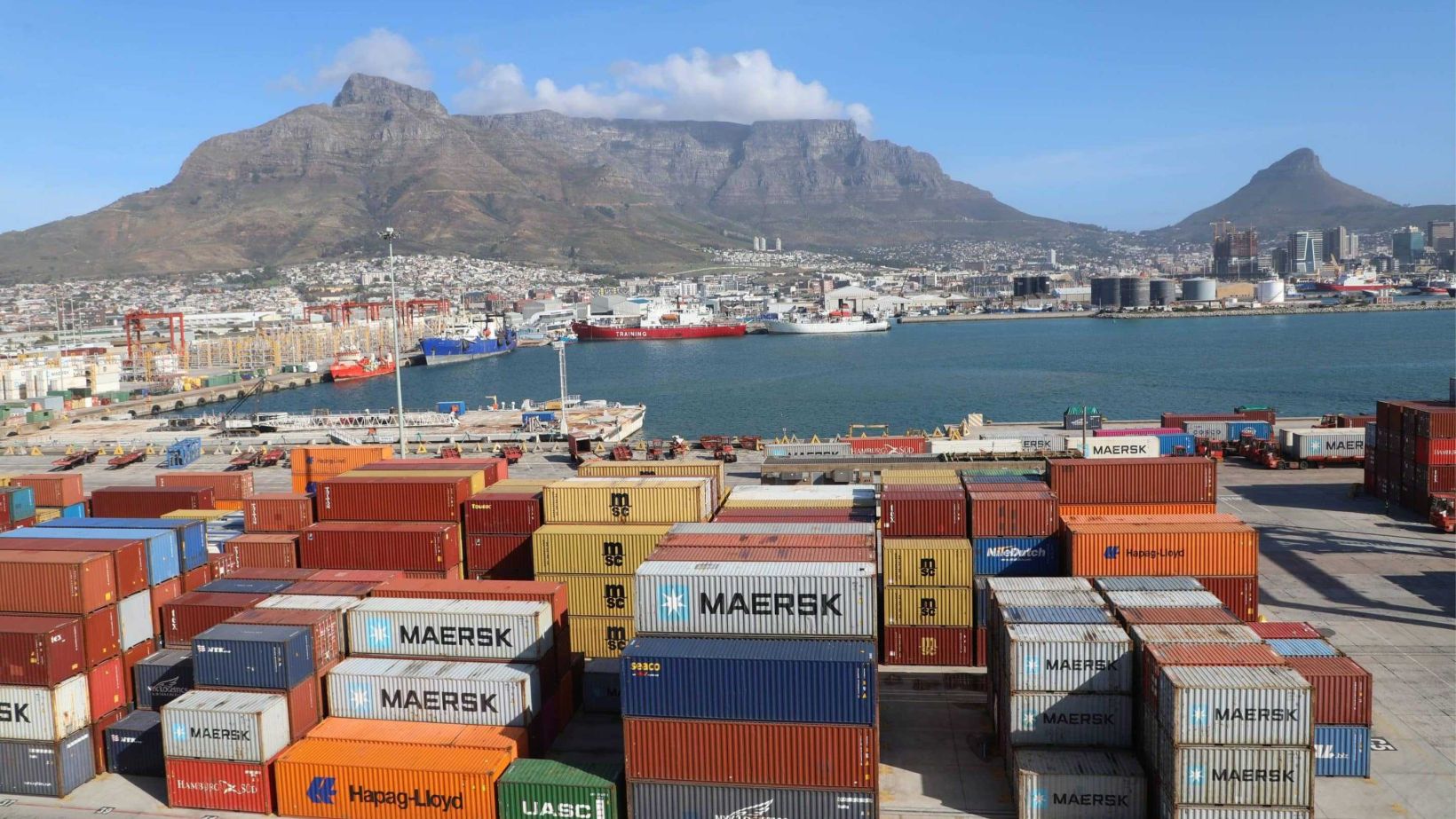
Media reports that Transnet National Ports Authority plans to spend R16.1 billion rand on improving the Western Cape’s ports over the next seven years is positive news that will help improve investor confidence, especially as we approach peak season for key sectors that make use of port services.
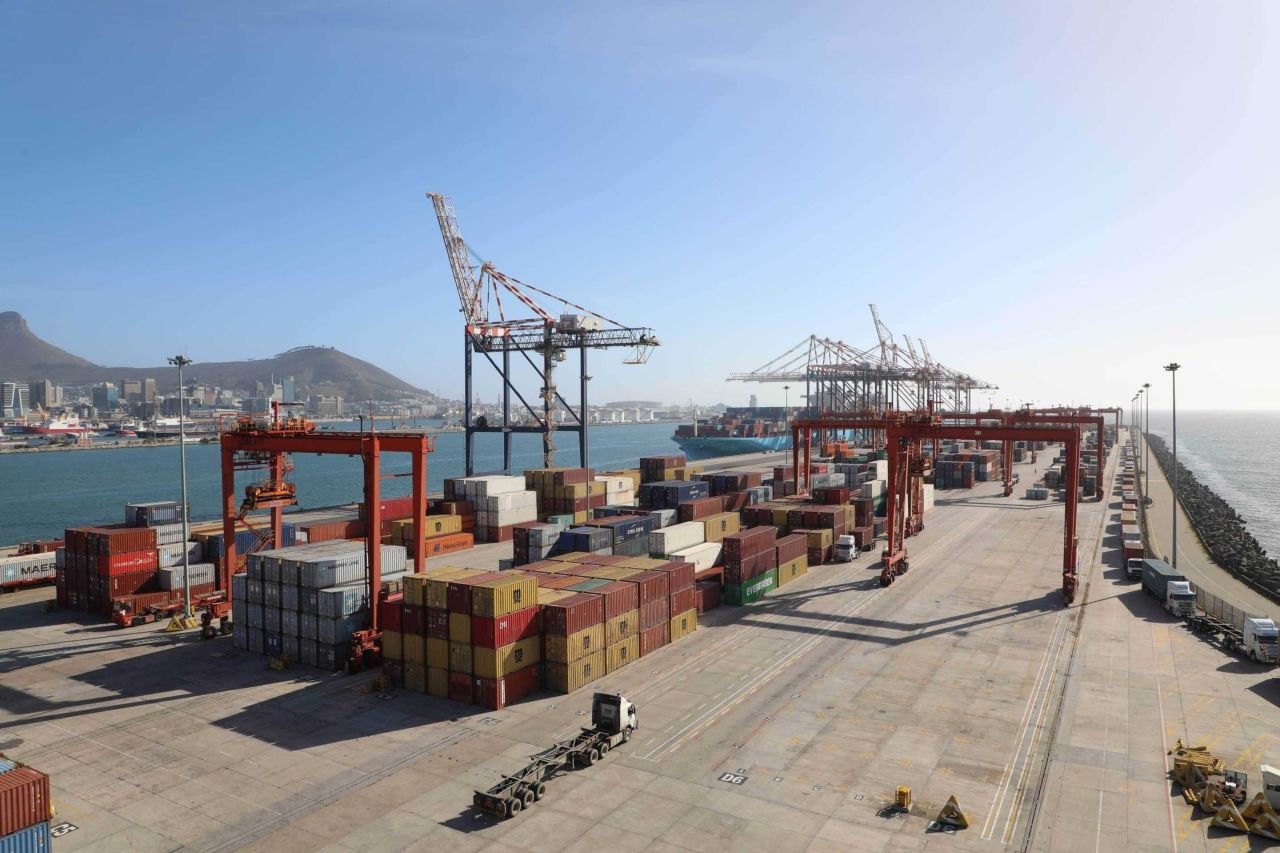
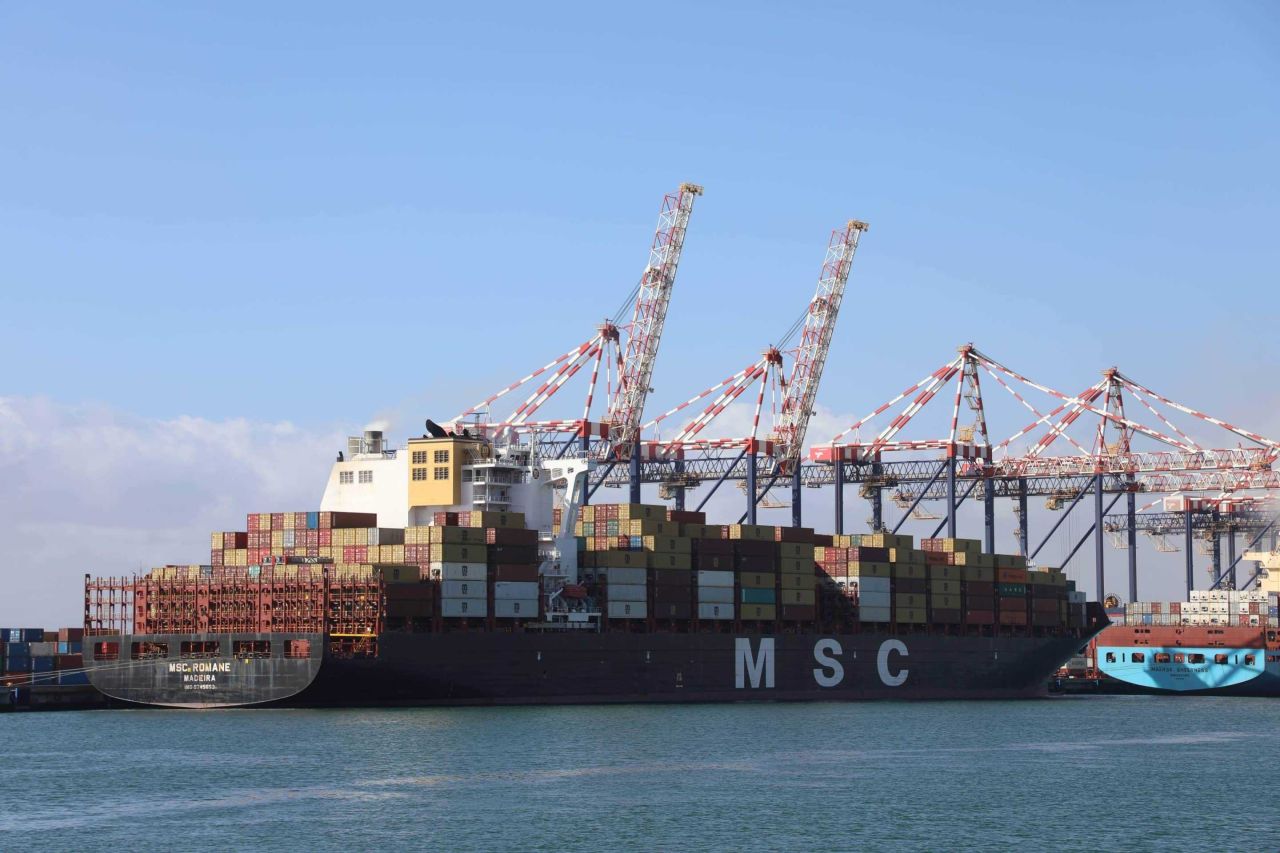
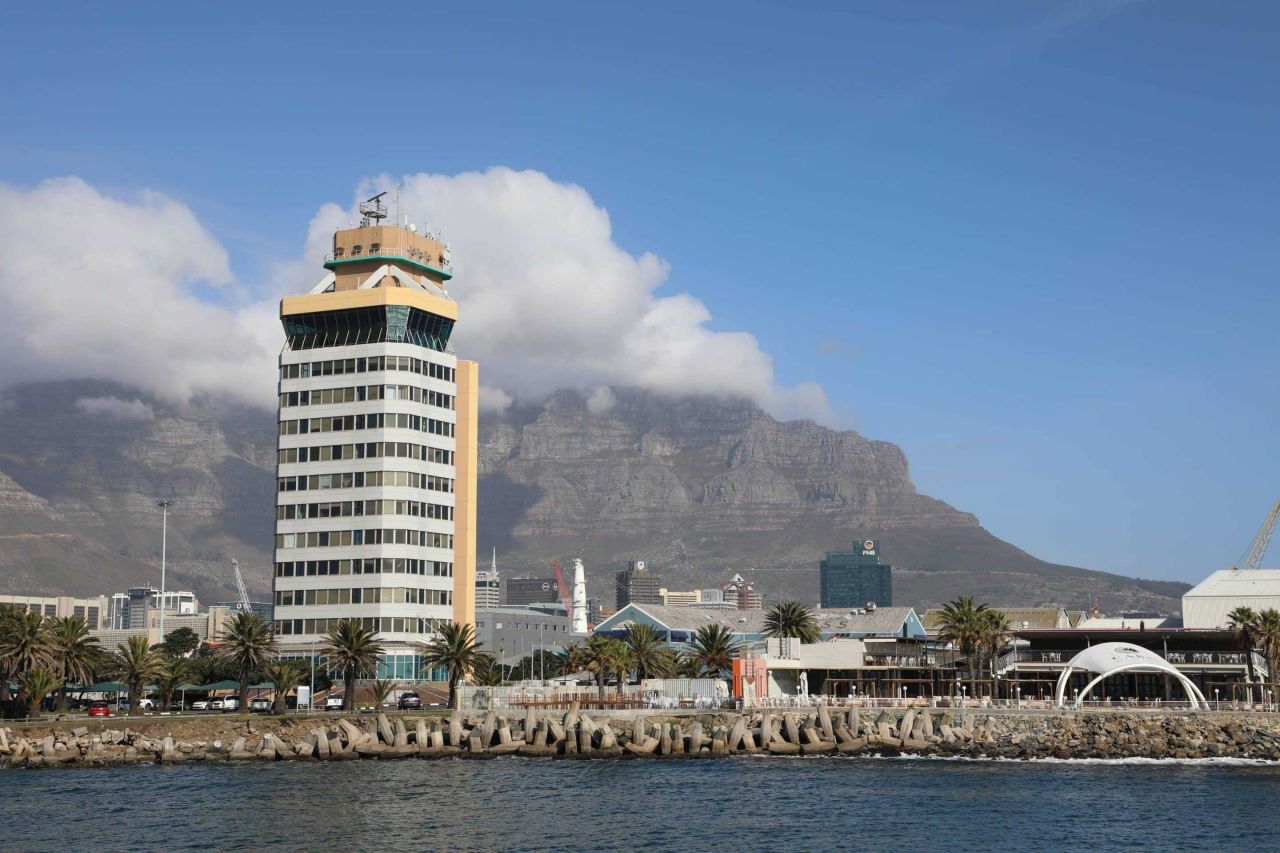
Transnet National Ports Authority (TNPA) announced that three ports along the Western Cape coast will receive upgrades to the tune of R16.1 billion over the next seven years, according to the Transnet National Ports Authority (TNPA).
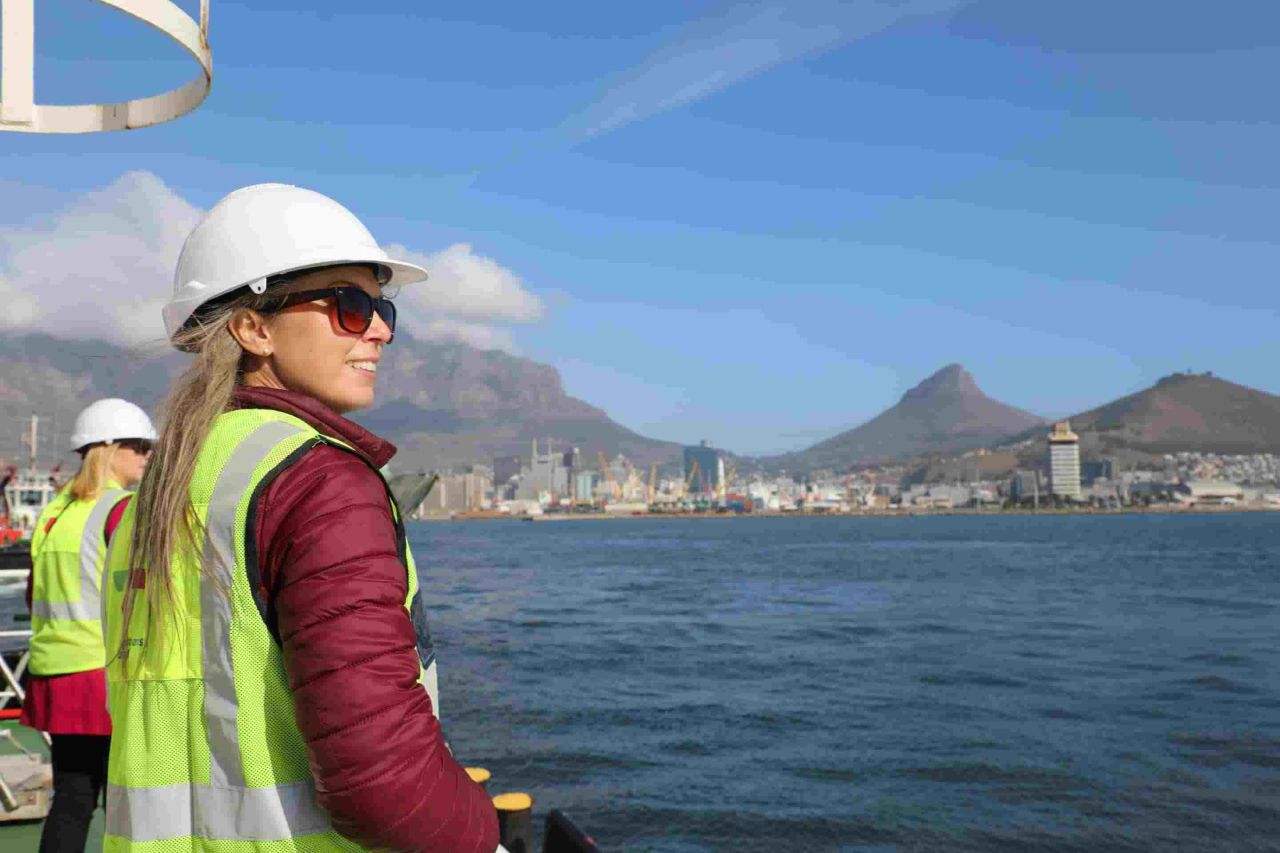
Mossel Bay, Saldanha, and Cape Town ports, identified as the TNPA’s Western Region, are being upgraded to “efficiently facilitate trade”.
The lion’s share of the Western Region’s capital investment programme, some R8.4 billion, will go to Saldanha. This port is unique in that it has a purpose-built rail link directly connected to a jetty bulk loading facility for the shipment of iron ore. In addition to moving iron ore, Saldanha also has facilities to handle crude oil.
A total of R5.5 billion has been allocated to Cape Town over a seven-year period, and R2.2 billion will be used to upgrade the infrastructure of Mossel Bay’s port. More than R450 million will be spent as part of the TNPA’s capital investment programme in the current financial year.
“The sharing of this information also demonstrates a commitment to transparency, which the Western Cape Government has personally experienced, and which we warmly welcome,” says Wenger.
Minister Wenger says she has invited TNPA to provide a briefing on this planned expenditure to the provincial cabinet to unpack their plans and find ways to assist in ensuring it is success.
Bulk of ports’ expenditure must be ‘front loaded’
She has also invited Transnet Port Terminal (TPT) to provide a briefing on planned capital expenditure over and above the R16.1 billion that is planned by TNPA.
“We do, however, note that many of these capital expenditure announcements have been in the pipeline for some time already, and so what we now need to see is increased capital expenditure rates, with the bulk of the capital expenditure ‘front loaded’ over the next three years, and not the outer years (year 6 and 7), as currently planned.
For both entities it is critical that capital expenditure performance improves. For example, TNPA spent less than 40% of its capital budget during the past two years. Capital expenditure by Transnet Port Terminal (TPT) was R500 million below budget in 2020/21.
“These spending rates on capital budgets will need to be addressed over the short-term for efficiency to improve,” says Wenger.

She states that the type of capital investment also matters. “For example, expenditure is needed over the short-term on the container side of the business to match our growing export demand, with new cranes, and rubber tyred gantry cranes (RTGs), so that the challenges created by strong winds are managed.”
Wenger feels that smart ‘front-loading’ of the capital investment spend in this way will make a notable difference in the experience of exporters and importers, who are desperate to get their product to market.
“We know, for example, that the difference between a high-growth and a low-growth scenario for the Cape Town container terminals could be as much as R5 billion in gross value added, and over 19 000 jobs.”
“We are certainly encouraged by what is a clear intent to address the capital under-investment at the Port, and we know, that if private sector participation at the Port is also embraced, as a clear Operation Vulindlela Presidential commitment, we will make major strides in improving the Port of Cape Town’s performance, and ranking, globally.”
Click here to get your copy of WineLand Magazine and here to subscribe to our newsletter.

More from
Markets, business and trade
How research is changing the wine we drink
Wine research starts long before the bottle reaches the shelf. It gives producers a better understanding of what happens in the vineyard and cellar, while providing evidence for decisions that can affect the wine consumers eventually drink.

Precision Fermentation: Biotech to balance Flavours, Acid and Alcohol
As warmer vintages widen the gap between ripeness and freshness, a new generation of selected yeasts lets winemakers rebalance wine during fermentation, not after.
WBWE – a global business barometer
If you want to understand where the global wine industry is heading, don’t look only at retail shelves or export statistics. Look at what is happening in the bulk wine market.