
Clever contributions

· 2 min read
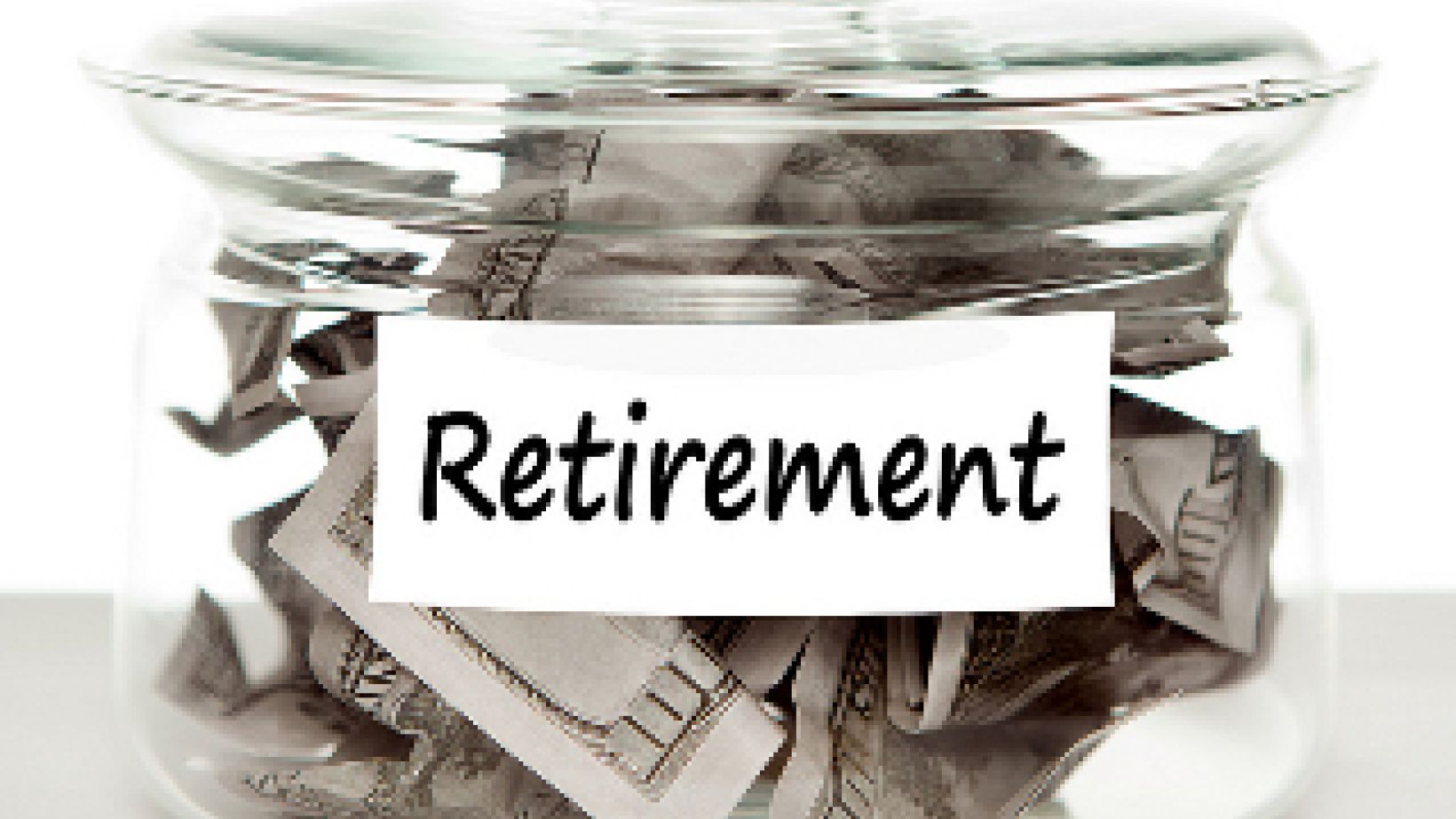
When is a retirement fund contribution really a contribution? Once it’s been paid to the relevant fund. But is it that simple?
According to section 11(l) of the Income Tax Act of 1962, employers may deduct the amounts contributed to employees’ retirement funds (i e pension, provident or retirement annuity funds) in the year of assessment in which the amounts were contributed.
This seems straightforward enough, but the exact meaning of the term “contributed” in section 11(l) of the Act has recently come under scrutiny. Is it sufficient for an amount to have been incurred, even though it might not yet have been paid to the relevant fund, or does the Act require that the payment must actually have been made?
The difference becomes important in cases where the relevant amounts have been incurred at the end of the last month of the financial year (Year 1), but for whatever reason were only paid to the retirement fund at the beginning of the next month (i e in the next year of assessment (Year 2)). This raises the question: Is the amount regarded as having been contributed in Year 1 or in Year 2?
A clue might be contained in the previous paragraph of the Act. Section 11(k) allows retirement fund members to deduct any amount contributed by an employer on their behalf. In such cases, it is commonly accepted that the amount must actually have been paid over in order to qualify for the deduction. Logically, “contributed” should be interpreted the same way in paragraph (l).
The conclusion is that employers are well-advised to ensure that retirement fund contributions are actually paid to the relevant funds before the end of the year of assessment. This is the most prudent interpretation of the Act, and the strategy most likely to keep everyone out of awkward discussions with Sars.

More from
Markets, business and trade

The next 25 years
DGB has been recognised by Mundus Vini as its Best South African Producer over the past 25 years. But what will it take to remain successful for the next 25? We asked Executive Chairman Tim Hutchinson about premiumisation, changing consumer behaviour, climate, technology, and where he believes the next opportunities lie.

Paving the way to a sustainable wine trade
On 2 November 2026, WWTG Governments endorsed principles that governments may take into account to avoid unjustified or unintended impacts on trade for the wine sector related to sustainability policies.

Does Government know what it’s costing you?
A decision made in Pretoria can change the way a wine business operates. But who makes sure the people making those decisions understand what happens on the ground? South Africa Wine’s Jordyn Goeieman takes us inside the often unseen work of influencing the policies that affect the industry.