
Discerning the market
Brad Gold’s brand-building experience includes marketing positions at Distell, DGB, Oak Valley and Iona. As the founder of Golden Ratio Solutions, he is dedicated to helping wine producers clarify their marketing approach. In a period of mounting pressure, his message is consistent: better…
· 4 min read
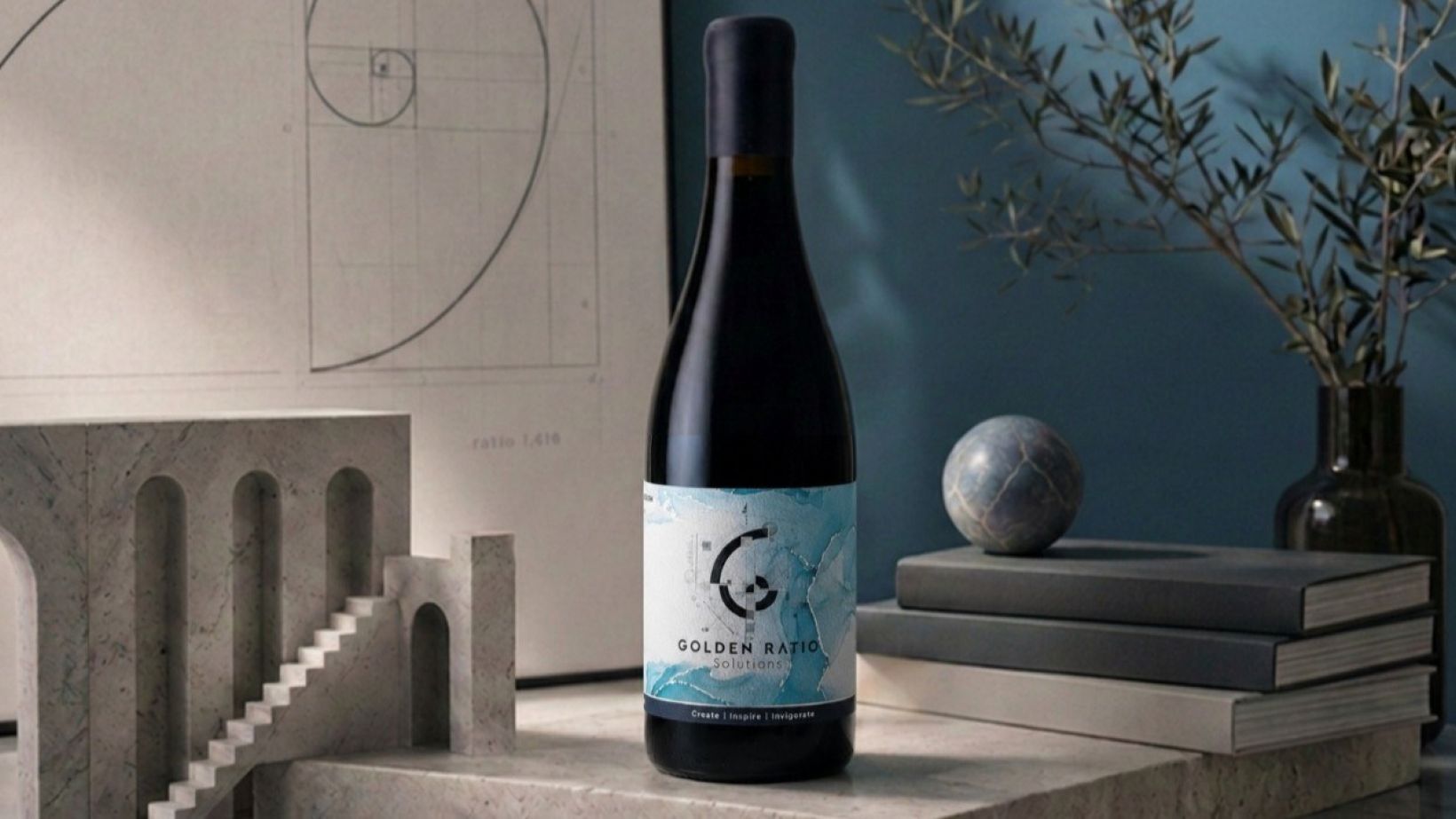
Since founding Golden Ratio Solutions six years ago, Brad has worked with a range of South African estates, navigating everything from brand repositioning to route-to-market decisions. His mission: to help producers think more clearly about their businesses – a consultant working at the intersection of wine, strategy, and commercial reality.
Consumer habits are shifting, export markets are under pressure, and producers – particularly at the smaller end – are being asked to do more with less.
The forces reshaping the industry are converging from several directions. A younger consumer entering the market brings different priorities, such as a stronger interest in health and moderation. Meanwhile, global economic uncertainty is influencing purchasing patterns and trade dynamics, while challenges in wine regions like Bordeaux are adding additional supply pressure into the system.
Yet Brad is careful not to overstate the rupture. “The core of what consumers are looking for hasn’t fundamentally changed,” he says. “There is still a demand for well-made wines with a clear sense of identity. What has changed is how those wines are discovered, understood, and communicated.”
That distinction matters, because it’s very tempting to chase each new signal in periods of disruption and uncertainty – to pivot positioning, reformulate pricing, or rush into emerging channels. Consequently, Brad takes a measured strategy: stay close to the shifts, understand where momentum is genuinely building, then help producers assess what is relevant to their specific context. “Not every trend applies to every brand,” he says. “The challenge is knowing what to adopt, what to ignore, and how to adjust in a way that remains commercially viable.”
The survival equation
Small and medium producers are competing in a crowded market against businesses with considerably greater resources for marketing, distribution, and brand building – while absorbing rising input costs and tightening margins. In that environment, the room for error is narrow.
However, the fundamental challenge is strategic rather than financial. “Survival is not just about cutting costs,” he says. “It’s about making better decisions.” The businesses best placed to endure this period are those with genuine clarity on their positioning – those that know where they can compete effectively, resist the temptation to pursue every opportunity, and build demand in a focused, sustainable way. “Not every market or opportunity is worth pursuing,” he adds. “Trying to do too much can dilute already limited capacity.”
Reflecting on what has remained consistent across very different projects, Brad sees his function as helping producers move from uncertainty to a clearer direction. Whether that has meant refining how a brand is presented, rethinking the route to market, or creating alignment between production and commercial strategy, the underlying work is the same.
The case for marketing
In a margin-compressed environment, investment in branding and marketing is often among the first casualties. Brad understands the logic, but pushes back on it. “Without clear positioning and consistent communication, even very good wines can struggle to find traction in the market,” he says.
South Africa’s strength has historically been production. Our farming and winemaking heritage is deep and authentic. But as competition intensifies globally, the ability to translate quality into sustained demand becomes the differentiating challenge. For Brad, marketing sits within a broader commercial framework – not as an isolated function, but as part of how all the moving parts of a business connect, from cellar decisions through to pricing, distribution, and market presence. When that alignment is working, he argues, it becomes easier to build recognition, maintain pricing, and create stable demand over time.
South Africa’s opportunity
On the question of South Africa’s global positioning, Brad is both honest about the complexity and genuinely optimistic about the potential. Established Old World regions benefit from long-standing structures – appellation systems, regional conventions – that offer convenient reference points and conversation starters. South Africa adds something different: a diverse, relatively open landscape that brings creative freedom, but also interpretive difficulty for the consumer.
The opportunity for local brands is not in replicating the European model, but in building on our distinctly South African heritage. “The goal is less about competing directly with established regions, and more about defining a position that is both authentic and understandable to the market.” The diversity of styles and price points that characterises the Cape is not inherently a liability, but it does require deliberate, consistent communication to become a strength. For producers willing to do that work, the path forward is there.
As Brad puts it, the job is knowing where to focus, and then executing clearly from that position.

More from
Markets, business and trade
Precision Fermentation: Biotech to balance Flavours, Acid and Alcohol
As warmer vintages widen the gap between ripeness and freshness, a new generation of selected yeasts lets winemakers rebalance wine during fermentation, not after.
WBWE – a global business barometer
If you want to understand where the global wine industry is heading, don’t look only at retail shelves or export statistics. Look at what is happening in the bulk wine market.
Reaching for the summit
Every mountain has a summit, and every summit demands time to reach it.