
Exports in conflict
· 4 min read
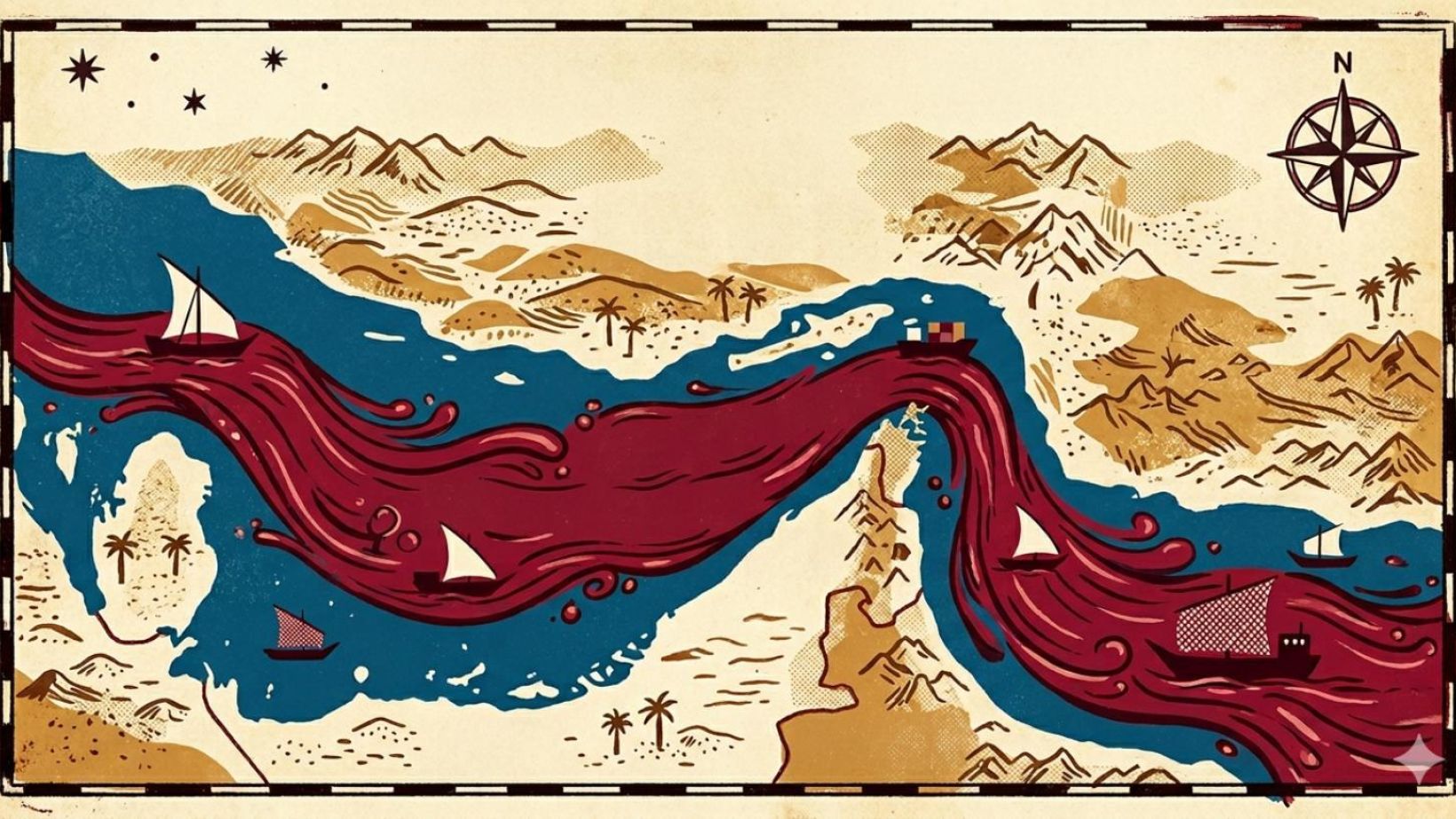
The escalation of war involving Iran since late February 2026 has triggered a systemic shock to global energy and maritime logistics, with knock‑on effects now being felt across South African agriculture, including wine. While Iran is not a direct market for SA wine, the industry is indirectly exposed through fuel prices, shipping costs, higher insurance premiums and Middle East export routes.
For wine producers, and the agricultural sector in general, who are already operating on thin margins amid weakening global demand, the conflict arrives at a particularly fragile moment, says Sanele Nkosi, Head of Agriculture at BDO South Africa – part of a global network of accounting firms represented in over 160 countries.

Squeezed margins
Since early 2026, instability around key shipping routes near the Strait of Hormuz has pushed up fuel and freight costs, creating a compounding effect across the value chain. “South Africa’s agricultural sector is uniquely exposed to global shocks,” he says. “Farmers rely heavily on imported inputs such as fertilisers, fuel and machinery, while selling into globally priced markets.”
Rising oil prices are already translating into sharp increases in local diesel prices. Inland prices rose by 62 cents per litre in March, raising costs across planting, irrigation, harvesting and transport. “Diesel is the lifeblood of commercial farming and agriculture,” Nkosi says. “When costs rise, especially alongside currency pressure, the impact compounds quickly.”
Fertiliser costs are also climbing at a critical time. South Africa imports most of its fertiliser from countries including Saudi Arabia, Qatar, Oman, Russia and China. Disruptions to shipping routes are driving up prices just as farmers enter a key procurement window ahead of the next planting season. “Fertiliser can account for up to 50% of input costs in grain production,” Nkosi says. “If supply becomes unstable, farmers may reduce application, switch crops or plant less.”
The rising input costs and logistical delays could lead to reduced yields, raised prices, and squeezed margins across this sector. “South Africa’s reliance on imported fuel and fertiliser amplifies the impact of global instability, while stricter trade finance conditions will add further strain,” he says.
Shipping costs
The wine sector is also energy‑intensive, with diesel critical for mechanised vineyard operations, irrigation pumping and road transport to ports and cellars. Although most SA wine exports do not pass through the Strait of Hormuz directly, the conflict has caused global vessel rerouting, container shortages and longer transit times as ships detour around the Cape or avoid the Red Sea. “Major carriers have suspended or restricted Middle East services and applied new surcharges since early March,” Nkosi says. “The reality is that a prolonged war in that region will lead to increased energy cost inflation, which will compress margins at farm level before wine ever leaves the cellar.”
For wine exporters, this means higher landed costs in destination markets and increased working‑capital strain due to longer shipping cycles. “The Iran war doesn’t hit South African wine through bombs or borders – it hits through fuel costs, containers and insurance. For an industry already under strain, this is more about survival economics than geopolitics.”
Casualties of war
Export logistics are coming under similar strain. South Africa’s citrus, wine and fresh produce industries depend on reliable shipping, but delays and rising freight costs are increasing the risk of losses. “Fresh produce exports rely on timing and reliability,” Nkosi says. “A delay at port can translate directly into financial loss.”
The disruption is particularly significant given that some of South Africa’s fastest-growing export markets are in the Middle East.
Financial pressures are also intensifying. Sanctions, stricter compliance requirements and SA’s grey-list status are complicating trade finance, with banks becoming more cautious and processing times slowing. Although grain producers are most exposed to rising input costs, all export-oriented trade faces logistics risks, while irrigated regions are under pressure from higher energy costs. “If disruptions ease within the next few months, costs may stabilise,” Nkosi says. “But prolonged instability could entrench higher input costs, compress margins and force weaker producers out of the market.”
“South African producers may be far removed from the conflict, but they are increasingly paying for it.”

More from
Markets, business and trade
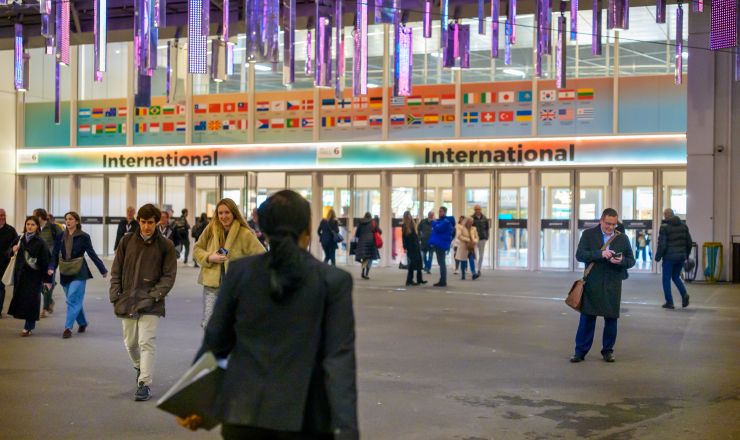
Don’t arrive in Paris hoping to get lucky
Three days in Paris can open doors to markets around the world. But the real work starts long before the exhibition. From finding the right buyers to preparing your stand and following up afterwards, here's how to make Wine Paris count.

Paris is calling. Again.
Wine Paris has become one of the important dates on the global wine calendar. For South Africa, being there matters. But being there with a plan matters more.
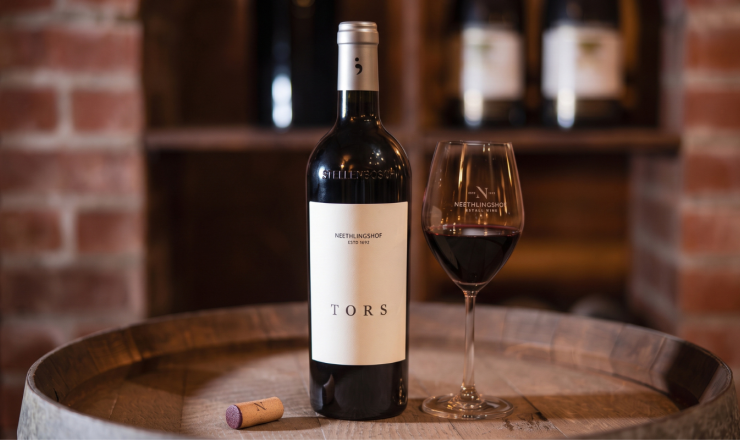
Neethlingshof debuts flagship red 'TORS' with Absa Cape Blend Top 6 Win
Neethlingshof Estate has introduced its flagship red, TORS, marking its debut with a win at the Absa Cape Blend Top 6 Awards for its maiden 2024 vintage. Crafted as the estate’s pinnacle expression, TORS was developed for fine wine collectors seeking a micro-vinified Stellenbosch blend shaped by site specificity and low-intervention winemaking.