
PAIRING WINE AND TOURISM
· 3 min read
South African wineries aim to attract more visitors by closely aligning their wine offerings with other facets of tourism such as food, accommodation, culture, wellness and outdoor experiences.
Wine and hospitality aficionados and government representatives gathered at Spier wine estate in November to take part in the first annual The Business of Food & Wine Tourism Conference. Spanning two days, it included presentations and workshops led by renowned international and local specialists in global wine tourism trends, digital marketing, culinary excellence and front-of-house training.
Wine tourism strategy gets underway
Wine tourism, which is about the delivery and experience of a variety of tourism-related activities within or around wine-producing regions or routes, is a significant revenue generator for the South African economy and has the potential to provide many new business and employment opportunities. Wine tourism contributes in excess of R6 billion to the GDP annually. A national wine tourism strategy and coordinated plan is being finalised by industry and government, which is set to increase this annual contribution to R16 billion by 2025.
“A million bottles of South African wine are sold daily worldwide,” says Anemé Malan, deputy director-general of the national department of tourism. “This is a million opportunities a day to tell the South African story and inspire more people to travel to South Africa and encourage more domestic trips to experience our hospitality, exceptional wine and food and diverse cultures.”
Align, integrate and collaborate
“Tourists don’t want to just sit and drink wine and eat all day when visiting a wine region – they want something else to do after lunch,” says Clay Gregory, CEO of tourism marketing body Visit Napa Valley.
According to him, it’s increasingly important to align wine-related activities with other facets of tourism such as food, accommodation, arts and culture, wellness and outdoor activities. “These industries should collaborate and work towards the common purpose of making the region the destination of choice for travellers.”
Visit Napa Valley works closely with more than 300 visitor centres, 36 nonprofit and community organisations, various government entities and destination marketing organisations such as Brand USA, Visit California, San Francisco Travel and Great Wine Capitals. The sectors complement each other at events such as the annual Flavor! Napa Valley festival and Napa Valley Restaurant Week and encourage visitors who attend the Super Bowl to venture out to the wine regions.
Wesgro CEO Tim Harris says there’s much to be learnt from the Napa Valley approach. “Like San Francisco, Cape Town is about an hour’s drive from most wine regions. There should be a strong link between the established city brand and the emerging wine region brands.”
In a world that’s increasingly fast paced, South Africa is a beautiful, relaxing destination where visitors can unwind with the best food and wine in the world. The three niche areas Wesgro focuses on as promotion agent for tourism, trade and investment in the Western Cape are adventure, culture and food and wine.
“We can learn from best practices in other regions and should align our efforts and lobby for funding to take wine tourism to the next level,” Tim says. w

More from
Markets, business and trade

Paris is calling. Again.
Wine Paris has become one of the important dates on the global wine calendar. For South Africa, being there matters. But being there with a plan matters more.
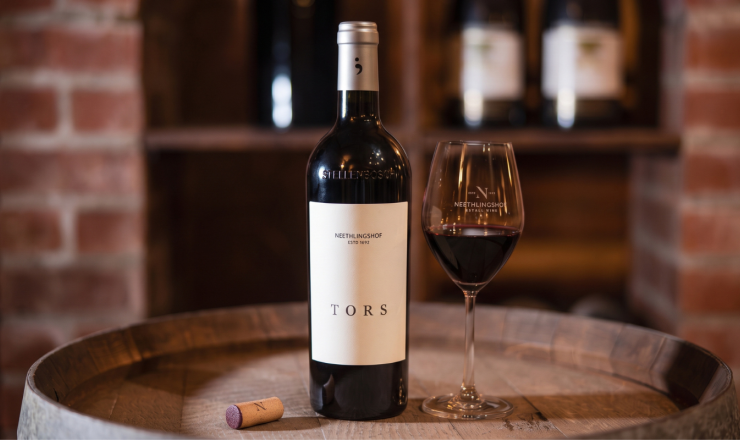
Neethlingshof debuts flagship red 'TORS' with Absa Cape Blend Top 6 Win
Neethlingshof Estate has introduced its flagship red, TORS, marking its debut with a win at the Absa Cape Blend Top 6 Awards for its maiden 2024 vintage. Crafted as the estate’s pinnacle expression, TORS was developed for fine wine collectors seeking a micro-vinified Stellenbosch blend shaped by site specificity and low-intervention winemaking.

The shelf has moved: how AI is changing the way consumers find wine
The way consumers find wine is changing. A decision that once happened in front of a shelf or with advice from a wine retailer can now start with a question typed into an AI platform.