
Q&A with Cecile Nieuwoudt, WineMS
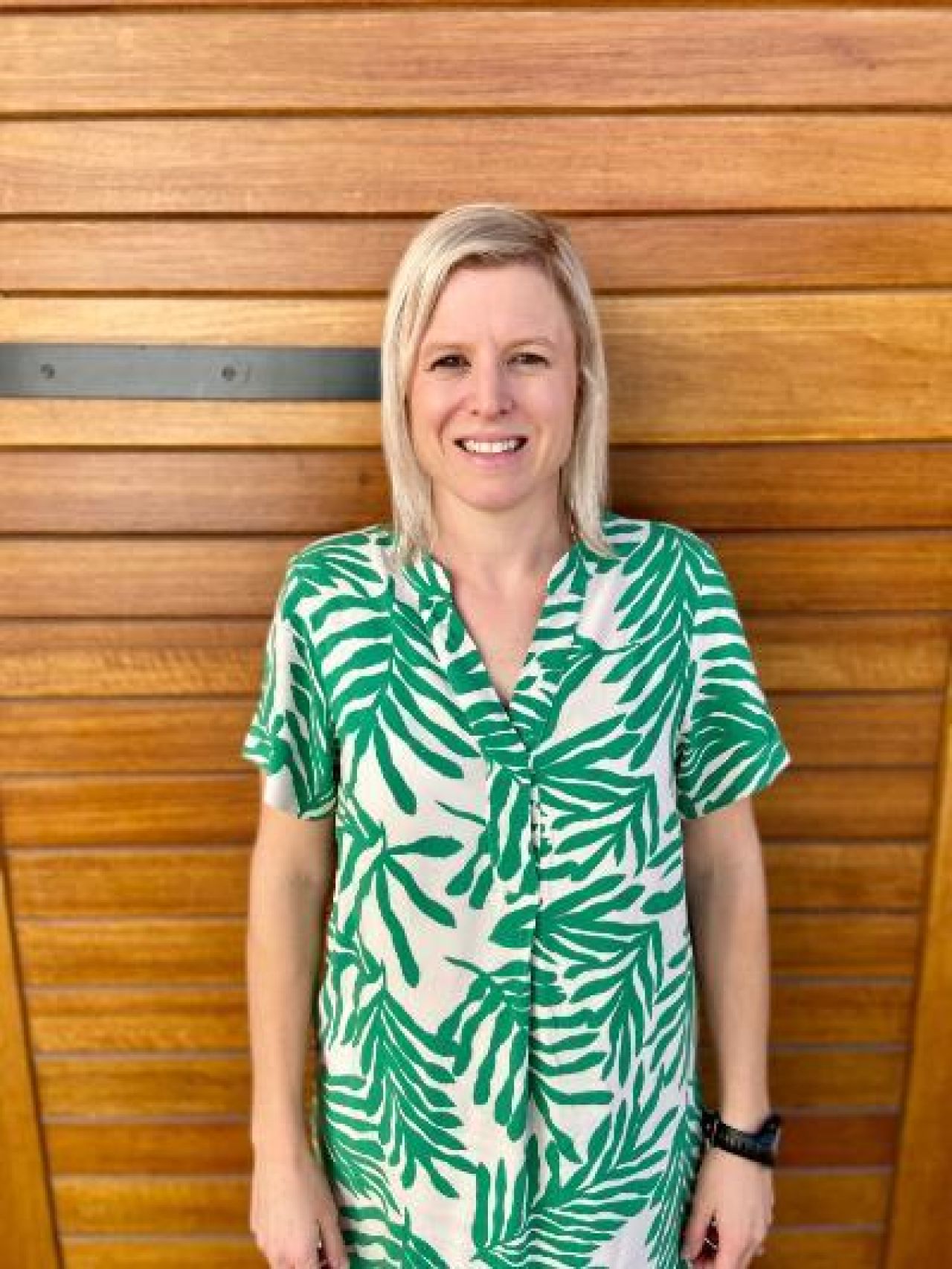
Cecile Nieuwoudt leverages a diverse background spanning software development, project management, and marketing to drive growth and innovation in the wine industry. Starting out as a software developer and later progressing to project Manager, she was promoted to General Manager at WineMS in 2024.
· 3 min read
What is your role at WineMS?
As General Manager of a software company, my role is to oversee all aspects of the business – from strategy and operations to client relationships, team performance, and marketing the software. I ensure that projects are delivered on time, within budget, and to a high standard of quality.
A key part of my job is balancing day-to-day operations with long-term growth, which includes identifying new opportunities, improving internal processes, and supporting innovation within the team. I also work closely with clients to understand their needs and make sure our software solutions continue to add value.
Ultimately, my focus is on driving sustainable growth while maintaining a motivated, efficient, and skilled team.
What specific needs does WineMS address?
WineMS addresses the specific operational and management needs of the wine industry. The system provides a complete software solution that helps wineries manage every aspect of their business – from vineyard to bottle. It simplifies complex processes such as production tracking, stock control, compliance reporting, and financial integration.
By centralising data and automating manual tasks, WineMS helps wineries improve accuracy, efficiency, and traceability. It also supports better decision-making by giving management real-time insights into production, inventory, and sales.
In short, WineMS bridges the gap between winemaking and business management, enabling wine producers to run more efficiently, remain compliant, and focus on quality and growth.
What solution does WineMS offer for these needs?
WineMS provides an integrated software solution that connects all winery departments, ensuring seamless data flow across key operational areas – including farm activities and costing, harvest, bulk wine management, bottling, sales, inventory, and financial integration.
Examples include:
- Bulk Wine Management: Harvest and purchase data for grapes or bulk wine are integrated directly. Overhead costs (e.g., electricity) are allocated and automatically recorded as general ledger (GL) entries. Bulk wine sales are captured as invoices within the system.
- Inventory Management: Materials such as corks are received as Goods Receipts. Inventory levels are maintained through adjustments and consumption, with automatic integration for usage (e.g., corks used in bottling).
- Bottling: WineMS connects inventory, bulk wine, and overhead costs to deliver a complete bottling workflow and accurate cost tracking.
- Sales Management: Sales invoices can be created directly in WineMS and imported into an ERP system, keeping production and financial data aligned.
- Financial Integration: All transactions across departments can be posted directly to the cellar’s financial system, eliminating duplication and improving accuracy.
What systems or technologies do you rely on?
The WineMS integration is built on modern connectivity technologies that ensure secure and reliable data exchange. It uses APIs, data bridges, and secure data flow protocols to enable smooth transfer of transactions and financial entries between WineMS and the cellar’s financial software. This architecture supports real-time or near-real-time synchronisation of operational and financial data, ensuring accuracy, traceability, and transparency from block to bottle.
What can producers do themselves to improve outcomes?
Producers can improve outcomes by actively engaging with the system and maintaining accurate, timely data across all winery operations. This includes:
- Consistent Data Entry: Ensuring that vineyard, production, and sales data are captured accurately and on time to support reliable reporting and costing.
- Regular Reconciliation: Reviewing inventory, bulk, and financial records to identify and correct discrepancies early.
- Process Alignment: Standardising workflows across departments to ensure that operational activities align with financial processes.
- Staff Training: Investing in user training to improve understanding of system functionality and data accuracy.
- Utilising Reporting Tools: Making use of WineMS dashboards and reports for performance tracking, cost analysis, and decision-making.
By following these practices, producers can strengthen data integrity, improve efficiency, and gain deeper insight into their production and financial performance.

More from
Markets, business and trade
How research is changing the wine we drink
Wine research starts long before the bottle reaches the shelf. It gives producers a better understanding of what happens in the vineyard and cellar, while providing evidence for decisions that can affect the wine consumers eventually drink.

Precision Fermentation: Biotech to balance Flavours, Acid and Alcohol
As warmer vintages widen the gap between ripeness and freshness, a new generation of selected yeasts lets winemakers rebalance wine during fermentation, not after.
WBWE – a global business barometer
If you want to understand where the global wine industry is heading, don’t look only at retail shelves or export statistics. Look at what is happening in the bulk wine market.