
Sweets for my sweet
· 1 min read
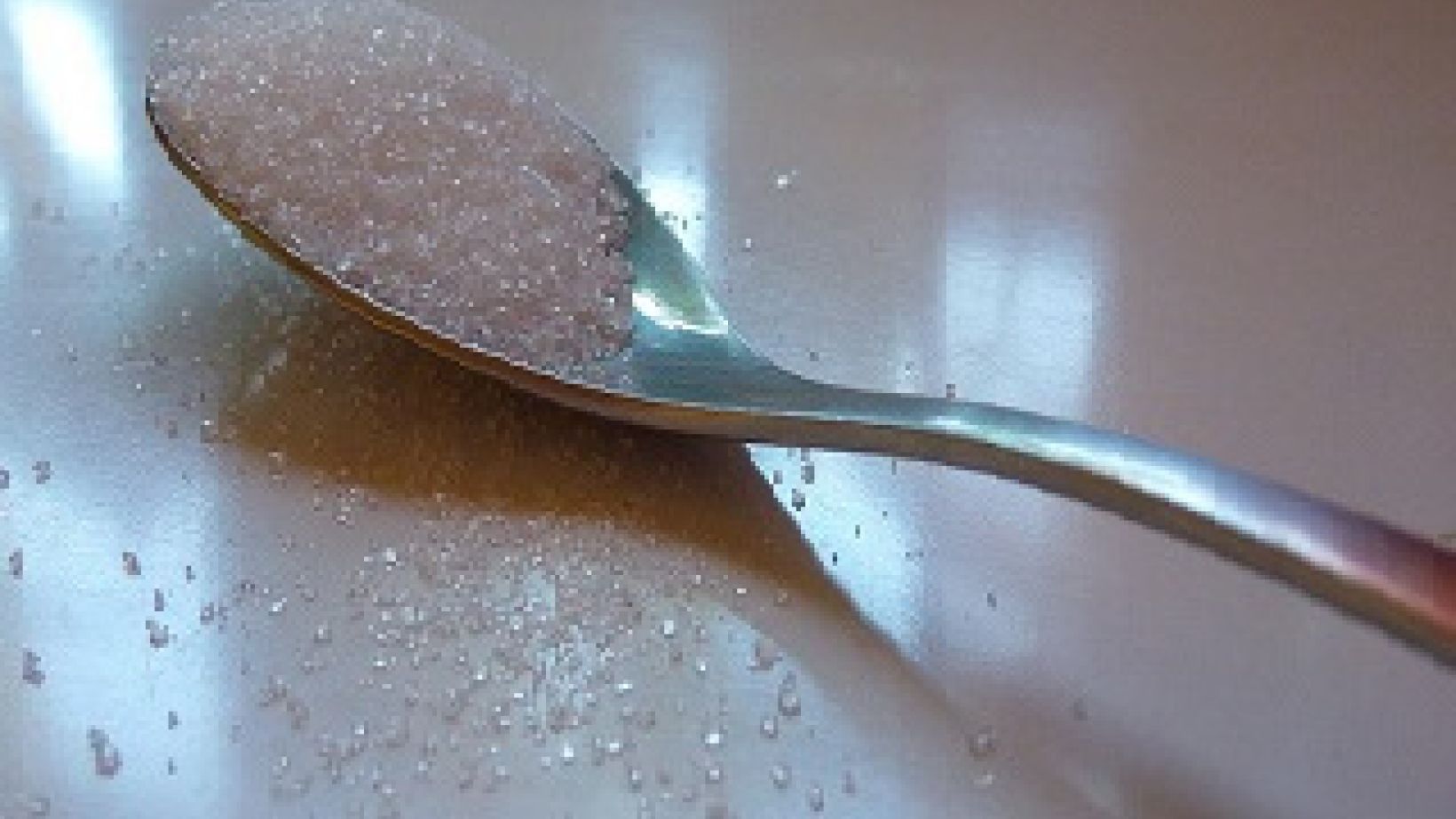
The draft legislation on the tax of sugary beverages was introduced to promote health, prevent disease and raise revenue. Globally these fiscal measures are increasingly recognised as effective complementary tools to help tackle the obesity epidemic at a population level.
A number of countries around the globe have levied taxes on sugar-sweetened beverages and many plan to do so.
The new proposal introduced a threshold of 4g/100ml below which the sugar content is not taxed. This is equivalent to almost a teaspoon of sugar per 100ml which will not be taxed. The tax will therefore only be applied to the additional sugar above 4g/100ml. This rate is slightly lower at 2.1 c/g, compared to the original proposed rate of 2.29 c/g.
Good news for the industry is the exemption for the time being of 100% fruit juice with no added sugar. This follows the international practice. Jurisdictions that have implemented the tax on sugary beverages have also exempted 100% fruit juice. Some health experts, however, have argued that 100% fruit juice should also be subject to the tax and the inclusion of 100% fruit juice in future is a possibility.
Public comment on this draft legislation was submitted on March 2017.

More from
Markets, business and trade

How research is changing the wine we drink
Wine research starts long before the bottle reaches the shelf. It gives producers a better understanding of what happens in the vineyard and cellar, while providing evidence for decisions that can affect the wine consumers eventually drink.

Precision Fermentation: Biotech to balance Flavours, Acid and Alcohol
As warmer vintages widen the gap between ripeness and freshness, a new generation of selected yeasts lets winemakers rebalance wine during fermentation, not after.

WBWE – a global business barometer
If you want to understand where the global wine industry is heading, don’t look only at retail shelves or export statistics. Look at what is happening in the bulk wine market.