
Tapping into Africa
Wine in Africa is moving from niche to normal in pockets where hospitality and middle-class consumption are expanding.

· 5 min read

WoSA’s March media engagement in Stellenbosch brought Kenyan journalists and influencers to vineyards, production environments and the people behind South African wine, aiming to boost black-owned brands’ visibility and convert interest into market engagement. Speakers described growing openness to premium South African wines, but said established international brands, distribution, logistics and sustained investment remain challenges. They stressed that inclusion means commercial access and lasting participation, not visibility alone.
Summary written by AI from this article. The full article is under “Deep dive”.
Wine is becoming increasingly popular in African cities such as Nairobi, Dodoma and Kampala, which have a visible wine culture created by social spaces where wine is not just an occasional luxury. But when it comes to South African wine, familiarity with origin and range is still under-recognised.
The WoSA Kenya media engagement event held in March at The Wine Arc in Stellenbosch focused on closing this gap. The aim was straightforward: to strengthen the visibility of South African black-owned wine brands and convert interest into real market engagement across African cities. Journalists and influencers from Kenya were taken on tours of vineyards and production environments to build a first-hand understanding of South African wine. They also met the people behind the wine.
As WoSA’s market manager for Africa, Matome Mbatha is responsible for market development across the continent. He says Kenya forms part of a wider regional pattern where markets are already demonstrating increased consumption of premium wine and growing openness to South African products. WoSA’s work in these markets focuses not only on visibility, but also on education. “We’re demystifying wine by educating people through masterclasses and teaching them how to speak about wine. We’re also telling the story of what the industry is doing and our vision for the future.”
It’s all about changing perception. Wine becomes less about brand recognition, and more about ownership and credibility. This shift in perception is important in markets where authenticity is increasingly driving purchasing decisions. Wine consumption exists, particularly in Nairobi, but purchasing decisions still lean heavily towards established international brands, Kenyan media personality and influencer Mwalimu Rachel says. The issue is not access to wine culture, but default preference guided by long-standing market exposure.
And this is where opportunity lies. South Africa is in a unique position both geographically and culturally. There’s a definite pride when consumers learn that a wine was made by a black woman or man, Mwalimu says. For many black consumers, the value of wine goes beyond the product itself and is more about what it represents. “I’m passionate about telling stories about what the continent can do and what we can produce,” she says. “It’s about the pride of knowing that the wine I’m drinking is from the motherland. It’s from the continent.”
But awareness alone does not drive sustained market growth and visibility doesn’t guarantee availability. Africa is an untapped and growing market, not only for South African wine but globally, says Denzel Swarts, sales and brand executive at Zoetendal. Being closer to South Africa, geographically and logistically, makes it a more practical expansion route compared with more distant export markets. Media engagement also plays an important role in building visibility. It puts brands in front of African media, and helps position both the producers and South African wine more broadly within the continent’s wine conversation.
But visibility alone is not enough. “Once attention is created, the real challenge begins,” Denzel says. “Entering and staying in these markets requires sustained investment. Funding is needed not only for initial access, but for maintaining presence and ensuring that brands don’t disappear after the first point of entry.”
The objective is entry and stability, not immediate scale. At the same time, the South African domestic market is under pressure and largely saturated, which pushes emerging and young brands to look beyond local borders for growth. The rest of Africa is the most immediate and logical next step. This places distribution and logistics at the centre of market development. Product availability and long-term supply relationships become more important than short-term promotional activity. Market success depends on continuity rather than initial exposure.
Another important consideration is that African markets are not uniform. Consumption behaviour varies significantly between and within countries. This requires flexible market entry strategies rather than standardised approaches. The Kenya engagement is a shift in how inclusion is being operationalised, says Karin Kleinbooi, inclusion and development manager at South Africa Wine. The focus is no longer on visibility alone, but on integration into commercial environments where trade is actively happening. “The WoSA Kenya media event speaks directly to South Africa Wine’s commitment to building a more inclusive industry,” she says. “For us, inclusive growth is not only about development support, but about creating real market access and visibility for black-owned brands in spaces where commercial opportunities exist.”
There’s also a growing middle class across several African countries with increasing interest in premium and lifestyle products, including wine. “What makes this particularly relevant is the cultural connection,” Karin says. “There’s a natural alignment and curiosity around African brands, African stories and African success. Black-owned South African wine brands are well positioned to connect in an authentic way that goes beyond the product itself. African markets are therefore becoming an important part of a more inclusive growth story.”
There are still important shifts needed to unlock Africa’s potential. Access remains a barrier, especially when it comes to distribution networks and logistics. As demand grows, brands need financial and production support to scale responsibly. Equally important is building strong, trusted partnerships in these markets.
But there’s a change in the industry, Karin says. Inclusion is moving into real participation and opportunity. Black-owned brands are increasingly being seen as commercially competitive players with the potential to add strength and diversity to South African wine.
To read more articles in our July issue themed “Business as unusual,” buy a copy here.

More from
Markets, business and trade

Don’t arrive in Paris hoping to get lucky
Three days in Paris can open doors to markets around the world. But the real work starts long before the exhibition. From finding the right buyers to preparing your stand and following up afterwards, here's how to make Wine Paris count.

Paris is calling. Again.
Wine Paris has become one of the important dates on the global wine calendar. For South Africa, being there matters. But being there with a plan matters more.
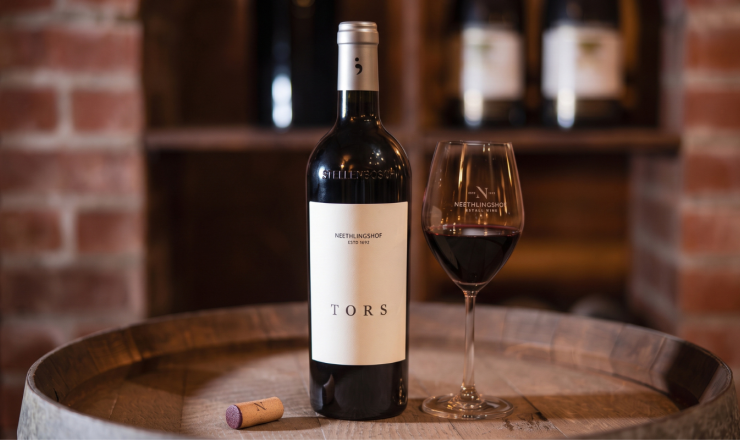
Neethlingshof debuts flagship red 'TORS' with Absa Cape Blend Top 6 Win
Neethlingshof Estate has introduced its flagship red, TORS, marking its debut with a win at the Absa Cape Blend Top 6 Awards for its maiden 2024 vintage. Crafted as the estate’s pinnacle expression, TORS was developed for fine wine collectors seeking a micro-vinified Stellenbosch blend shaped by site specificity and low-intervention winemaking.