
WC agriculture extends MOU with commodity organisations for 3 years
Officials from the Western Cape Department of Agriculture and commodity partners met last week to extend their Memoranda of Understanding (MOUs) for another three years.
· 4 min read
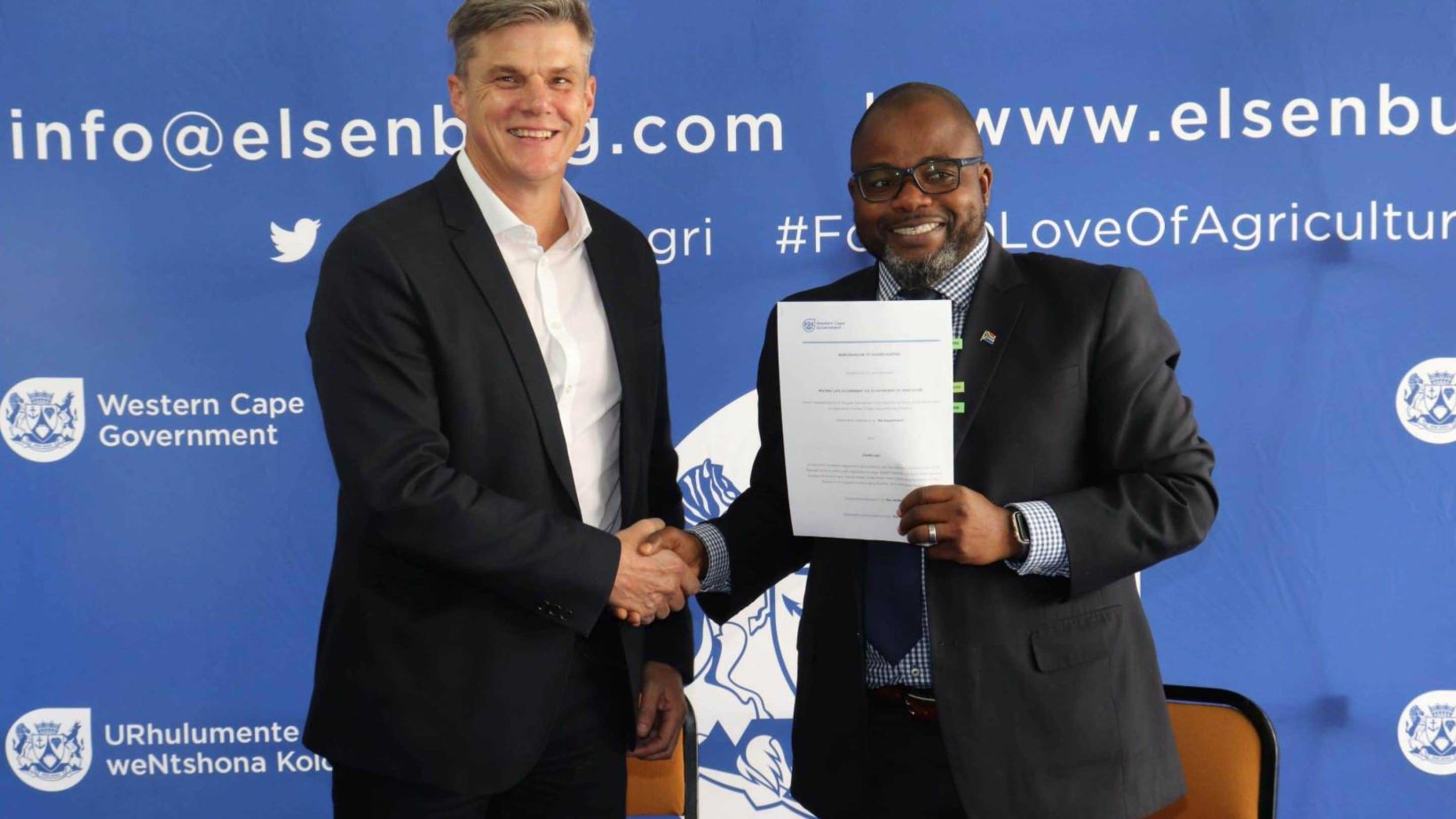
Officials from the Western Cape Department of Agriculture (WCDoA) and commodity partners met last week to extend their Memoranda of Understanding (MOUs) for another three years.
This sets the platform for commodity organisations to continue to support new farmers with advice, mentorship, training, inputs, market access, and mutual in-kind contributions. Agreements were signed with the National Wool Growers Association (NWGA), Deciduous Fruit Producers Trust (DFPT), Vinpro (Wine), South African Table Grape Industry (SATGI), South African Poultry Association (SAPA), Potatoes SA,Raisins SA, and Grain South Africa.
Strategic partners key in agriculture
Commenting on the signing of the MOUs, Western Cape Minister of Agriculture Ivan Meyer said that the WCDoA recognises strategic partnerships as the key to addressing the agricultural sector’s complex challenges.
“The department of agriculture has developed strategic partnerships over several years. These partnerships complement our work and enhance the impact of our service delivery initiatives. One such initiative is the Commodity Approach, which, over the past decade, has contributed significantly to the success of our commercialisation programme,” says Meyer.
According to Dr Mogale Sebopetsa, head of the department of the WCDoA, the partnership with commodity organisations aims to promote capacity building, mentorship, market access and resource mobilisation.
“The commodities also have the liberty to participate in the Commodity Project Allocation Committees (CPACs), which are crucial in the appraisal of farmer applications processed and oversight thereof. With the commodity approach, the Department can augment its resources by leveraging the industry’s expertise and financial resources, thus improving our service delivery to the farmers. The WCDoA will also sign with the Citrus Growers Association, South Africa Pork Producer Organisation (or SAPPO), Ruminants (Red Meat Producers), and Berries SA,” says Sebopetsa.
“I am encouraged to see how keen the partners were to renew their commitment to collaborating with the department. I am also excited to welcome our new partners, Raisins SA and Berries SA. They have also seen the value of such partnerships and are keen to walk the journey with the department,” Meyer says.
Partners acknowledged the value of the commodity approach in advancing the transformation agenda and support of the producers towards commercialisation. One such partner, Mariette Kotzé, group operations manager, Hortgro, said this partnership has been around since 2011. “The impact has been immeasurable. It is about making a difference out there. But, it’s also about creating an enabling environment for our growers.”
“We believe our industry has enormous potential. The WCDoA has no equal in the country. We have a reliable partner in the province,” says Vinpro MD Rico Basson.
“The MOUs solidify our joint commitment to transform the agriculture sector, grow the economy and create jobs through the Commodity Approach,” concluded Meyer.
WATCH: SA Wine Industry Discussion
ALSO READ:WCDOA supports wine tourism employees with R12 million funding
The Western Cape Department of Agriculture (WCDoA) will be providing crucial relief to employees in the South African wine tourism sector, in the form of a R12 million support fund.
The Wine Tourism Worker Support Stipend (WTWSS) was officially launched at Elsenburg on 16 November 2020. The aim is to safeguard the continuous employment of wine tourism workers by subsidising their salaries for a key quarter of the tourism calendar.
Dr Ivan Meyer, Western Cape Minister of Agriculture, said: “The Western Cape Cabinet has prioritised economic recovery and job creation. During COVID-19 the wine industry and its workers were negatively impacted by the regulations. Our contribution goes towards alleviating the impact the loss of income has had on the wine tourism industry and its workers. We are confident that this contribution will bring relief and dignity to workers within the wine agritourism industry. We have prioritised agritourism as part of the economic recovery in the Western Cape.”

More from
Markets, business and trade
How research is changing the wine we drink
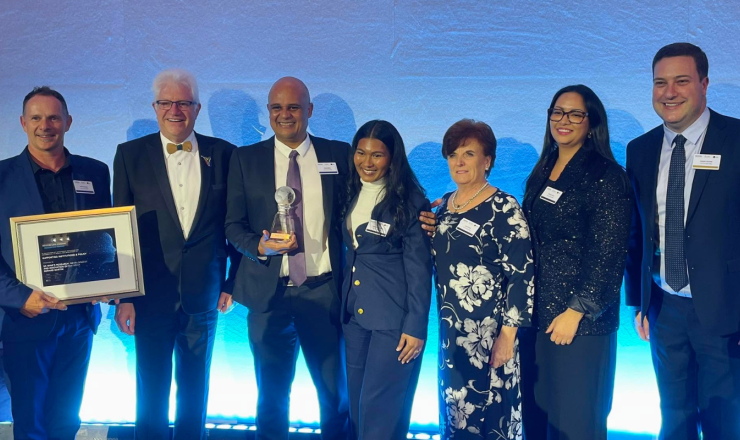
Wine research starts long before the bottle reaches the shelf. It gives producers a better understanding of what happens in the vineyard and cellar, while providing evidence for decisions that can affect the wine consumers eventually drink.
Precision Fermentation: Biotech to balance Flavours, Acid and Alcohol
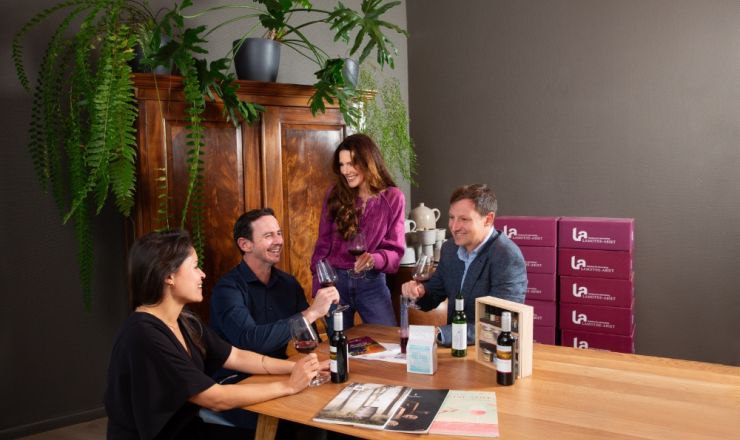
As warmer vintages widen the gap between ripeness and freshness, a new generation of selected yeasts lets winemakers rebalance wine during fermentation, not after.
WBWE – a global business barometer
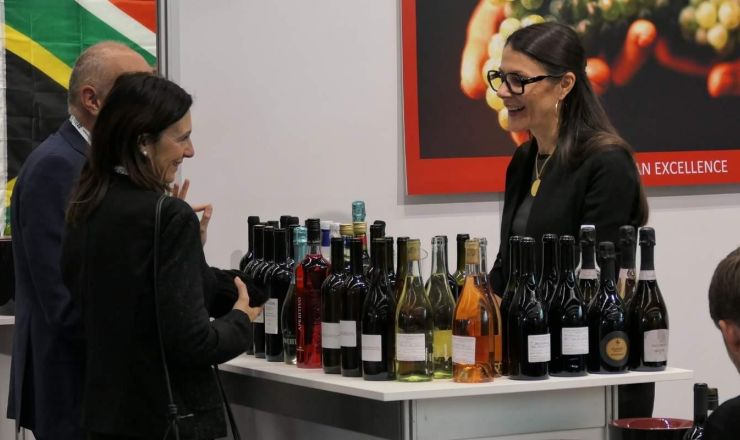
If you want to understand where the global wine industry is heading, don’t look only at retail shelves or export statistics. Look at what is happening in the bulk wine market.