
Western Cape Government welcomes Brandvlei Dam construction
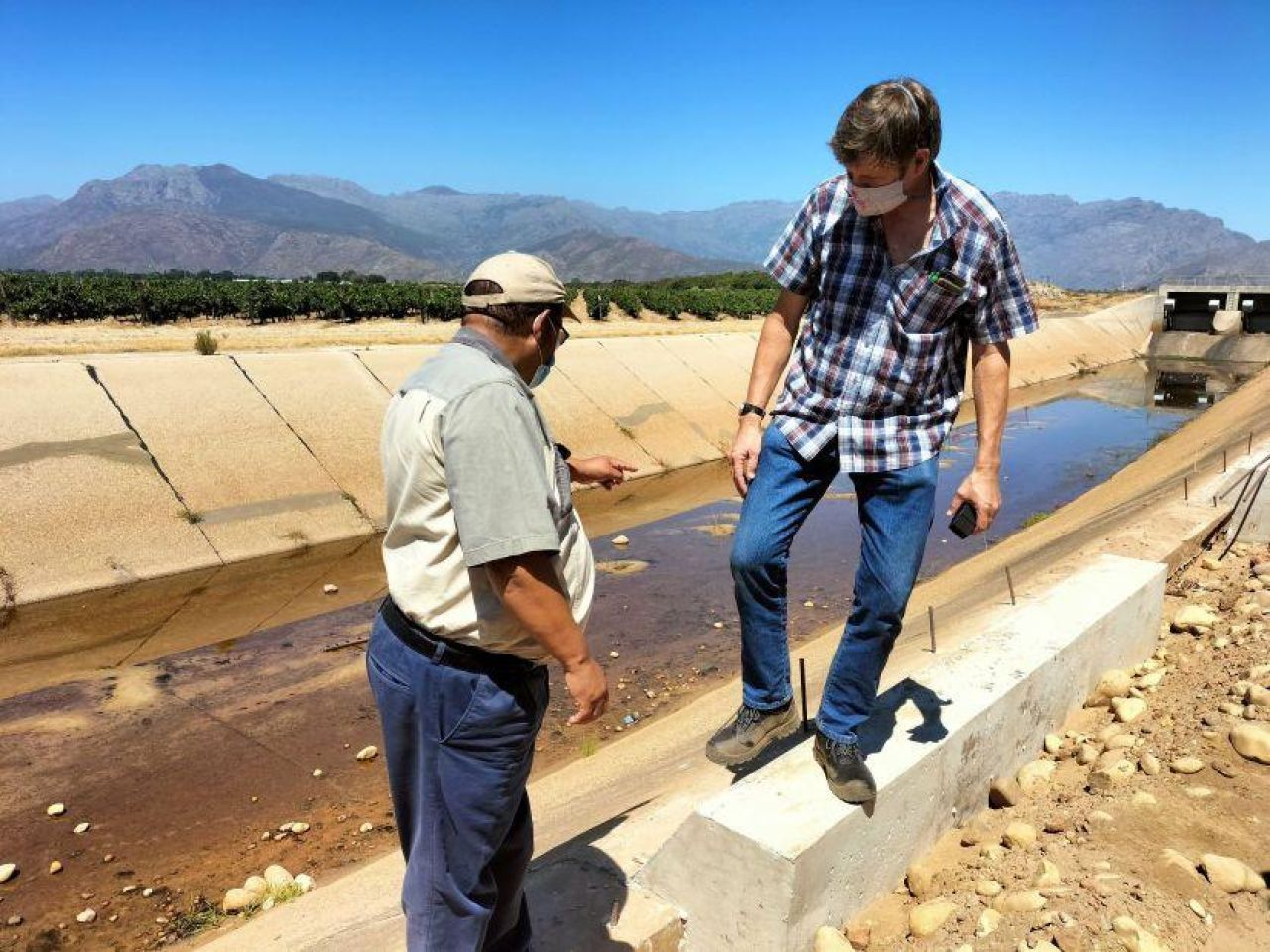
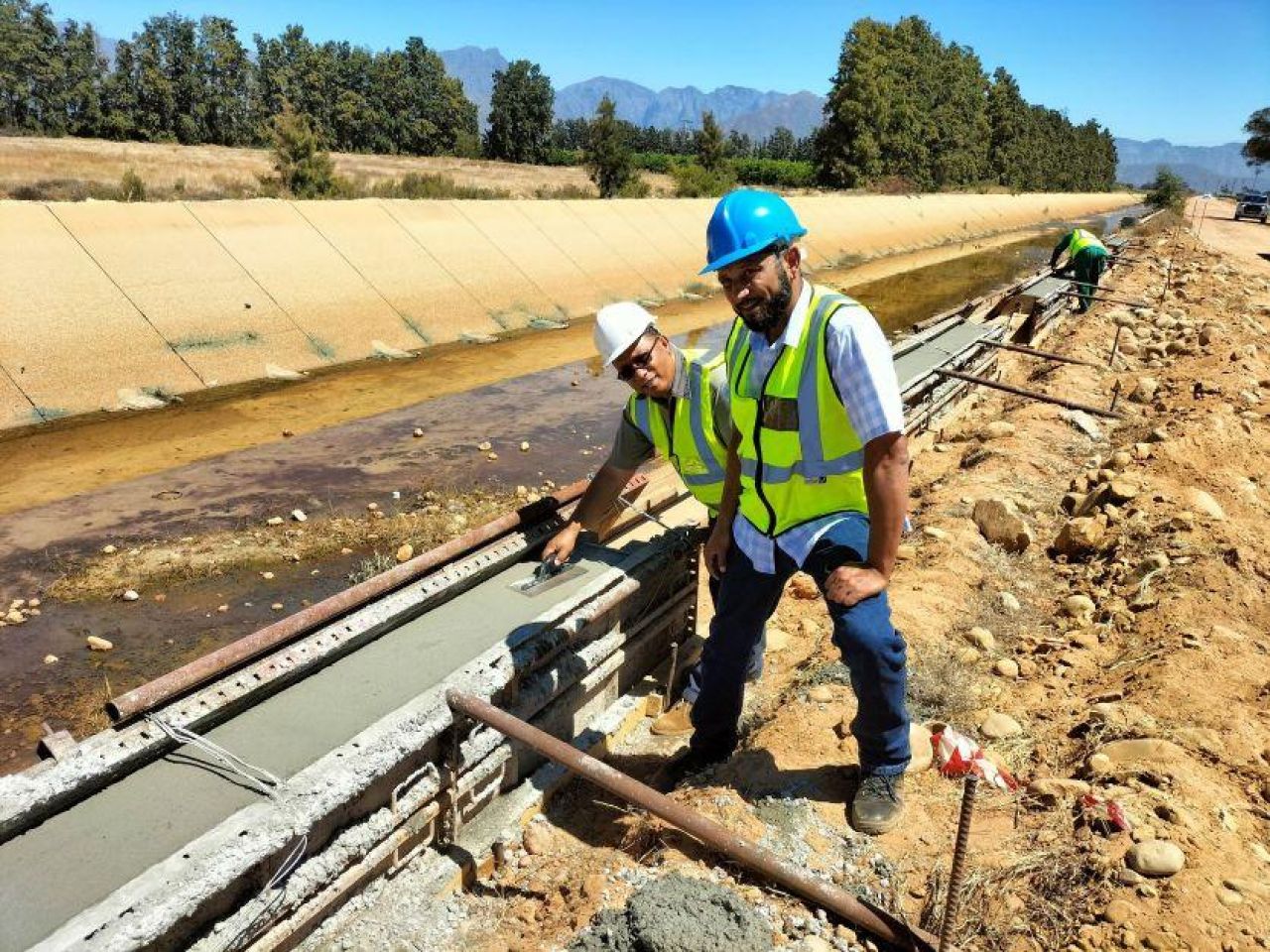
The Western Cape Government warmly welcomes the construction to raise the wall of the 4km feeder canal into the Brandvlei Dam by 300mm.
· 2 min read

After two years of inaction by the national government, construction has finally begun to raise the wall of the 4km feeder canal into the Brandvlei Dam by 300mm. The Western Cape Government warmly welcomes this.
The Western Cape Department of Agriculture has since 2015 worked hard at facilitating an interdepartmental process that ultimately led to this point. This included making sure that all the required information was available and that the needed investigations were completed, such as; developing a Development Framework, addressing environmental considerations, developing proposals on the water license criteria, and hydraulic engineering studies.
Improving the canal’s capacity will increase the water flow into the dam, contributing to an increase in irrigation water and ultimately developing additional agricultural land of more than 4 000 hectares. The construction phase, which will create 32 local jobs, will be completed by June 2022.
Brandvlei Dam: The second phase
A second phase that focuses on applying and evaluating water licenses starts soon. Another critical infrastructure project that, upon completion, will have a significant impact on agriculture is the raising of the Clan Wiliam Dam.
The increased capacity of the raised Clanwilliam Dam will result in 6 000 hectares of additional land being developed for irrigation agriculture of high-value crops. The construction first began in 2014, but progress has been frustratingly slow due to recurring delays. Construction is now set to resume during March 2022.
Agri-Western Cape and the Breedevalley Local Municipality have worked tirelessly to support these critical infrastructure projects. Raising the canal wall at the Brandvlei Dam and the raising of the Clanwilliam Dam is indeed good news for agriculture addressing much-needed water allocation reform, transformation, job creation, and socio-economic development.
Vinpro MD Rico Basson also commented on Twitter: Agriculture can be a catalyst for growth and employment, but need policy certainty and investment.
https://twitter.com/RicoBasson/status/1496508497944629252?s=20&t=CpGEEu5f8m3aUJ0PDye3GA

More from
Markets, business and trade
The next 25 years
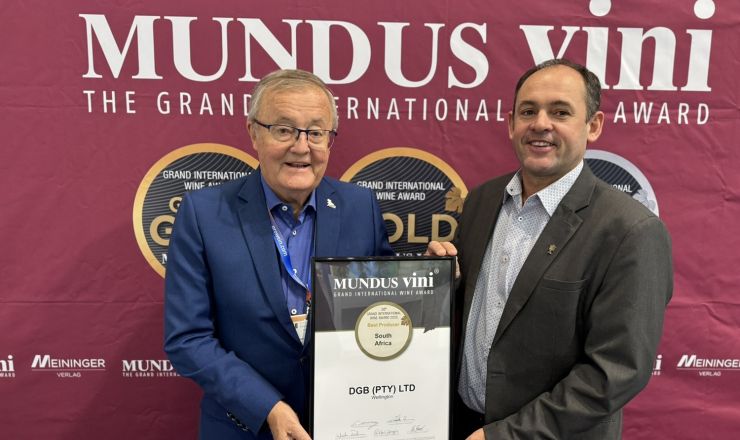
DGB has been recognised by Mundus Vini as its Best South African Producer over the past 25 years. But what will it take to remain successful for the next 25? We asked Executive Chairman Tim Hutchinson about premiumisation, changing consumer behaviour, climate, technology, and where he believes the next opportunities lie.
Paving the way to a sustainable wine trade
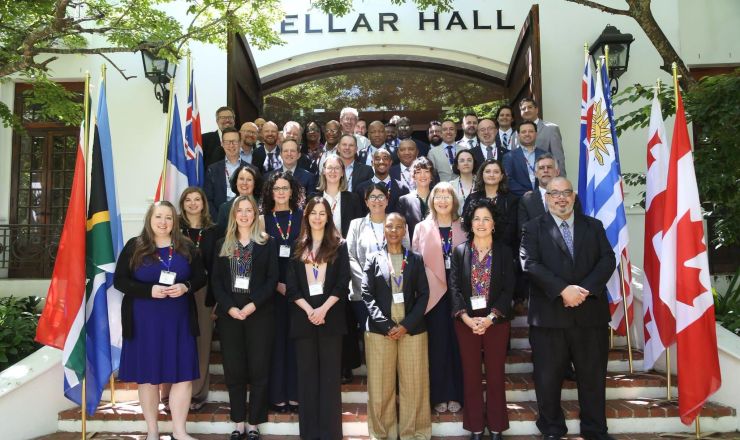
On 2 November 2026, WWTG Governments endorsed principles that governments may take into account to avoid unjustified or unintended impacts on trade for the wine sector related to sustainability policies.

Does Government know what it’s costing you?
A decision made in Pretoria can change the way a wine business operates. But who makes sure the people making those decisions understand what happens on the ground? South Africa Wine’s Jordyn Goeieman takes us inside the often unseen work of influencing the policies that affect the industry.