
With consumer confidence at its highest level in five years, 2025 is looking more optimistic for the South African wine industry
Taking a wider lens, the macroeconomic outlook for the local wine industry hints at slightly brighter days ahead, according to leading distributor Vinimark’s latest Market Review, which was released in the final quarter of 2024.
· 3 min read
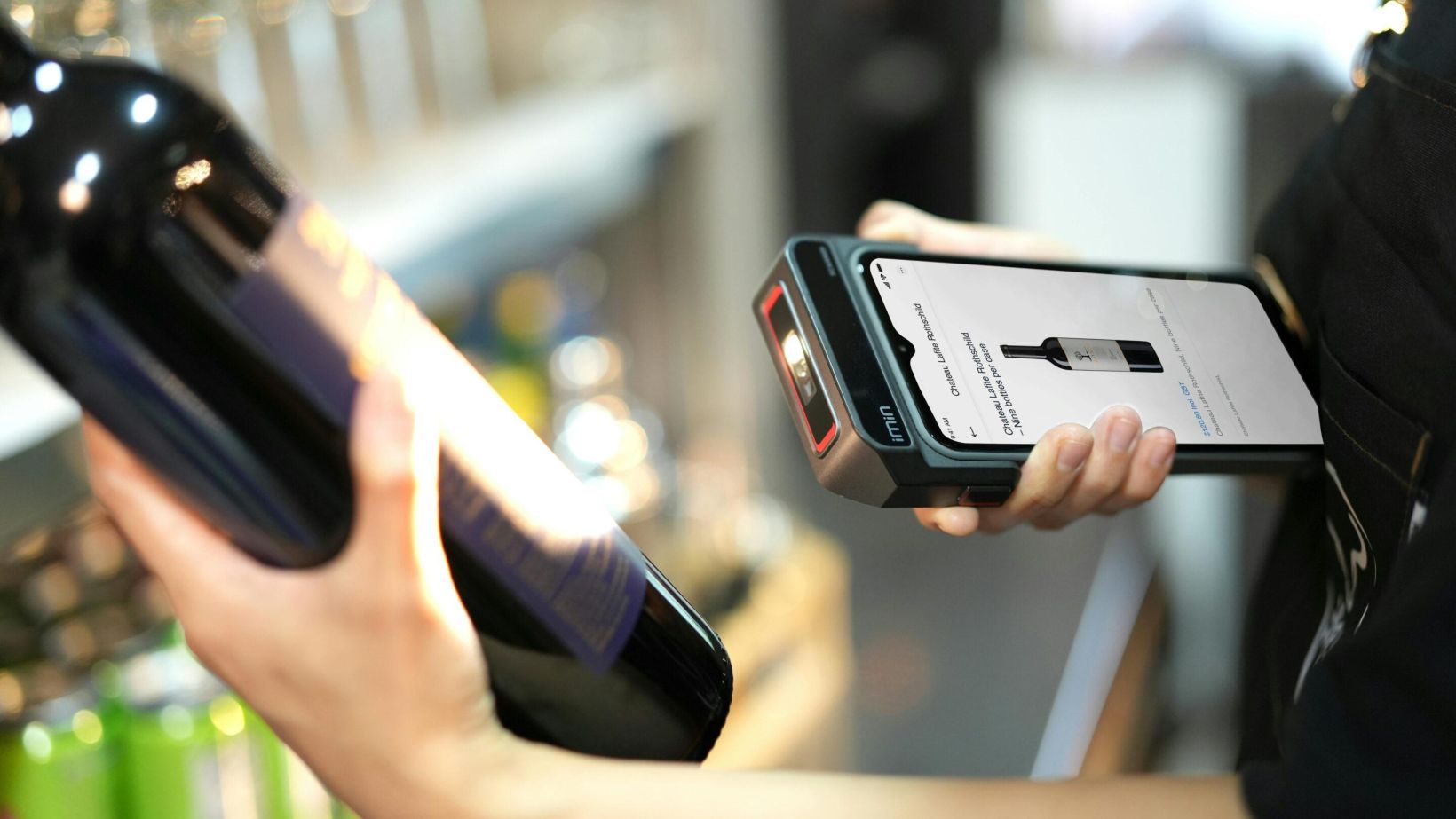
Despite ongoing local and global economic challenges, South African wine producers are demonstrating their resilience by focusing on premium offerings and embracing innovative packaging solutions that open up new avenues for success.
Oelof Weideman, Head of Insights & Business Advisory at Vinimark, notes: ‘The Producer Price Index has hit its lowest point in two years, and the Consumer Confidence Index has climbed to -5, its highest level since pre-COVID days. While a significant boost in consumer spending remains elusive, these trends spark hope for a potential surge in sales as we step into early 2025.’
Despite only a modest 2,2% growth in the FMCG category, this suggests that there is still a disconnect between consumer sentiment and actual spending. Even so, this positive outlook holds promise for wine purchasing trends, particularly in the premium segment.
With approximately R4,6 billion in sales, the 750ml glass category remains the largest in the market, despite experiencing only marginal growth in recent months. Meanwhile, the Bag-in-Box segment continues to dominate volume sales. Far from cannibalising glass bottle sales, Bag-in-Box has contributed an impressive 40 million litres to overall sales and is bringing more wine consumers and drinkers into the category. Whether these consumers will eventually trade up to more premium categories remains uncertain, but the industry can take pride in successfully attracting a new wave of wine drinkers.
Premium wines are enjoying their moment in the spotlight, demonstrating slightly higher long term volume growth than those priced below R80. While this marks an exciting win for brands pursuing premiumisation strategies, it’s a timely reminder that lower-priced wines remain the lifeblood of the industry: a critical foundation that cannot afford to be overlooked.
The spotlight has shifted away from Red Blends, a category that showed promise in mid-2024 but has since plateaued. Chenin Blanc and Chardonnay have shown only slight gains, edging up by 0,2% and 0,8%, respectively. However, Weideman is clear that this is only a miniscule uptick, and does not signal a major opportunity.
Of the overall total of 6 804 wine products available, a mere 361 account for 80% of sales, which translates to just four percent of the overall products accounting for 80 percent of the sales. This concentrated landscape raises an essential question for producers: in a market this crowded, what meaningful value does launching a new product truly offer?
While the numbers paint an optimistic picture, it’s important to scrutinise them with a discerning eye, and question whether the growth is genuinely organic or merely a byproduct of item extensions and increased promotional activity. That said, there are wine brands striking the perfect balance, driving both category and organic growth, setting themselves up for continued triumph. It’s thrilling to think about the possibilities that lie ahead for our producers, as they continue to shape the future of the industry.

More from
Markets, business and trade

Paris is calling. Again.
Wine Paris has become one of the important dates on the global wine calendar. For South Africa, being there matters. But being there with a plan matters more.
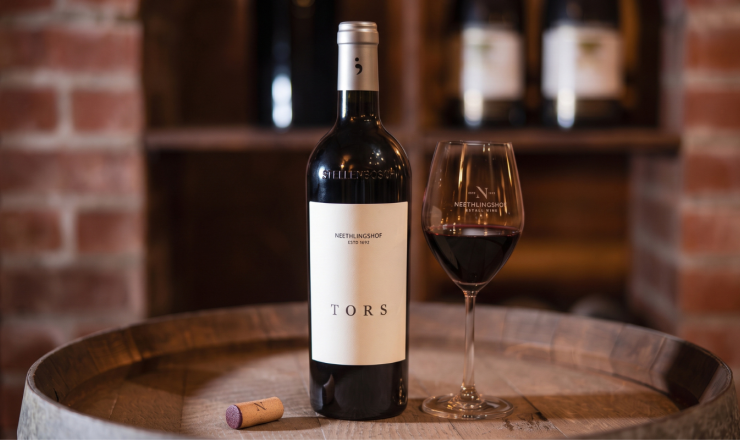
Neethlingshof debuts flagship red 'TORS' with Absa Cape Blend Top 6 Win
Neethlingshof Estate has introduced its flagship red, TORS, marking its debut with a win at the Absa Cape Blend Top 6 Awards for its maiden 2024 vintage. Crafted as the estate’s pinnacle expression, TORS was developed for fine wine collectors seeking a micro-vinified Stellenbosch blend shaped by site specificity and low-intervention winemaking.

The shelf has moved: how AI is changing the way consumers find wine
The way consumers find wine is changing. A decision that once happened in front of a shelf or with advice from a wine retailer can now start with a question typed into an AI platform.