
A living wine heritage
On many South African wine farms, history is part of everyday life. Visitors might taste wine in a cellar that has been used for generations or wander through centuries-old buildings that are still central to the daily running of the farm. These are working spaces that continue to fulfil the…

· 3 min read
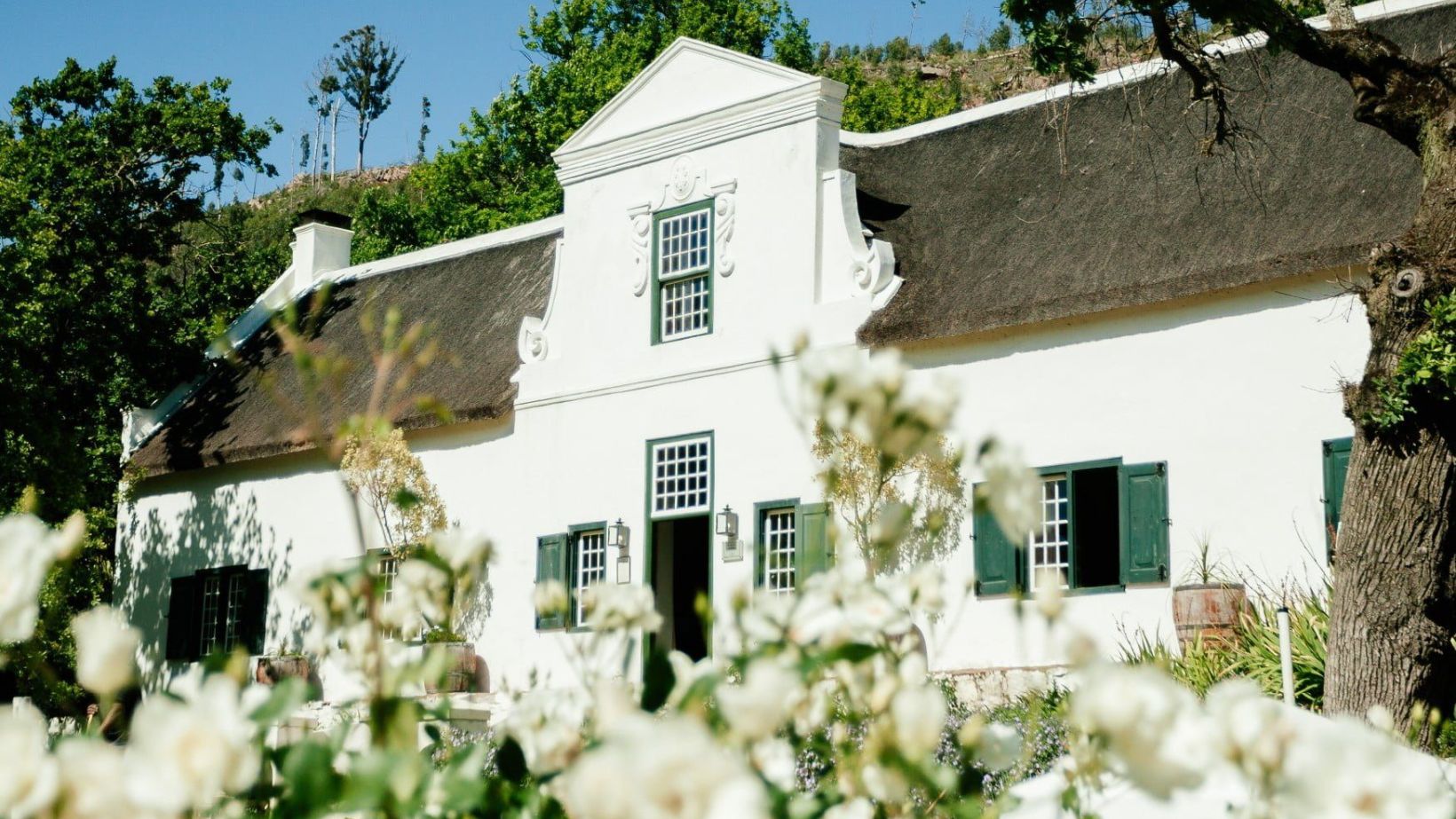
There is something about our wine farms that sparks a natural curiosity. People rarely leave a South African wine farm talking only about the wine. Questions about the architecture or the families who have worked the land for decades are inspired by the buildings and surroundings of the estate. Visitors want to know who built the old cellar or how one generation passed its knowledge on to the next. It is the guides, sommeliers, owners and managers who bring these stories to life, adding another layer to the experience of visiting a wine farm.
Marisah Nieuwoudt, Wine Tourism Manager at South Africa Wine, believes these human-centred stories are what visitors, especially international travellers, remember most.
“Visitors are looking for authentic stories that reveal the people, history and sense of place behind each wine farm. Those stories help transform a tasting into a memorable experience, and storytelling remains one of South Africa’s greatest strengths as a wine tourism destination.”
Many estates have carefully preserved their original farm buildings while adapting them for modern use. Visitors walk through them, dine in them, taste wine in them and experience a tangible connection to the farm’s history. It is this history that offers something that cannot easily be reproduced or bought: authenticity. Every farm has followed its own path and left its mark through the decisions and traditions of each family and the workers who contribute to its uniqueness. That is one of the reasons so many people return to South Africa’s wine regions.
Wine tourism also encourages travellers to spend more time exploring these regions, supporting local restaurants, accommodation providers and other tourism businesses while building a lasting connection with individual estates. Many visitors combine wine experiences with local markets, museums, hiking trails, art galleries and cultural attractions. As they move through different towns and valleys, they discover that each region has its own character and history, often staying an extra day or planning a return visit.
“Wine tourism is an important economic driver for our industry. Increasingly, international travellers explore our wine regions through both wine and food, discovering the history, cultures and traditions that make each destination distinct. Together, they tell the story of South Africa in a way that neither could on its own,” says Marisah.
Wine will always be at the heart of a visit, but heritage gives people another reason to return.
Food is an equally important expression of this living heritage. Across the Winelands, visitors encounter recipes, ingredients and culinary traditions shaped by Indigenous knowledge, Cape Malay influences, European settlers and contemporary South African creativity. Paired with locally produced wines, these experiences reveal how heritage continues to evolve rather than simply being preserved.

More from
People, community and tourism
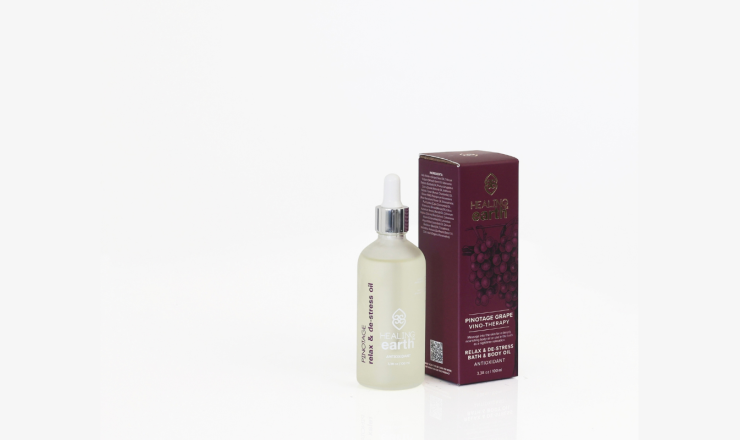
From vineyard to spa: Why Pinotage is more than just a wine grape
In our print feature, Heavenly Scent, we explored the spa experience at Healing Earth Wellness at Laborie Estate. But that experience starts long before you step into the treatment room. It starts in the vineyard. So why Pinotage? What is it about this proudly South African grape that has earned a…
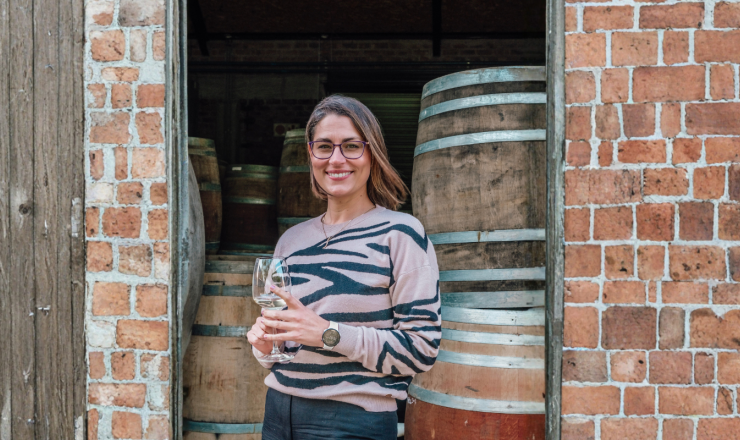
Vyf vrae met Hendrien de Munck
Wynmaak lyk van buite na ’n romantiese beroep, maar agter elke bottel skuil ure se harde werk, besluite en toewyding. Hendrien de Munck, wynmaker van Maia Wines, deel haar perspektief op die realiteit van wynmaak, kreatiwiteit in die kelder en waarom sy glo daar is nog groot potensiaal vir…
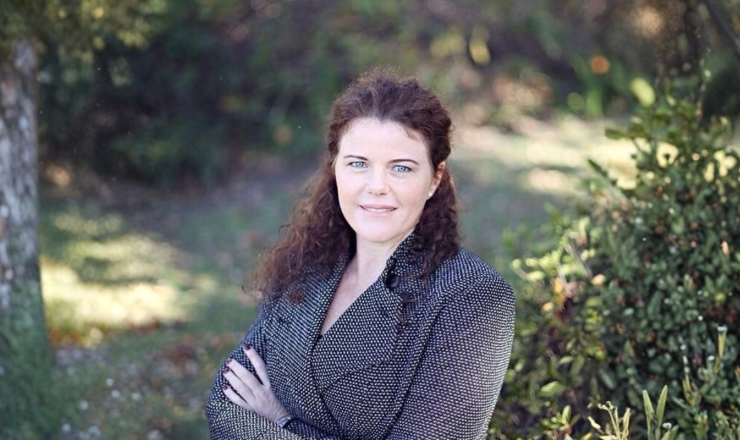
Five questions with Liandra Kotzé
“Consumers haven’t stopped loving wine. They’ve changed how they choose it.” Wine marketers spend a great deal of time asking how to sell more wine. According to Vinimark Brand Portfolio Director Liandra Kotzé, the better question is whether we’re listening closely enough to the people we’re…