
Four days. Three students. One vineyard problem.
Three Stellenbosch University students had four days to turn unfamiliar agricultural data into something a farmer could use. They won the TerraClim ET-GEO Hackathon, but the bigger question is whether their idea can make the leap from computer screen to vineyard.

· 5 min read
Knowing when to irrigate is one thing. Having the right information to make that decision is another.
Rainfall, weather conditions and satellite observations can all tell part of the story. But bringing that information together in a way that helps a farmer decide which vineyard blocks need attention is not necessarily straightforward.
Enter three computer science students who, until recently, knew very little about farming.
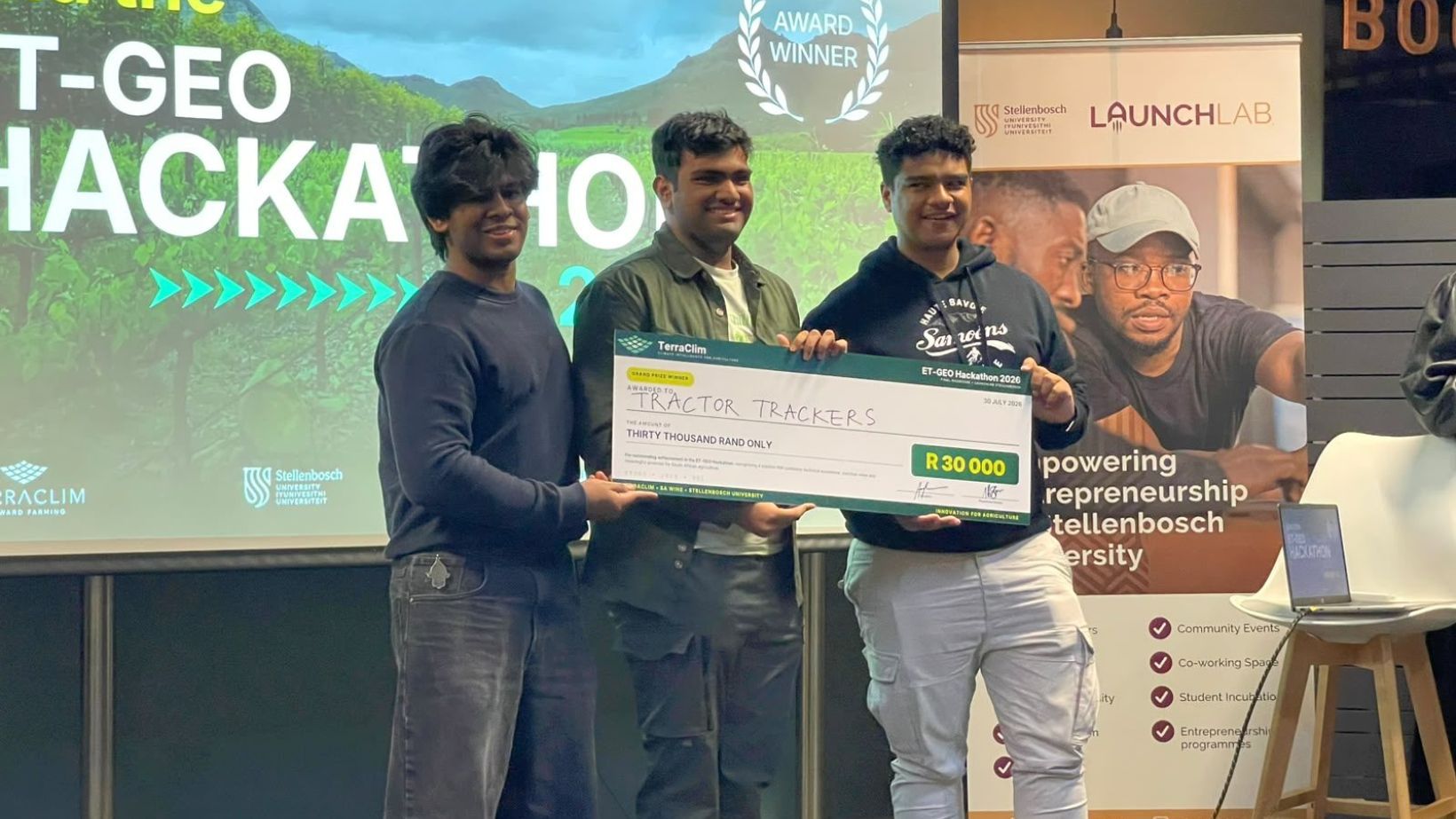
Amaan Nadvi (22), Ameen Dawood (21) and Tarique Mackay (22) were studying towards their Honours degrees at Cape Town University when they entered the TerraClim ET-GEO Hackathon. Four days later, their team, Tractor Trackers, had built a web application designed to help farmers interpret rainfall and satellite data to plan irrigation. They also walked away as the competition’s winners.
Not bad for three students whose research normally has little to do with vineyards.
Learning the vineyard before writing the code
Amaan and Ameen work on research involving the automated annotation of children’s speech, while Tarique studies evolutionary theories using artificial life simulations. Agriculture was unfamiliar territory.
The team’s first challenge was not programming but understanding what the information meant. They had to work through agricultural terminology, unfamiliar calculations and relationships between different data sets before they could decide how to present the information in a useful way. And they had just four days to do it.
Amaan says the team worked particularly hard during the first two days to build the initial system, leaving the remaining time to refine the application. The result was a prototype intended to bring rainfall and satellite data together in one place, helping farmers identify vineyard blocks that may require irrigation. The application measures and calculates how much water is currently held in the soil, giving farmers a clearer picture of their water reserves and an early warning when vines are approaching water stress.
As Amaan explains, “The app measures and calculates how much water is currently held in the soil, which gives farmers a clear picture of their water reserves and an early signal when the vines are heading toward water stress.”
It then recommends irrigation strategies based on the conditions the farmer is facing. When water restrictions are lenient, the application can recommend a strategy focused on maintaining grape flavour and quality. During dry periods or drought, it shifts towards a more conservative approach that aims to protect the vines while preserving water for a dry or unexpected season. This helps farmers balance fruit quality today against the need to retain water for later in the year.
The farmer still knows best
For all their enthusiasm about technology, the students are not suggesting that a computer should make every irrigation decision. “Every farmer has that personal touch to it. So, we can’t just take their role and completely automate it,” says Amaan.
That thinking influenced the application. Rather than overwhelm users with data, the team wanted to present information in a way that could support decisions already being made in the vineyard. Ameen says that creating something practical was important, particularly given that viticulturists were among the hackathon judges. The information must be understandable, relevant, and useful when someone needs it.
Prof Adriaan van Niekerk, director of the Centre for Geographical Analysis & GeoSmart Space, says the competition was fierce, with the judges debating for a long time over first and second place.
“Tractor Trackers eventually stood out because the team considered both sides of the vineyard water balance. While most teams estimated vine water use using actual evapotranspiration, Tractor Trackers also allowed growers to enter how much irrigation they had applied and calculated the resulting water deficit,” he says.
This gave the application a practical advantage, turning a satellite-based estimate into information growers could use when planning their next irrigation.
From hackathon to working farm
Winning the competition was one thing. Finding out whether the application works in practice is another. The students want to test their idea with farmers and understand how it fits into everyday vineyard management. Amaan plans to continue working with Tokara to further develop the system, while Ameen is exploring a possible internship to learn more about agriculture. The prize money is being used to support further development, including hardware and skills.
And the next challenge is not only technical. Farm information can be commercially sensitive. Weather records, soil conditions and other vineyard data may reveal more about a farming operation than producers are comfortable sharing, and the team recognises that any future development will have to respect those concerns and ensure that information from different farms is handled appropriately.
There is also the question of trust. A farmer who has spent years learning the behaviour of a vineyard may not immediately accept recommendations from a new application, particularly one developed by people who are still learning about agriculture themselves. That makes testing, feedback and collaboration essential. And the students know they need to spend time with the people who would use their technology.
A different way of looking at a familiar problem
Although technology takes centre stage in this story, the most interesting part of the Tractor Trackers story is where the idea came from.
Three students approached a wine industry challenge without years of experience in viticulture or irrigation. They brought a different set of skills, asked questions and tried to make unfamiliar information useful. It does not mean they have solved irrigation management. Their application still needs development and testing before its value on a working farm can be established, but the experience has already changed how they think about their work.
“The most incredible thing about the whole experience was just seeing an actual person say, ‘This would be really helpful to me,” says Amaan. “The best kind of products we can make are ones that actually help people and better their lives.”

More from
People, community and tourism
What’s next for Waterford Estate this season
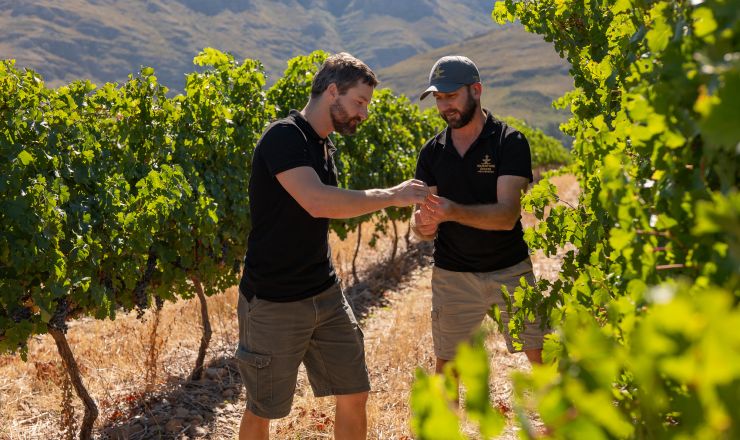
There’s plenty in the pipeline at Waterford Estate. New wines are on the way, the Porcupine Trail has grown, the restaurant has some new faces, and a herd of Dexter cattle is lending a hand in the vineyards. It’s a busy next chapter, but one that builds on what Waterford already does best
Vyf dinge wat jy by SKOP kan leer
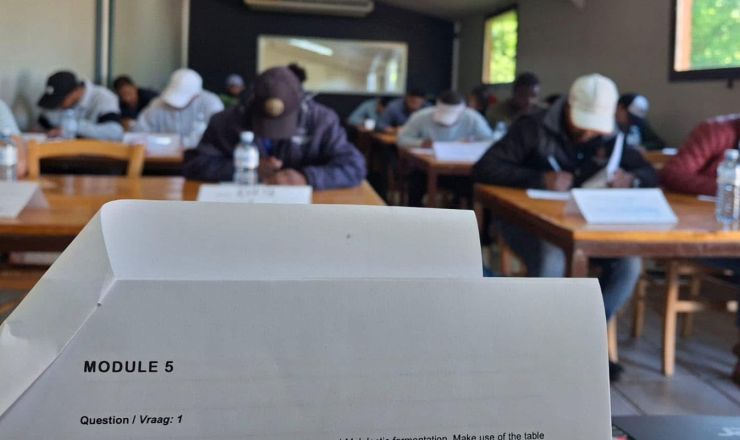
Joseph Gertse is ’n kind van die wynbedryf. Sy reis het op L’Ormarins begin, waar sy ouers, Karel en Magda, in die wingerd en kombuis gewerk het.
The Portrait of a South African Winemaker
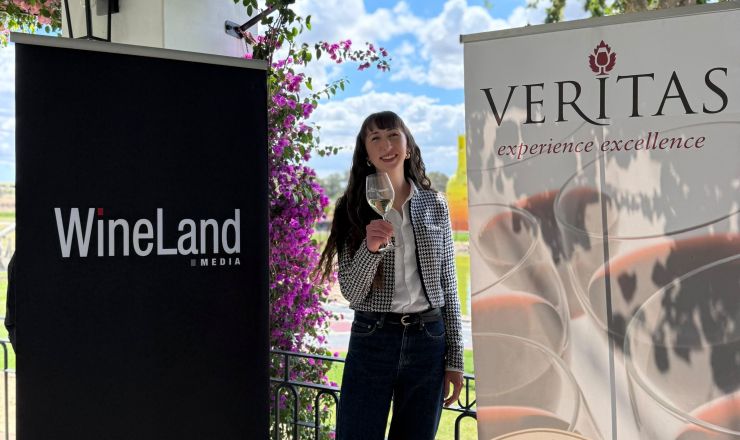
In James Joyce's A Portrait of the Artist as a Young Man, Stephen Dedalus resolves to express himself "as freely as I can and as wholly as I can". Joyce's hero refuses to be just one thing. That same many-sided energy is increasingly being asked of the modern South African winemaker, who has to adopt different faces for different places.