
Heritage on a plate
Marvin Robyn grew up in Idas Valley, Stellenbosch, where he was raised by his mother, Elizabeth, and grandmother, Yvonne, after his father, Mark Anthony, a police officer, passed away when he was five. Yvonne was a caterer and, inspired by her cooking, Marvin developed a love for the kitchen from…

· 4 min read
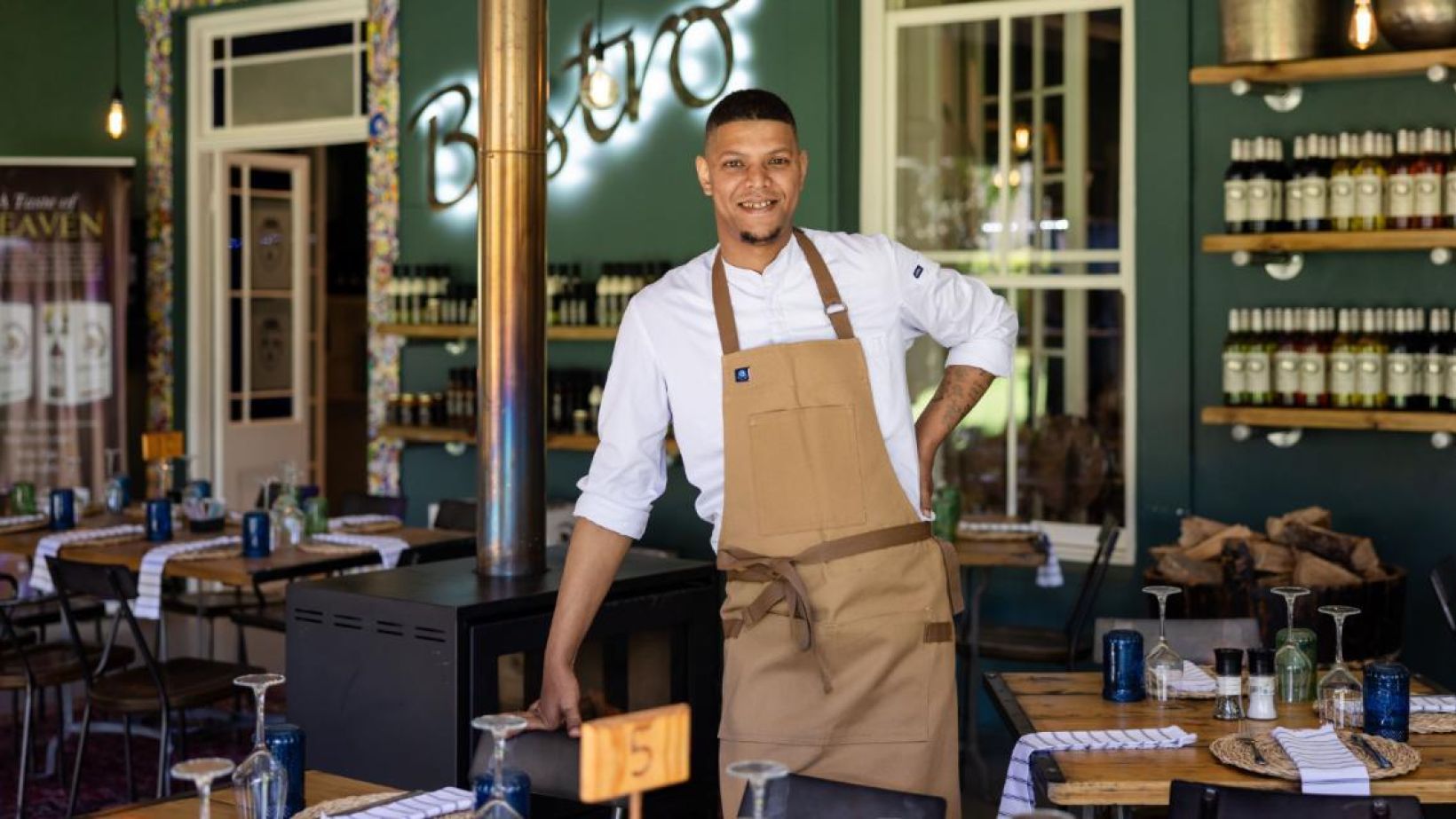
After high school, he enrolled in Hospitality at Boland College, but had to leave due to financial constraints. He started working on Kelsey Farm and, in 2011, joined a chef training programme where he finished at the top of his class. His internship at The Apprentice Restaurant marked the real start of his culinary career.
Marvin worked for some of the best Cape Winelands chefs, including Chef Lucas at Cuvée Restaurant, who encouraged his growth. Marvin joined Lucas again as Sous Chef at Makaron Restaurant, which was shortlisted among Eat Out’s Top 30 Restaurants in South Africa.
He believes in simple cooking that is seasonal and lets ingredients shine, yet likes to include a little surprise to make his dishes exciting. Early-morning surfing and rock fishing with his uncle Daniel, which involved waking up each morning before sunrise, not only taught him patience, but also a high regard for fresh seafood. This still inspires his cuisine at Grande Provence, where he’s been employed since late 2018.
Which wines or grape varieties pair well with your bistro-themed or South African-inspired dishes?
Most South African wines marry naturally with the flavours of my dishes. Think, for instance, of a Pinotage or Syrah to serve with a crusted springbok loin, grilled mielie pap, chakalaka purée, and buchu jus. Both wines provide earthy spice and aged fruit undertones that complement game meat’s dense, heavy flavour. It is a combination that reminds one of South Africa’s scenery in the plate and the glass.
How does wine enhance the taste of dishes from overlooked ingredients or reduced-cut meat?
I prefer to use wine as a secret spice, particularly when preparing foods using ingredients others might not classically choose to cook with, such as beef shin or skilpadjie. Wine will lift these ingredients to make them the centre of attention. A classic example of this is a robust red, which will enrich the flavour, tenderise the texture of slow-cooked beef shin, and transform the ordinary into the divine.
Do you have a signature dish and wine pairing that embodies your cooking philosophy?
One of my favourite dishes is crusted springbok loin with coriander. I love how it’s served with griddled mielie pap, chakalaka purée, and buchu jus. I would pair it with a Grande Provence Pinotage. The wine has a rich, smoky character that complements the spicy and rich flavours of the dish really well. It’s full-bodied and nicely embodies the essence of South African cuisine.
How important is it to include sommeliers or winemakers in creating a menu where the food and wine complement one another?
It requires teamwork with our winemaker, Thys Smith, and sommelier, Joshua Meyer. Food and wine should go together like “pie en slaai.” A good sommelier has excellent knowledge of vintage, style, and structure, which helps find the ideal balance to support both dish and wine. It’s a question of equilibrium, respect, and common passion to forge unforgettable experiences.
How can wine help present traditional South African or African cuisine in a novel, unexpected way?
Wine allows you to enjoy South African food on a whole new level. A fresh Chenin Blanc with seafood will maintain the freshness of the fish, and a full-bodied Pinotage with venison will reveal earthy, rich undertones. It’s those surprising variations in the blend that will make it an attraction. It’s being respectful to our tradition and heritage, and taking what we know and what is native and making something new and exciting.
How can wine and food experiences contribute to celebrating heritage, seasonality, and storytelling in South Africa?
I believe South African food and wine are increasingly about respecting our origins. People want to experience local produce, and maybe even more so, they want to be told a story about it. It’s not just about flavour; it’s about identity. For me, it’s about using our heritage and traditions to create food that tastes authentic, earthy, and uncompromisingly South African.
What is the secret to being a great chef?
The recipe is to be curious and never think you know everything. You must respect the ingredients, Mother Nature, and your employees, and keep learning daily. I believe a master chef is not so much about complex techniques but rather passion, hard work, and consistency.

More from
People, community and tourism
Hoe om herlewingslandbou te laat leef
'n Twee-dag sessie deur WIETA and Stronger Together South Africa op etiese leierskap vir kelders, plase en handelsmerke by Lourensford en Du Kloof Lodge het insigte oor herlewingsboerdery opgelewer.
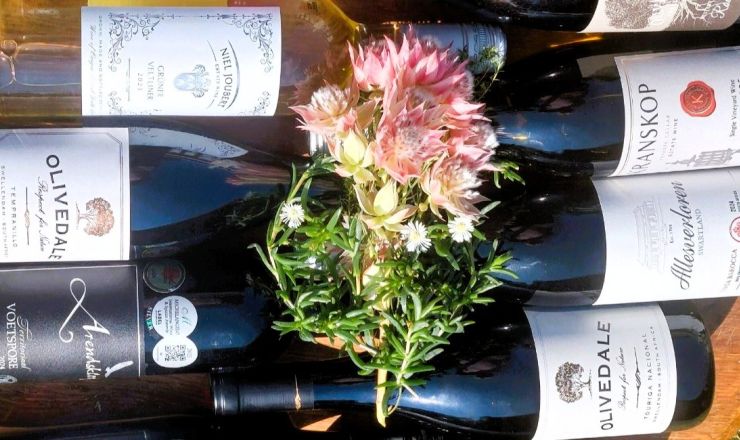
Results of the Niche Varieties Challenge 2026
The Niche Varieties Challenge took place again in 2026 to give innovative niche wines a more visible platform and to highlight the diversity developing beyond South Africa's mainstream cultivars.
Are wine clubs in South Africa still relevant?
A bottle of wine is rarely just about what is in the glass. Sometimes it is about the people around the table, which may explain why wine clubs have managed to stick around. The Blaauwklippen Blending Competition offers a glimpse into why this old-school tradition still has a place in a changing…