
Kitchen rookie to head chef
Lucas Carstens was born and raised in Pretoria, and later found his roots in Nelspruit, now known as Mbombela. Surprisingly, he never really thought about becoming a chef. Not knowing where to go in life, he decided to study culinary arts at the Training Institute of Culinary Arts (ICA) to learn a…

· 4 min read
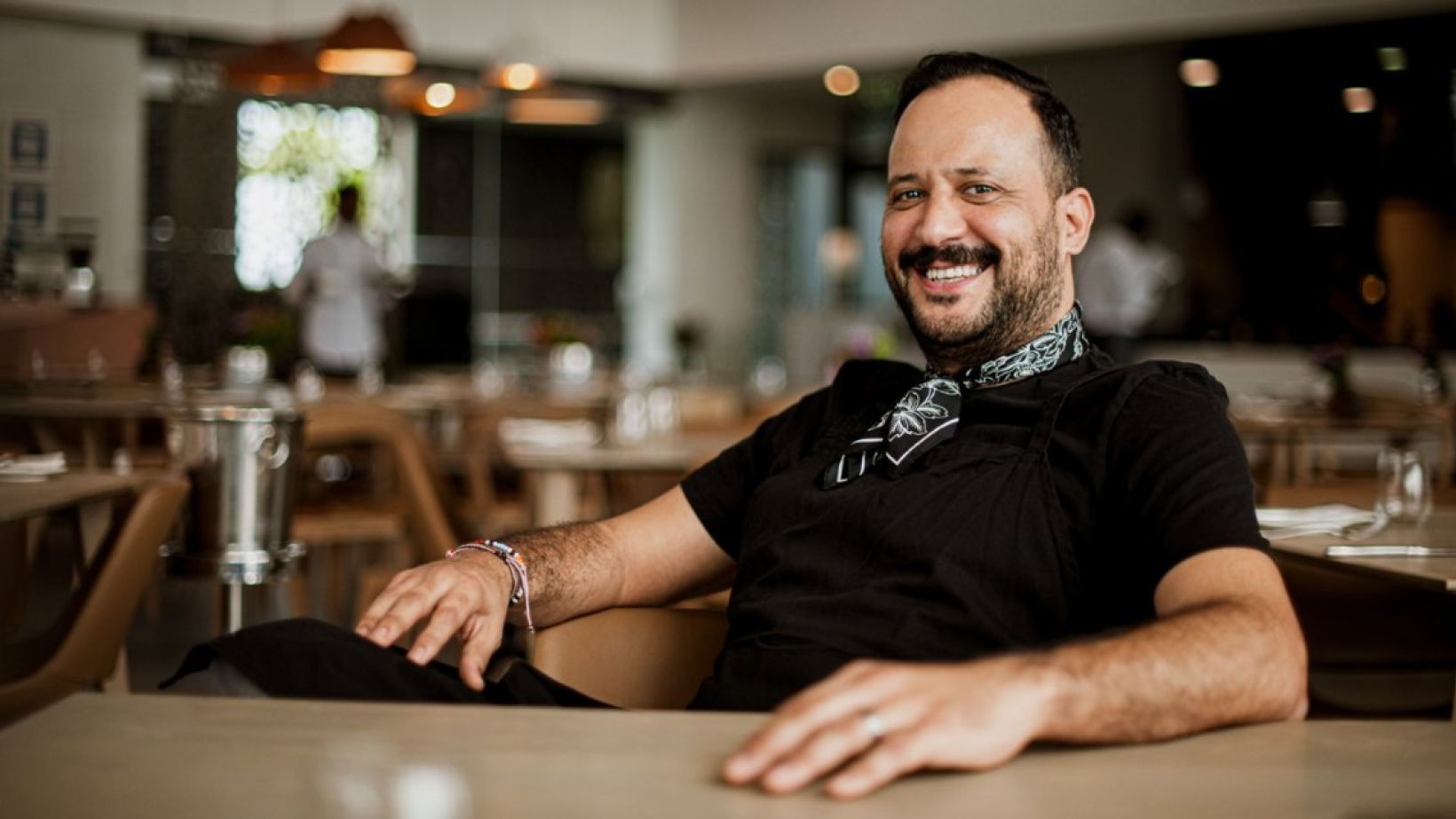
At first, he didn’t enjoy cooking all that much. However, everything changed during his second placement at Reuben’s in Franschhoek, where he worked with Sous Chef Willie Malherbe. Under Willie’s guidance, Lucas found a genuine love for food and ingredients. For the first time, he truly enjoyed his work and knew that cooking was the path he wanted to follow.
After finishing school, Lucas had key career moments, starting with his time at Terroir, which was voted the best restaurant in South Africa in 2006. In 2011, he landed his first Head Chef position at Simonsig, a big milestone. He worked at Majeka House from 2015, but since 2017, he’s been part of the team at Cavalli.
Lucas has been nominated for various awards, including the Eat Out Top 30, and has won several AMEX Fine Dining Awards. He has never chased after accolades – his true goal is to create food that people enjoy – but the recognition is welcome, especially for the restaurant owners, since it helps with marketing and drawing in more guests.
His love for food and wine pairings began at Simonsig, where he helped host wine pairing dinners and events for the Cape Winemakers Guild. This experience allowed him to learn from talented winemakers like Hannes Storm, Debbie Thompson, and Johan Malan, fuelling his passion for combining food and wine.
Why is it important for a chef, especially at a wine estate like Cavalli, to have a deep understanding of wine?
I believe every chef should have a solid knowledge of wine and pairings. It’s an important part of a chef’s career, especially when working on a wine farm. Food and wine are meant to go hand in hand. When paired well, they can truly elevate each other and create a far more memorable dining experience.
How does wine knowledge inform your creative process, from flavour development to menu design?
When it comes to menu design, I focus on the food and flavours. That’s what matters most to me. I don’t let the wine dictate the menu unless we do specific food and wine pairings. In most cases, the wine pairing comes after the dishes have been developed.
This September, what is one Cavalli wine and food pairing that you think will truly delight guests?
Guests can look forward to one of my signature dishes that have been on the menu for the past four years: cured langoustine served on a butternut disk, dressed with a butternut dashi, and finished with a rich smoked fishbone velouté. It’s a deeply flavourful, comforting dish that’s become a favourite. We pair it with Cavalli’s Reserve White – a blend of 60% Chenin Blanc, 30% Verdelho, 5% Chardonnay, and 5% Viognier. The wine beautifully enhances the dish and is equally lifted by the pairing in return.
What makes this pairing particularly memorable or special?
The dish’s flavours beautifully enhance the profile of our flagship white, bringing out the wine’s texture, layers, and sense of place. A true expression of our terroir.
Cavalli places strong emphasis on sustainability and ethical sourcing. How do you and the sommelier collaborate to ensure that food and wine pairings reflect this ethos and honour the Cape’s diverse wine regions?
Justin Munjanja, our sommelier, and I work closely together. We constantly collaborate, discuss wines, and bounce ideas off each other. This ongoing process shapes the experience we offer.
Do your dishes help guests appreciate South African wines in a new light? In what ways have you contributed to telling Cavalli’s wine and food story?
I wouldn’t say my dishes are designed to steer guests specifically toward South African wines, but our overall offering naturally leans that way. Our wine list is proudly South African-focused, and the team excels at championing Cavalli’s wines. Their knowledge and enthusiasm help showcase local wines’ strength and diversity, making them a natural choice for our guests.
How do you see the future of food and wine tourism in South Africa, especially as travellers seek more meaningful, locally rooted, and sustainable experiences?
South Africa has a bright future in both food and wine. Our produce and wines are truly world-class. I’ve travelled abroad and experienced what other countries offer, and I can confidently say that what we have here in South Africa stands among the best. Local is lekker, and we should be proud of it.
What is the secret to being a great chef?
There’s no secret formula to being a great chef. It comes down to honesty, hard work, and respect for your ingredients. Cook with integrity, stay curious, surround yourself with people who inspire you, and always aim to improve. And of course, a little bit of luck never hurts.

More from
People, community and tourism
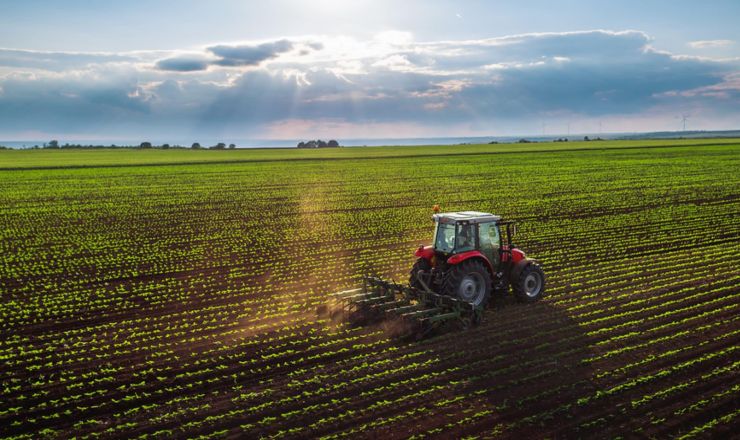
Hoe om herlewingslandbou te laat leef
'n Twee-dag sessie deur WIETA and Stronger Together South Africa op etiese leierskap vir kelders, plase en handelsmerke by Lourensford en Du Kloof Lodge het insigte oor herlewingsboerdery opgelewer.
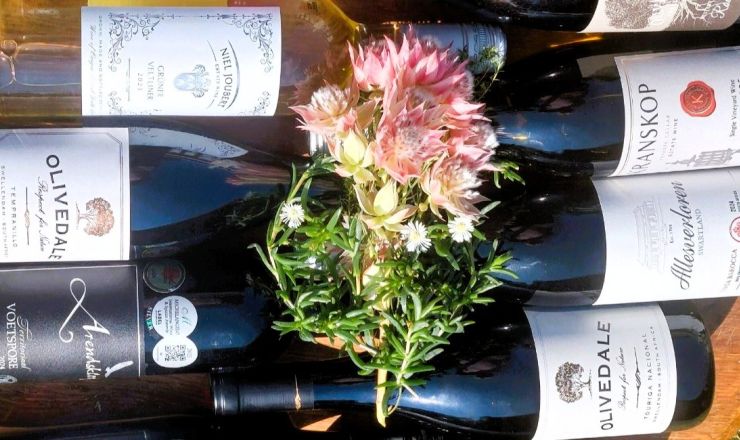
Results of the Niche Varieties Challenge 2026
The Niche Varieties Challenge took place again in 2026 to give innovative niche wines a more visible platform and to highlight the diversity developing beyond South Africa's mainstream cultivars.
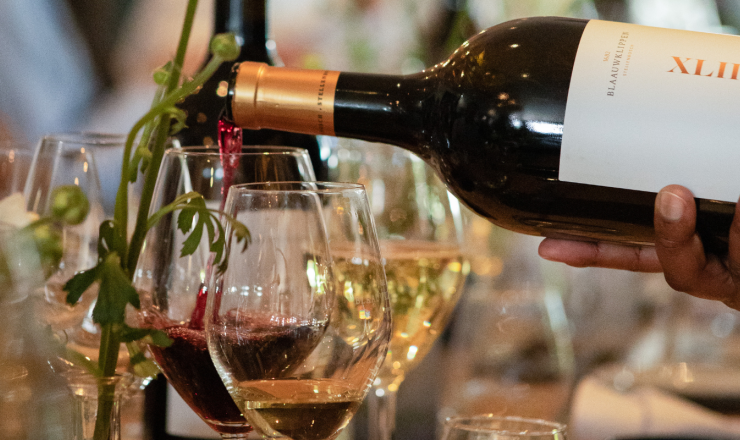
Are wine clubs in South Africa still relevant?
A bottle of wine is rarely just about what is in the glass. Sometimes it is about the people around the table, which may explain why wine clubs have managed to stick around. The Blaauwklippen Blending Competition offers a glimpse into why this old-school tradition still has a place in a changing…