
Luke Barry on food and wine

· 5 min read
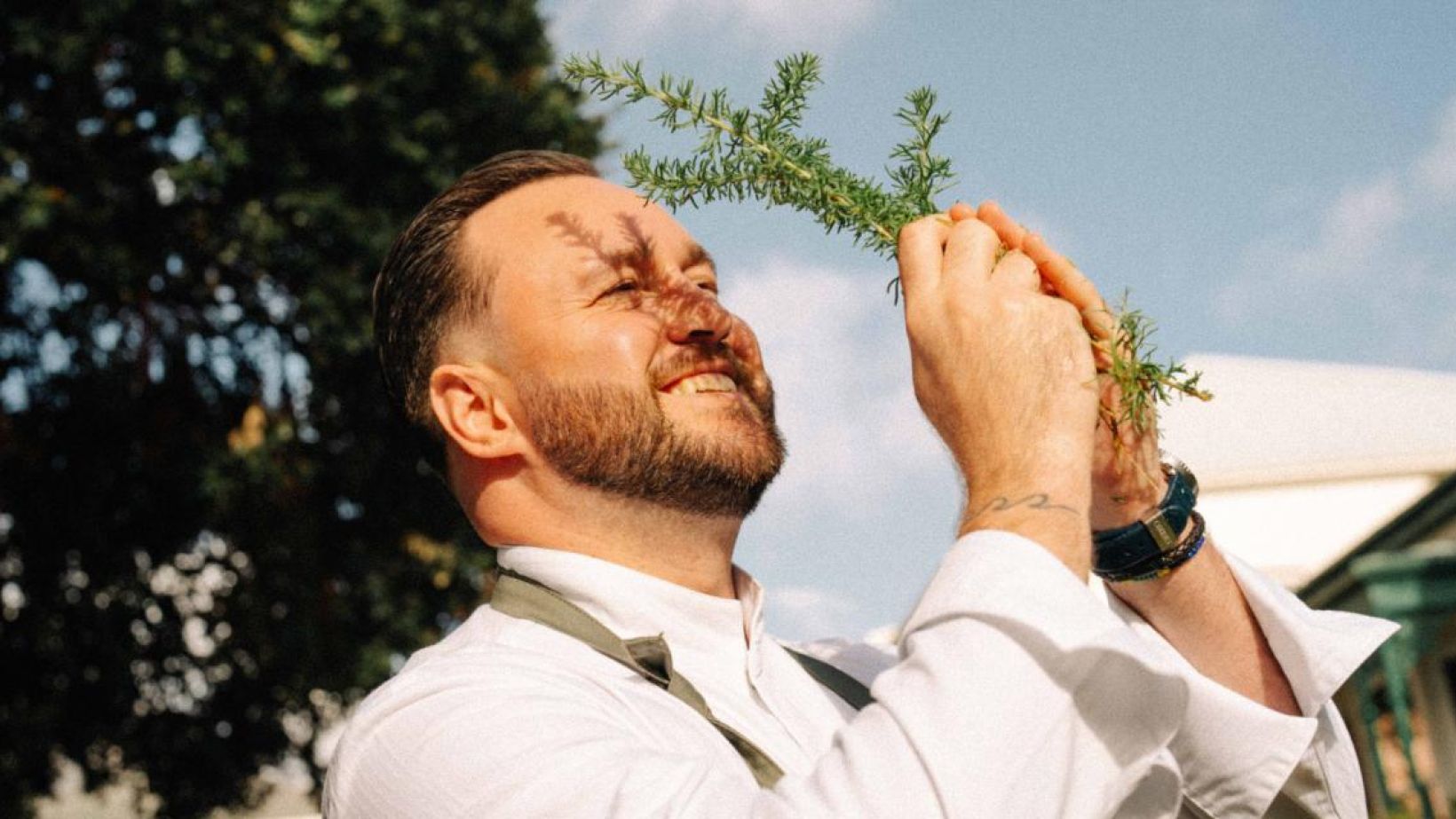
Chef Luke Barry’s culinary career began in his hometown, Cape Town. He has always been passionate about food. After school, he studied at the South African Chefs Academy under chefs Paul Hartmann and Garth Stroebel, graduating in 2010. His first job was at the One&Only Hotel in Cape Town before he decided to explore the world and test himself in a major food city – Hong Kong. He joined the Black Sheep Restaurant Group, a company with a large portfolio of restaurants from casual dining to Michelin-star establishments. During his six years with the group, he led several culinary teams, helped run multiple restaurant programmes, and participated in several openings.
Moving abroad into the unknown was a milestone on its own, but it allowed Luke to grow on a personal and professional level. The experience taught him how to manage teams, maintain consistency across concepts, and adapt to different food cultures.
Luke returned to the Mother City in May last year to join Mount Nelson Hotel as an executive chef. It was a special homecoming, as it was the very place where he graduated on the hotel’s lawns years earlier. Now, leading its kitchens, he aims to honour Mount Nelson’s long-standing legacy while celebrating South Africa’s best local produce and the people behind it.
How do you pair South African wines with your dishes, particularly when creating menus that highlight local, seasonal ingredients?
Chefs and sommeliers need to have a close relationship. South Africa has great produce and some of the best wines in the world on our doorstep. Local and international tourists alike expect a great dining experience that combines great food and superb wines. It’s therefore essential to marry these two in our environment.
Are there specific grape varieties or wine styles that naturally complement the modern South African flavours you present at Mount Nelson?
Chenin Blanc is the most famous grape variety in South Africa, and is high-yielding and adaptable. It produces dry, crisp whites, sweet, rich styles, and sparkling wine, too. Together with Cabernet Sauvignon, it represents a point of pride for South Africa. We encourage local food and seasonal produce prepared through traditional cooking methods in honour of these grapes. This slogan is the way of life at Mount Nelson Hotel.
Can you share a signature wine and food pairing from Chef’s Table or another Mount Nelson experience that represents your culinary philosophy?
Our team updates the menus regularly to reflect seasonal and peak ingredients. The recently redesigned Fountain Restaurant is nestled in our gardens, featuring local producers and ingredients. Food and drink menus are 100% locally sourced, such as an artisanal burrata dish with a dry Stellenbosch white wine.
How important is working with producers, winemakers, or sommeliers in crafting a culinary experience that brings food, wine, and storytelling together?
Coordination is essential to harmonise food, wine, and narrative. Sommeliers map the pairing, winemakers draw the wine’s personality, and producers screen ingredient quality. All combine to produce an integrated experience that spans the plate, glass, and individuals behind it.
How can wine help individuals connect with South African food in new or surprising ways?
Wine can help one appreciate South African food more by bringing to the forefront its tremendous flavour, cultural, and terroir diversity. The particular combination of Old World refinement and New World vibrancy in South African wine can transform ordinary food into an event. For example, if I pair a dry Chenin Blanc with the strong spices of Cape Malay food, it unlocks an incredible richness in the meal. Similarly, a cool-climate Pinotage may add an elegant subtlety to the intense flavours of braai-style food.
But wine is more than just a flavour enhancer; it’s also a storyteller. Each bottle reflects the land and traditions of the people behind it, connecting diners to the unique narrative of South Africa’s culinary landscape.
How do you integrate your wine and food pairings into the guest experience, especially first-time guests to South African cuisine?
I want each wine and course combination to provide guests with a genuine sense of place and an experience that respects Cape Town’s diverse culinary history. I hope my first-time customers feel both comfortable and informed: grounded in heritage, yet nurtured with a new and respectful spirit. With thoughtful pairings, I hope to call out the beauty of our local ingredients set against the best of South African wines. Every combination is a chance to ignite curiosity, to engage the heart, and to have a dialogue between plate and glass. At the close of the day, I want individuals to leave with a greater understanding not just of the food and wine but also of the essence of Cape Town – its creativity, diversity, and community spirit.
What is the secret to being a great chef?
Tell yourself that you don’t and will never know everything. Be humble, don’t get a big ego, and cook and lead with heart, compassion, thoughtfulness, and integrity.

More from
People, community and tourism
Hoe om herlewingslandbou te laat leef
'n Twee-dag sessie deur WIETA and Stronger Together South Africa op etiese leierskap vir kelders, plase en handelsmerke by Lourensford en Du Kloof Lodge het insigte oor herlewingsboerdery opgelewer.
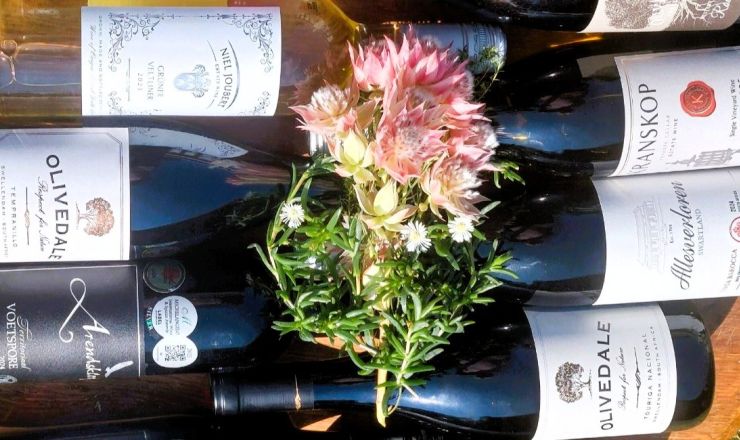
Results of the Niche Varieties Challenge 2026
The Niche Varieties Challenge took place again in 2026 to give innovative niche wines a more visible platform and to highlight the diversity developing beyond South Africa's mainstream cultivars.
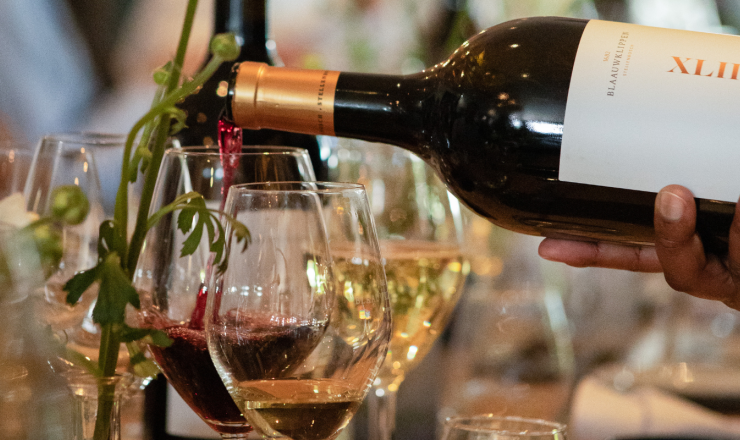
Are wine clubs in South Africa still relevant?
A bottle of wine is rarely just about what is in the glass. Sometimes it is about the people around the table, which may explain why wine clubs have managed to stick around. The Blaauwklippen Blending Competition offers a glimpse into why this old-school tradition still has a place in a changing…