
Red Dawn: extracting nature’s power
· 4 min read

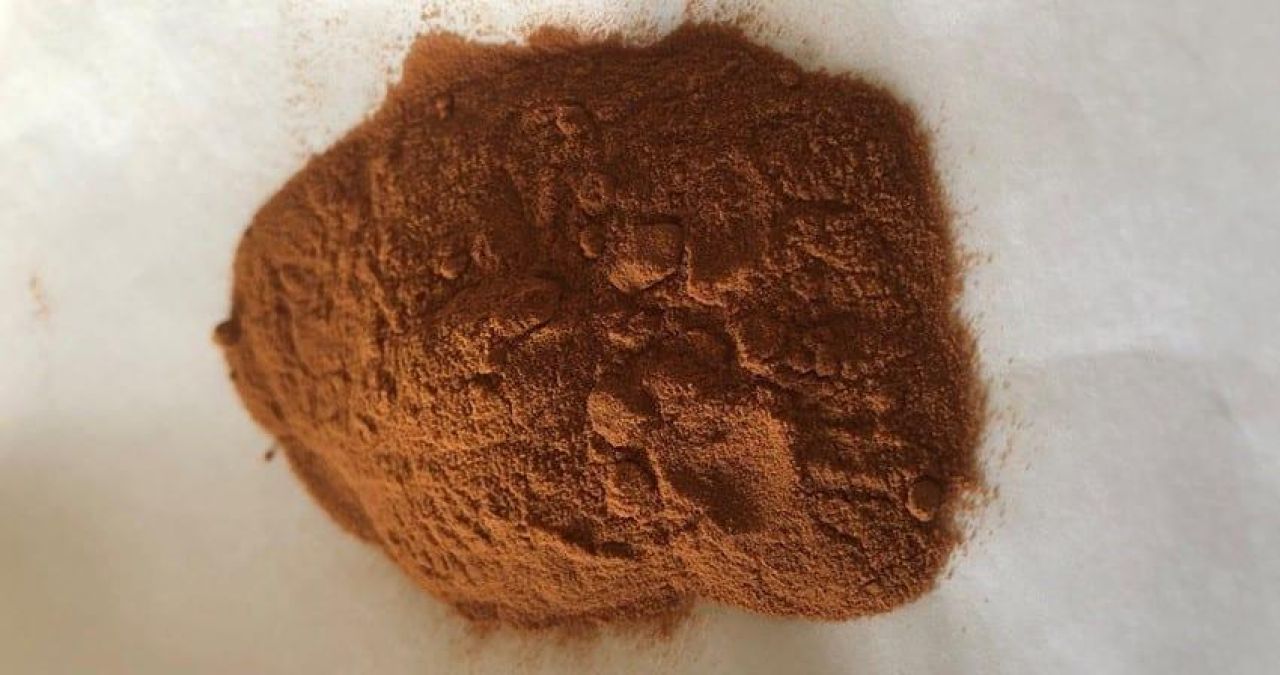
This local breakthrough tannin innovation is a huge potential game changer in the wine industry, given that the locally produced tannins contains unique antioxidants and polyphenols. It not only preserves, protects and enhances all wine, it also has the potential to be used as a total sulphur replacement for winemakers wanting to make ‘no sulphur added’ wines.
More and more consumers demand ‘free-from’ foods. The trend has been steadily rising over the past decade, following a global call for more natural ingredients. Whether it’s vegan, gluten-free, palm-oil-free, GMO-free or lactose-free, it leaves food producers struggling to come up with alternatives, and wine producers are no exception. This is why there’s a particular focus on natural preservation and local indigenous plant material’s associated health benefits and flavour profiles, which replaces preservatives like sulphur in wines or reducing the sugar content.
The unique compounds found in honeybush is the magic ingredient says Red Dawn’s innovation manager, Arnold Vlok.
Established in 2011, intellectual property company Red Dawn is a joint initiative of KWV, Audacia and Namibia Breweries. Red Dawn Natural Tannins (RDNT) utilises the properties of indigenous South African plant materials by optimising their high antioxidant and unique polyphenolic, antibacterial and antifungal properties across wine, beer and cider.
RDNT’s fully-dissolvable vinification and fining tannin for red and white wine enhances fining, body, structure, colour protection, freshness and fruitiness. It also improves the mouthfeel of wine by enhancing inherent sweetness and promoting primary fermentation, adding softness, complexity and wood-aged character to wines, with or without sulphur.
“The journey has been challenging,” project leader Rina McKellar says. “When South Africans hear the words honeybush, they immediately think tea. No one wants to associate wine with tea, especially not winemakers. We wanted to capture the plant’s qualities without the taste or connection to tea.”
The amount of RDNT Genesis tannin extract required to effectively preserve wine is so low that no colour or flavour impartation is observed. Adding RDNT Genesis in very small amounts (about 2-5 g/100 litre for white wine) means that because of its anti-oxidative properties no sulphites need to be added during the winemaking process. It optimises both the antimicrobial and polyphenolic content without imparting bitterness of affecting the character of traditional wine cultivars.
In South Africa wines that contain less than 10 ppm sulphur can be labelled ‘No added sulphur’ and the labels don’t need to state ‘Contains sulphites’.
RDNT Genesis is a wholly natural indigenous plant product that’s packed with benefits for both the wine and the consumer. The results are phenomenal: It not only imparts no foreign flavour, but improves many facets of a wine. In a world looking for healthier alternatives, RDNT Genesis could be the start of an exciting journey.
What the experts say?

Wim Truter, winemaker at KWV: “We currently produce a wine range called Earth’s Essence using Genesis honeybush tannins. It’s a real indigenous product that benefits several sectors of the value chain, from job creation and innovation to production. When it comes to winemaking, the produce is simple and scalable. There’s no added machinery or anything different about the process. The only necessity is timing. To the naysayers I say: “Taste our Chenin Blanc. The proof of the pudding is in the eating.”

Alan Winde, former Western Cape Minister for economic opportunities: “This innovation could be a big game changer across our entire economy and food chain. Personally, it’s something I’ve watched closely for quite some time. This is what you’d call a real indigenous disruption and could position the South African wine industry differently to anywhere else in the world because of the uniqueness of the product.”

More from
People, community and tourism
Hoe om herlewingslandbou te laat leef
'n Twee-dag sessie deur WIETA and Stronger Together South Africa op etiese leierskap vir kelders, plase en handelsmerke by Lourensford en Du Kloof Lodge het insigte oor herlewingsboerdery opgelewer.
Results of the Niche Varieties Challenge 2026
The Niche Varieties Challenge took place again in 2026 to give innovative niche wines a more visible platform and to highlight the diversity developing beyond South Africa's mainstream cultivars.
Are wine clubs in South Africa still relevant?
A bottle of wine is rarely just about what is in the glass. Sometimes it is about the people around the table, which may explain why wine clubs have managed to stick around. The Blaauwklippen Blending Competition offers a glimpse into why this old-school tradition still has a place in a changing…