
Restoring Honour to House Wine: The Story Behind Culture’s Own Label Wines
· 4 min read
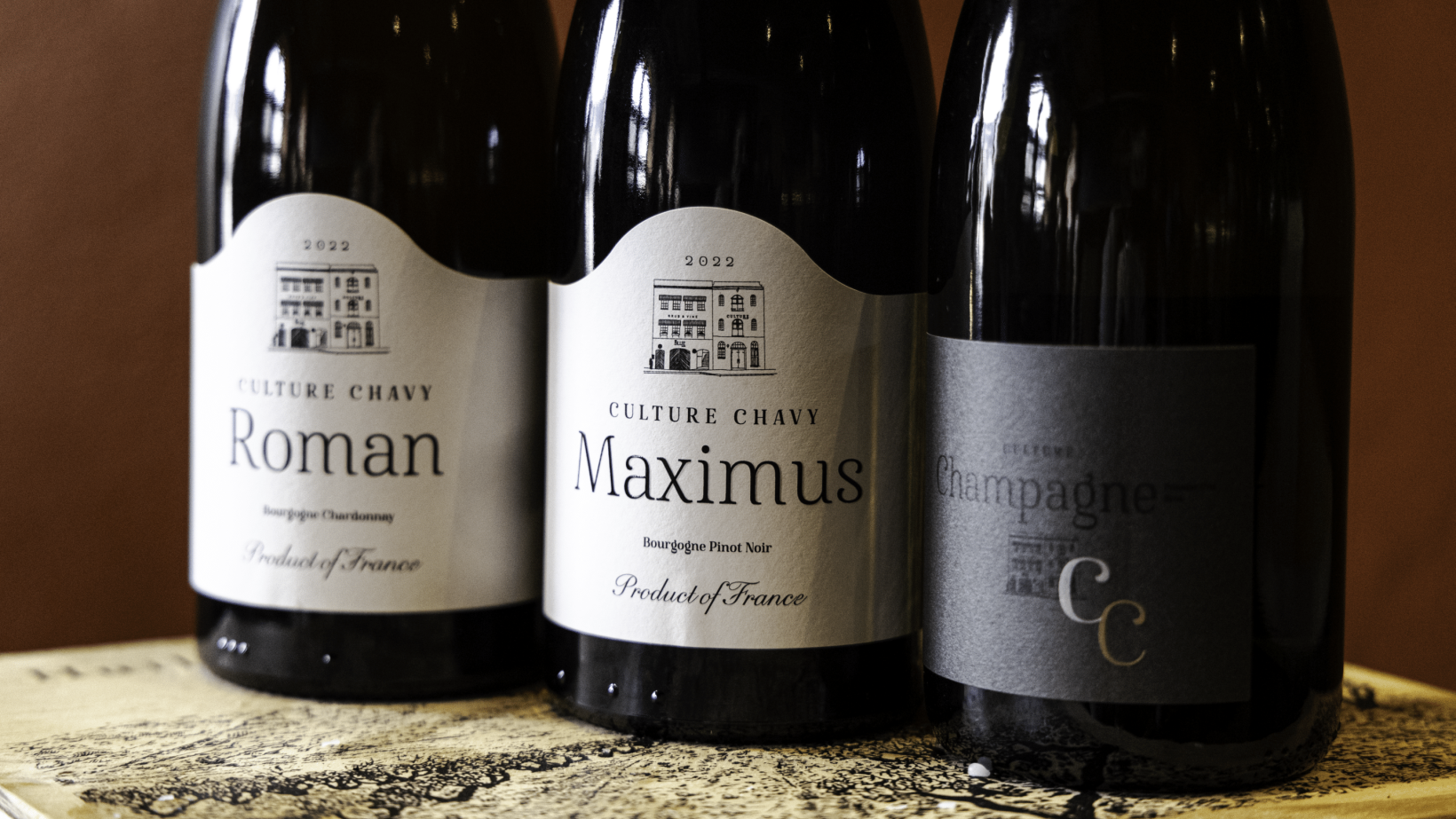
Culture Wine Bar has released its own label wine range, with the mission of restoring dignity and prestige to ‘house’ wine; a descriptor that has come to be associated with cheap, cheerful and poor-quality offerings in recent years.
“We wanted to introduce a premium wine collection, under our own label, produced for us by the same top winemakers whose wines we feature in our bar,” Matt Manning, owner of Culture Wine Bar says.
Matt says that the wines are a far cry from being mass-produced or commercial; rather, the bar has specifically sourced these small batch, high-quality wines crafted with minimal intervention from some of the world’s most-respected producers, which it has made available to purchase at great value prices.
“We steered away from going the ‘white label’ route, and rather have intentionally championed the winemakers behind our range, as we both recognise and appreciate their talent and contribution. You will find these leading producers’ names on all our house wine labels, telling you exactly where the wine came from and who made it, and thus setting the standard very high.”
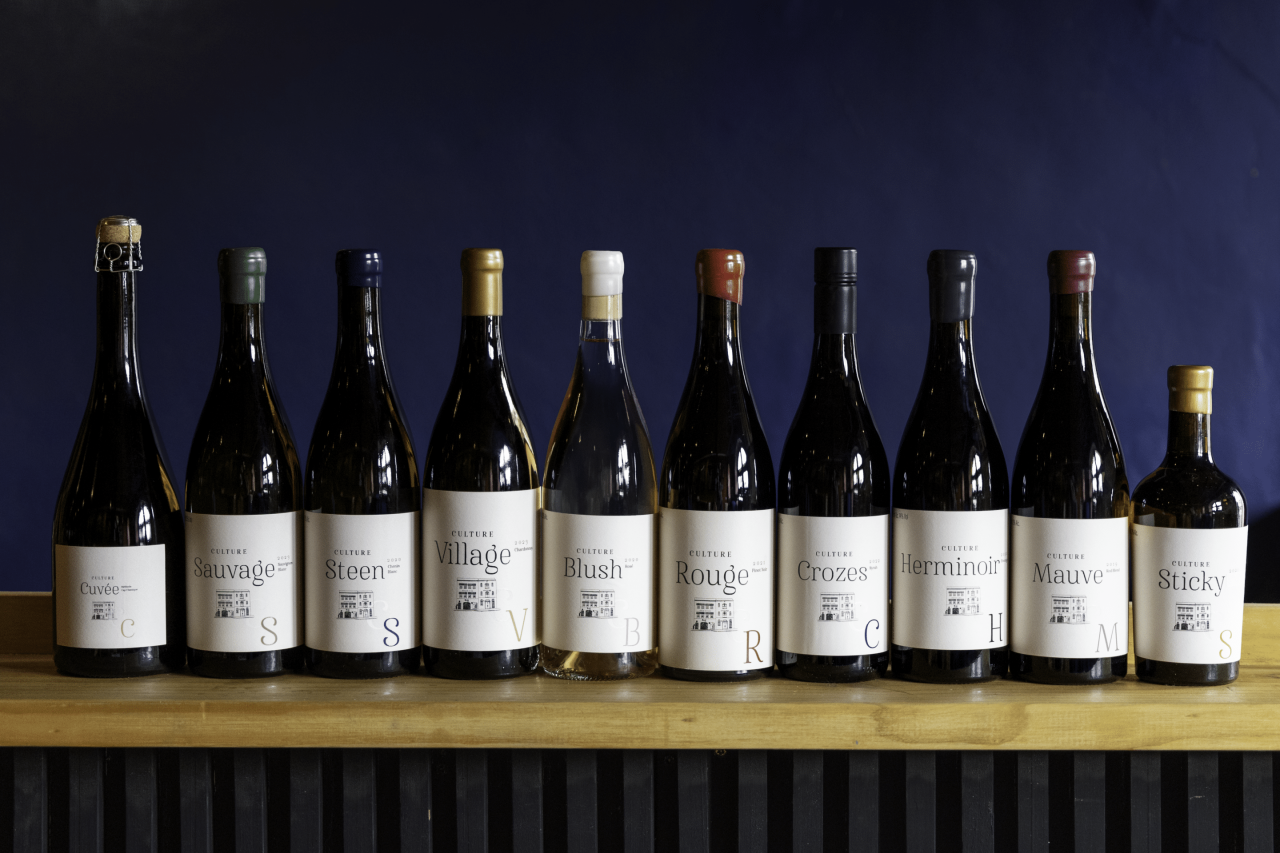
Culture’s own label collection
Culture’s own label local range currently includes Culture Cuvee – a Methode Cap Classique by Lammershoek; Culture Village – a Chardonnay by Paul Cluver; Culture Crozes – a Syrah by Donovan Rall; and Culture Herminoir, a Pinotage by Spider Pig Wines, among others.
Matt adds that Culture intends to work with numerous producers on many different and exciting varietals and blends, so the range will change and evolve frequently.
Culture also features three prestigious French wines as part of its own label international collection: Culture Champagne, produced by Champagne Monmarthe in the Premier Cru Appellation of Ludes, Champagne; Culture Bourgogne Chavy Roman (Chardonnay) and Culture Bourgogne Chavy Maximus (Pinot Noir) produced by Domaine Chavy-Chouet in Meursault, Burgundy. All three wines are procured by Culture’s Wanderlist partner, Radford Dale Imports.
Alex Dale, Managing Director at Radford Dale Imports, explains the significance of these three additions to Culture’s collection. “These highly respected Domaines have been producing tremendous wines for generations. Like most growers in Champagne and Burgundy, Monmarthe and Chavy-Chouet simply don’t do ‘own-label’ wines. This partnership with Culture is a first, and especially poignant for an independent South African wine bar, 10,000 kilometers away from France.
“It’s an honour for Culture to offer these incredible quality wines under its own label – and at very attractive price points – which serves as a testament to both Culture’s reputation and Radford Dale Imports’ strong, lifelong relationships with these producers.”
“Matt has joined me on several trips to meet with some of the most well-respected winemakers in Burgundy, and so this limited-edition collection is very close to both his and my hearts. So much so, in fact, that Culture’s first own label burgundies are named after Matt’s sons, Roman and Maximus!” says Alex.
“From day one, Culture has maintained that to truly celebrate South African wine, it will not serve the industry to be big fish in a small pond. It’s our mission to facilitate access to some of the best wines from around the world. Not only will this add richness, learning and diversity to our local wine scene, it also tactilely demonstrates just how well SA wines stack up against their global counterparts,” Matt says.
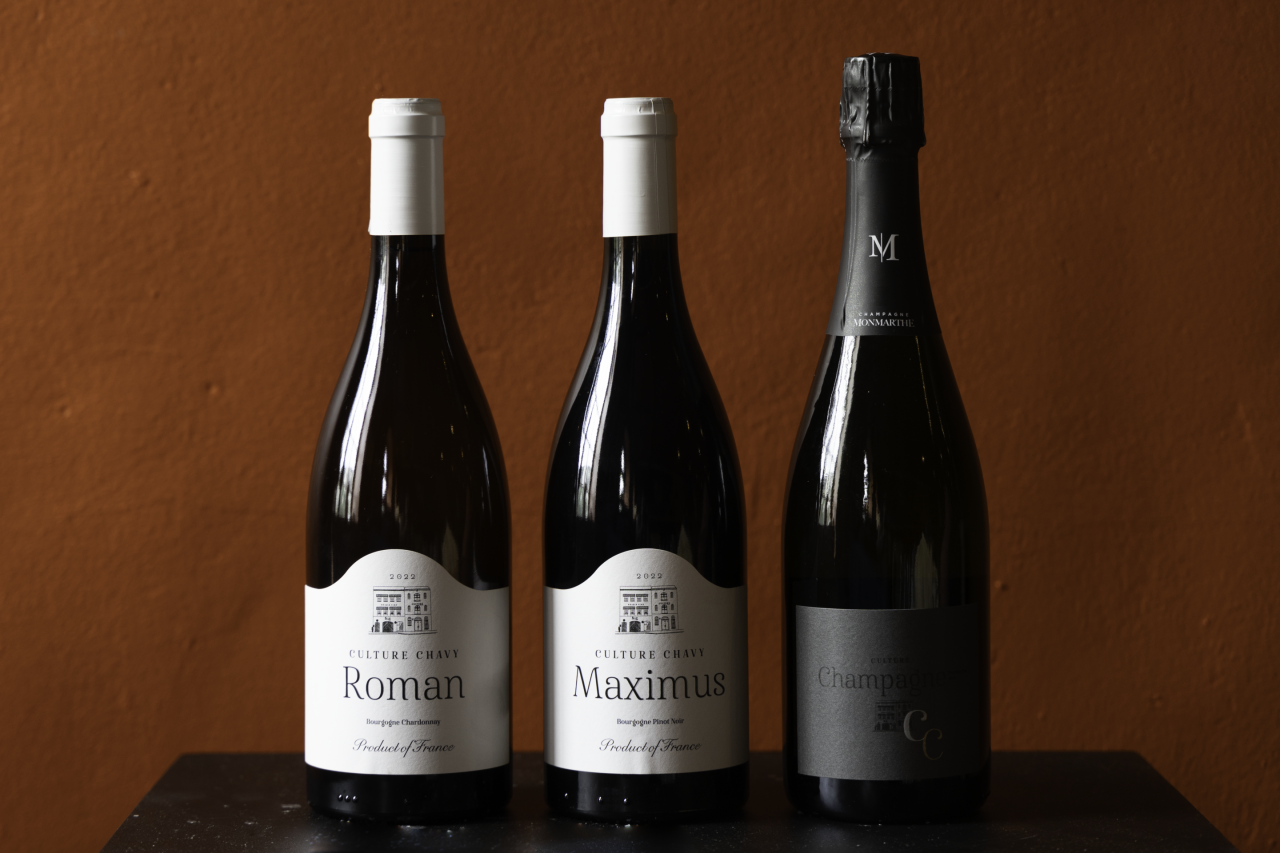
The story behind the labels
The range’s stylish labels, designed by VH Branding, hero the iconic 103 Bree Street heritage building in which Culture and Matt’s other establishments are housed, incorporating an illustration based on a pencil sketch by Matt’s cousin, artist Claudia Rose.
The labels for Culture Champagne, Culture Bourgogne Chavy Roman and Culture Bourgogne Chavy Maximus, while still depicting the Bree Street building, differ from the local range’s labels, tipping their hats to the classic French labelling style.
Matt explains that the Bree Street building has a special significance for him. “We opened Grub & Vine and The Chef’s Studio in December 2018 at 103 Bree, and my wife and I got married in the building that same weekend.
“We later opened Culture across the passageway from the restaurant in October 2020 – in the middle of the pandemic – and The Blue Room followed in November 2021, in the downstairs venue (formerly Red Bull Studios). We have since opened Culture Wine Bar at Time Out Market Cape Town and Grub & Vine Norval, but Bree Street is where our story began. Given that it’s our second home, we wanted to integrate this symbolism into our house wine label artwork.
“We set out to create an exciting, great value, premium wine collection, produced by top winemakers, under a brand that people know and trust – and I believe our range does just that,” Matt concludes.
To explore articles in our October issue, The Consumer Connection, purchase our digital or print magazine here.

More from
People, community and tourism
South African wineries shortlisted for Golden Vines award
South Africa continues to make its mark on the global stage, taking two of the three World’s Best Rising Star spots, with Mullineux and Alheit Vineyards shortlisted alongside Spain’s Comando G. The Sadie Family Wines, Rising Star winner in 2023 and 2024, has also progressed to the Best Fine Wine Producer in the Rest of the World shortlist. The shortlist is voted for by an Academy of nearly 1,300 senior wine and spirits professionals, whose insights directly inform the full report (released during the awards weekend).

Wine Tourism South Africa announces partnership
Wine Tourism South Africa has announced Air France-KLM as the official airline partner to the 2027 Wine Tourism Conference.
Brookdale Estate launches Wine Club
Brookdale Estate has announced the launch of its Wine Club, inviting wine lovers to become part of the estate’s ongoing evolution to discover new and exclusive wines from its Paarl cellar.