
Rugby before wine: Oupa Alvi's legacy
At 19, Albertus Viljoen “Oupa Alvi” van der Merwe became the first player to score a try against the touring All Blacks on African soil. He later became Springbok No. 221. After rugby, he helped establish what became Alvi's Drift in the Breede River Valley.
· 3 min read
Few people realise the first player to score a try against the touring All Blacks on African soil was a teenager who would later lay the foundations for what became one of South Africa’s best-known family wine estates.
As South Africa counts down to the Springboks’ opening Test against the All Blacks on 22 August, one remarkable piece of rugby history is returning to the spotlight.
For the Van der Merwe family, the fixture carries special significance because, in 1928, Albertus Viljoen “Oupa Alvi” van der Merwe became the first player to score a try against the touring All Blacks on African soil, before later securing his place in rugby history as Springbok number 221.
The 1928 tour marked the beginning of one of world rugby’s greatest rivalries. The All Blacks arrived in South Africa with an almost unbeatable reputation, having dominated opponents around the world. In the opening tour match at Newlands, however, 19-year-old Albertus Viljoen “Oupa Alvi” van der Merwe, representing Western Province Country, etched his name into the record books by becoming the first player to score a try against the touring All Blacks on African soil. Although the visitors went on to win the match 11–3, his remarkable achievement became one of the defining moments of the tour and the first chapter in a legacy that would eventually earn him Springbok cap number 221.
More than a rugby story
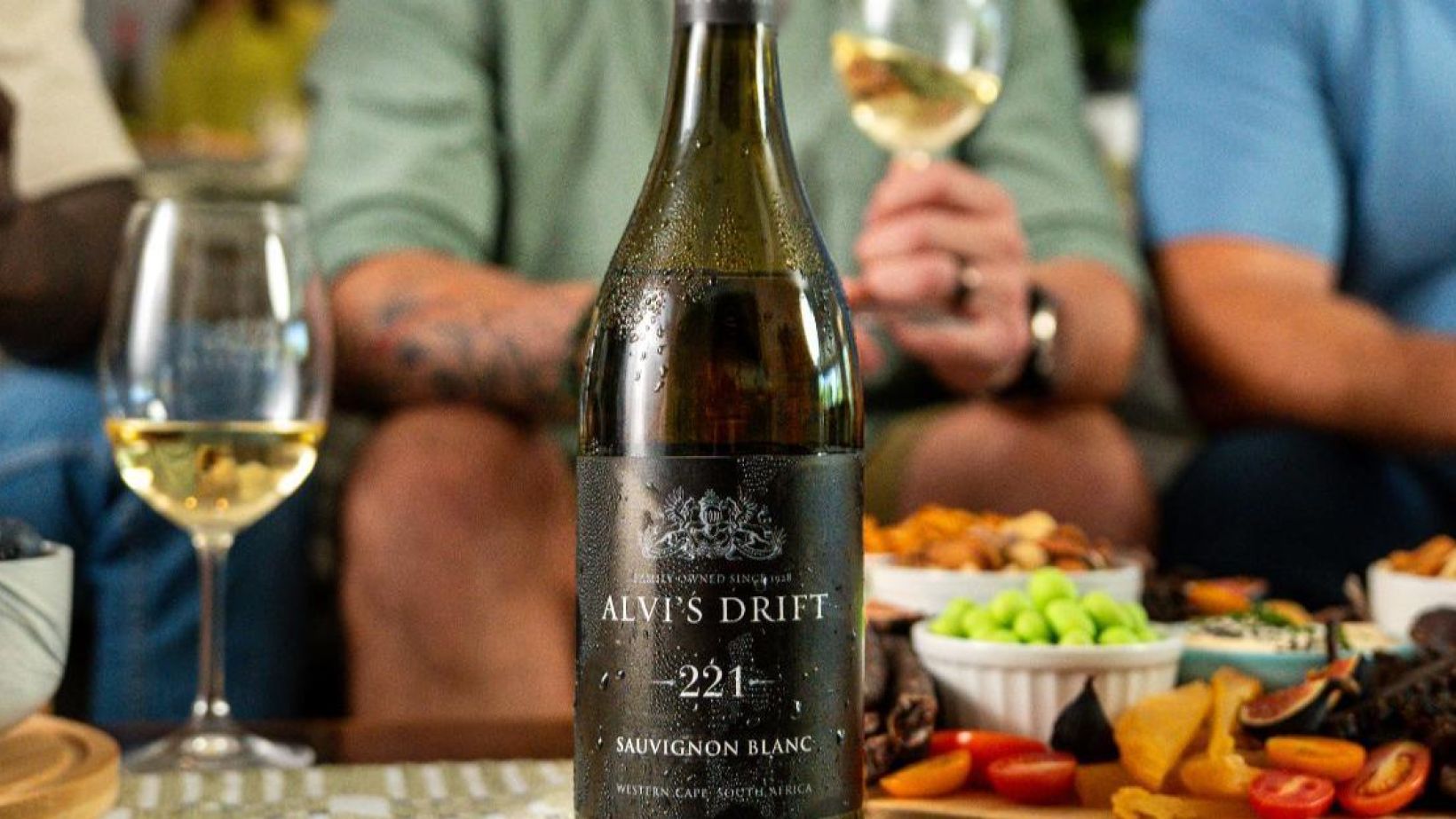
Oupa Alvi’s story, however, extends well beyond the rugby field. After his playing days, he helped lay the foundations for what would become Alvi’s Drift in the Breede River Valley. Today, the estate’s premium 221 wine range takes its name from his Springbok number.
Created by the current generation of the Van der Merwe family, the 221 range is inspired by Oupa Alvi’s remarkable sporting legacy but is ultimately a celebration of family, place and contemporary South African winemaking. The collection includes a Chenin Blanc, Sauvignon Blanc, Pinotage and Special Cuvée Red, each reflecting the family’s commitment to producing premium wines rooted in South African heritage.
Oupa Alvi often said, “You don’t make good wine alone. It’s a team effort.” Nearly a century later, that philosophy continues to guide the people behind Alvi’s Drift.
“221 was never meant to be only about rugby, sport or one person’s achievement. It is about the stories people share around a table, family stories, old memories and ordinary evenings that stay with you. For us, 221 takes a story from our own past and passes it on. When someone opens a bottle, we hope it becomes part of their story too,” says Alvi van der Merwe, winemaker at Alvi’s Drift and grandson of Oupa Alvi.
Whether shared around a braai, enjoyed over a family lunch or opened while watching the Springboks with friends, the 221 wines are designed to bring people together. While inspired by a remarkable rugby story, the range extends far beyond match day, celebrating the moments and connections that make our country so special.
“Few things bring South Africans together quite like a Springboks-All Blacks Test,” Alvi says. “But we’d argue a good glass of wine comes pretty close.”

About Alvi’s Drift
Alvi’s Drift is a third-generation, family-owned winery in the Breede River Valley. The estate takes its name from the low-water bridge Albertus Viljoen “Oupa Alvi” van der Merwe built across the Breede River in 1930, a landmark still known as Alvi’s Drift today. Now led by his grandson, Alvi van der Merwe, the winery combines a deep respect for its family history with a contemporary approach to South African winemaking, producing a portfolio of multi-award-winning wines, including its flagship Black Eagle Verreaux Pinotage.

More from
People, community and tourism

Who will drink South African wine tomorrow?
Tomorrow’s wine drinker is already here, standing at the braai with a can in one hand and a phone in the other. South African wine still has time to join the occasion, although it may need to loosen its collar first.
Ice in the Chenin and other South African wine crimes
There is ice in the Chenin Blanc, Cap Classique in an ordinary wine glass and a bowl of curry waiting beside a bottle of something pink. By old wine standards, the afternoon is a small crime scene.

The Portrait of a South African Winemaker
In James Joyce's A Portrait of the Artist as a Young Man, Stephen Dedalus resolves to express himself "as freely as I can and as wholly as I can". Joyce's hero refuses to be just one thing. That same many-sided energy is increasingly being asked of the modern South African winemaker, who has to adopt different faces for different places.