
The art of choreography
Born in Paris, influenced by travel and now established in the Alentejo, Alexandra Leroy Maçanita has helped turn Fitapreta into one of Portugal’s most distinctive wine tourism destinations, a place where history, hospitality and wine meet with quiet confidence.

· 5 min read
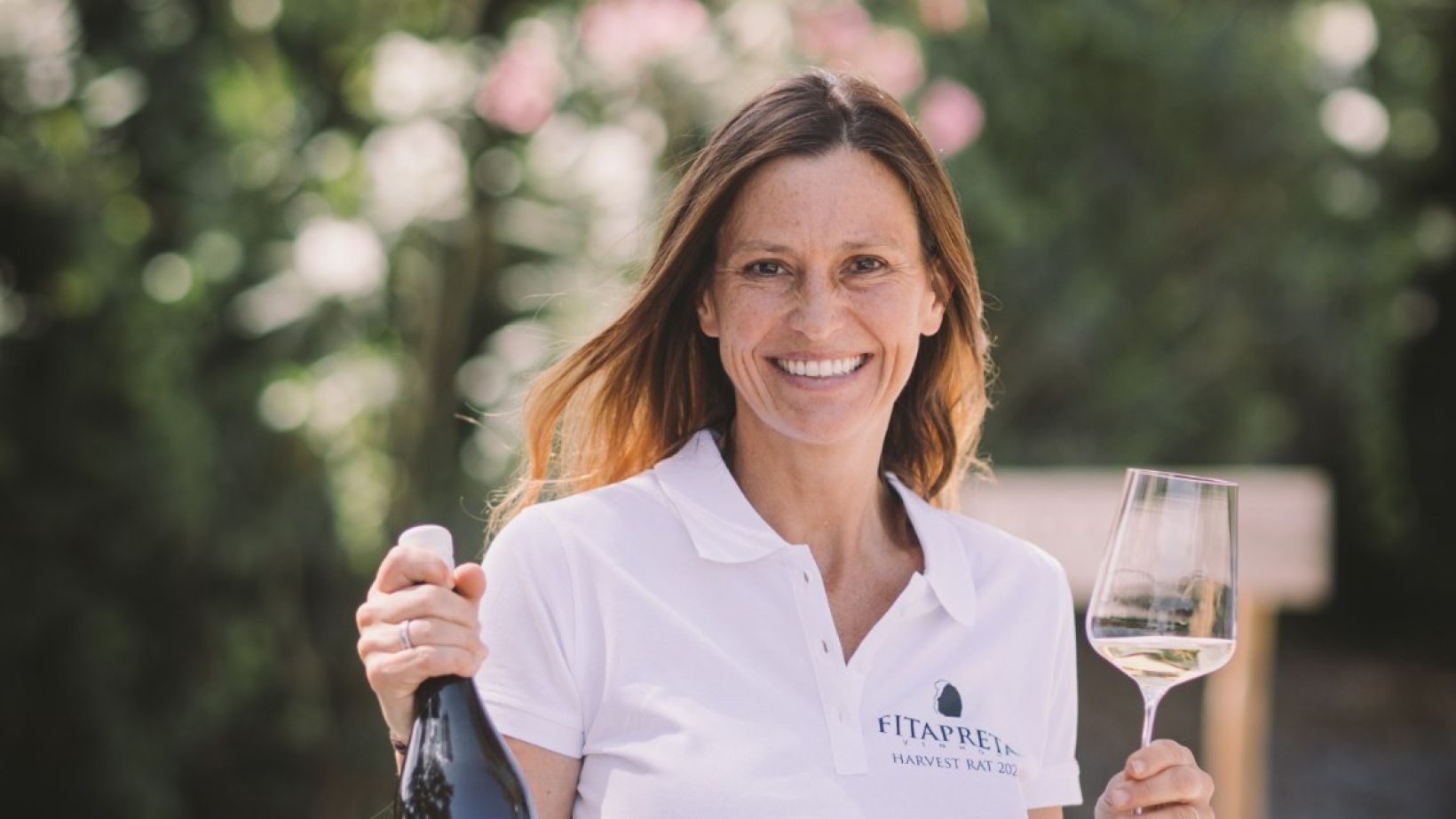
The first emotion most people experience when they arrive at Paço do Morgado de Oliveira is surprise. It’s a calm, not over-rehearsed kind of surprise that often arrives luxuriously, more like the feeling of discovering something that has been waiting for you.
Visitors drive almost two kilometres through the Alentejo landscape before the estate reveals itself. Vineyards, olive trees, open sky and then, suddenly, a medieval fortified house appears. It’s unexpected, cinematic and, for Alexandra, that first moment matters. “I think the first feeling is surprise,” she says. “Visitors arrive in the Alentejo landscape and, after driving almost two kilometres inside the estate, the medieval fortified house suddenly appears and awakens a sense of discovery.”
Discovery has, in many ways, influenced her life. Born in Paris, she studied international business and marketing before completing a master’s degree in management while living between check change Bordeaux and Latin America. Travel, culture, language and hospitality became part of her professional vocabulary long before wine did.
In 2006, she moved to Portugal to establish the Portuguese branch of a French events agency. For the next decade, she created high-end corporate events, incentive programmes and bespoke experiences across Portugal and internationally. It was a world of detail, logistics and atmosphere, the kind of work where the magic only happens when the planning is almost invisible. And that experience would later become essential.
Through her husband, winemaker António Maçanita, Alexandra gradually became part of the wine world. But her route into the industry was never only about what was in the bottle. It was about the people, the place and the possibility of creating something that could hold it all together.
When the opportunity came to acquire and restore Paço do Morgado de Oliveira, a 14th-century estate on the outskirts of Évora, Alexandra did not see an old property, she saw a destination. And not only a winery or a tasting room, but a living place where wine, heritage, gastronomy, landscape and hospitality could speak to one another. That vision became Fitapreta Wine Tourism, launched in 2019.
Today, the estate includes a winery, wine tourism centre, event venue, organic vegetable garden, private dining experiences and the Michelin-star restaurant, A Cozinha do Paço. Under Alexandra’s leadership, Fitapreta has grown into one of Portugal’s most recognised wine tourism projects, receiving awards such as Best Wine Tourism Project in Portugal and Wine Tourism Project of the Year.
But it’s not the list of accolades that makes Fitapreta compelling, it’s the way the estate holds contrast. A restored medieval house stands alongside a 21st-century winery. Heritage sits next to innovation. Old vineyards and forgotten grape varieties are brought into the conversation with contemporary hospitality. For Alexandra, the balance is intentional. “Preserving heritage doesn’t mean turning the estate into a museum,” she says. “It means respecting what was here before us, understanding its value and giving it a new life.”
That philosophy runs through everything. The chapel, fermentation and ageing rooms, vineyards and architecture all form part of the visitor experience. But nothing feels frozen in time, it uses history as a foundation for something current and alive. “Fitapreta is a creative project by nature,” Alexandra says. “So the balance comes quite naturally. We preserve the soul of the place, but we offer experiences through wine, gastronomy, art, events, seasonal programmes and new ways of welcoming people.”
Wine tourism has changed dramatically in recent years. The days of a quick tasting and technical explanation are no longer enough for many travellers. They want context, emotion, beauty, access and a sense that the place has opened a door specially for them. “Today’s visitors are looking for meaningful experiences,” she says. “They no longer want only to taste three wines and leave with a technical explanation. They want context, emotion, aesthetic and a real sense of place.”
This is where her background in events and hospitality becomes one of Fitapreta’s strongest assets. She understands that an experience is built through timing, detail and feeling. The glass matters, but so does the walk to the tasting room, the story told at the right moment, the view, the food, the sense of being welcomed rather than processed.
“What I love most is that wine becomes the beginning of something much larger than the glass,” she says. “Of course, the wine matters deeply, but the experience around it allows people to understand where it comes from, why it exists, who made it, and what landscape, history and choices shaped it.”
Visitors to Fitapreta can choose among experiences ranging from a comprehensive Wine Geek Experience to private tastings exploring the old and new vineyards connected to Morgado de Oliveira and Chão dos Eremitas. Increasingly, the story is also told through A Cozinha do Paço, where the estate’s products and the rhythm of the seasons become part of the narrative.
“Before leaving, I want guests to understand that Fitapreta is not only a winery, but a place where wine, food, heritage, landscape and hospitality are all connected,” Alexandra says. “Of course, the beauty visitors experience is only one side of the story. Behind the calm surface is a deeply complex operation. Fitapreta is a working cellar, a wine estate, a restaurant, an events venue, a garden, a historic building and a daily hospitality business. At any given moment, vineyard work, cellar decisions, private visits, restaurant service, deliveries, maintenance, flowers, glassware and team briefings may all be happening at once.”
Alexandra describes it as choreography. “I think people would be surprised by how much invisible choreography is behind each apparently effortless experience,” she says. “The challenge is to make that complexity feel simple for the guest. When it’s done with honesty and care, it can be much more than a visit. It creates attachment, understanding and respect for a place and for a company. It’s a story that’s still being written.”
To read more articles in our August issue themed “Champions of Change,” buy a copy here.

More from
People, community and tourism
South African wineries shortlisted for Golden Vines award
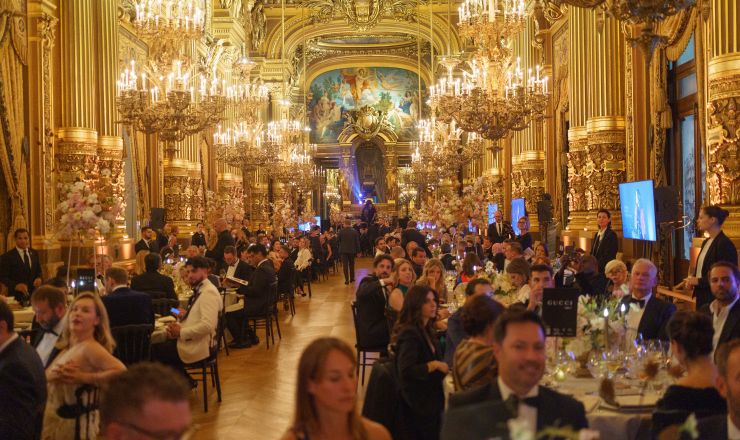
South Africa continues to make its mark on the global stage, taking two of the three World’s Best Rising Star spots, with Mullineux and Alheit Vineyards shortlisted alongside Spain’s Comando G. The Sadie Family Wines, Rising Star winner in 2023 and 2024, has also progressed to the Best Fine Wine Producer in the Rest of the World shortlist. The shortlist is voted for by an Academy of nearly 1,300 senior wine and spirits professionals, whose insights directly inform the full report (released during the awards weekend).

Wine Tourism South Africa announces partnership
Wine Tourism South Africa has announced Air France-KLM as the official airline partner to the 2027 Wine Tourism Conference.

Brookdale Estate launches Wine Club
Brookdale Estate has announced the launch of its Wine Club, inviting wine lovers to become part of the estate’s ongoing evolution to discover new and exclusive wines from its Paarl cellar.