
Port inefficiencies a risk for agricultural exports
· 2 min read
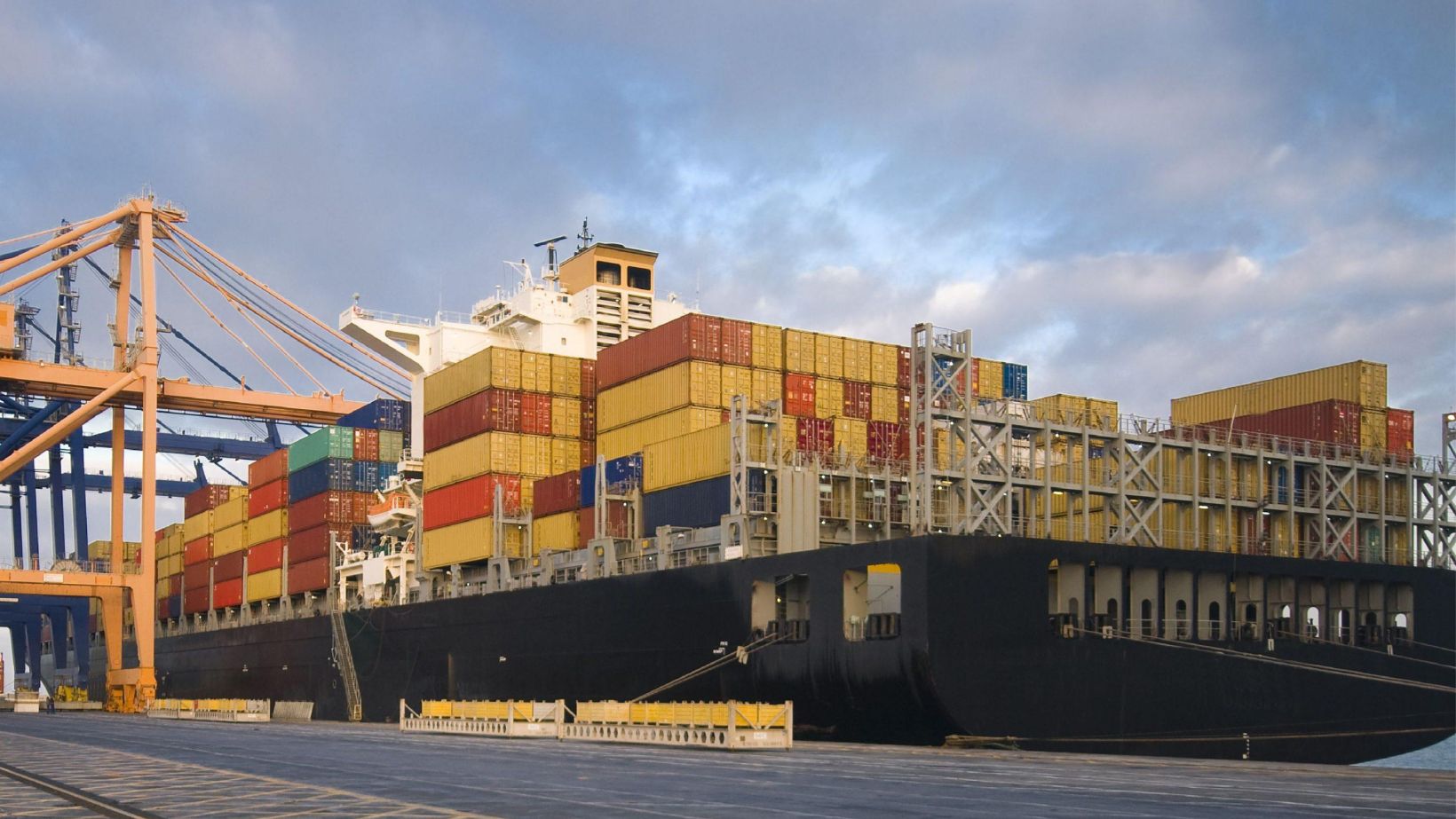
Following a recent meeting with the Citrus Growers Association (CGA), Western Cape Minister of Agriculture, Dr. Ivan Meyer, has registered his concerns about the current state of service delivery at the Port of Cape Town and its potential negative impact on the export of agricultural products.
With the Western Cape being responsible for 50% of South Africa’s agricultural exports, the Port of Cape Town is a vital cog in the wheel of the Western Cape and South Africa’s economy.
“Any inefficiencies in this port will therefore harm the Western Cape’s economy and cost jobs at a time when we desperately need to be creating more of them,” Meyer said.
However, Meyer added that should the port operate optimally, many people will benefit. “In fact, according to our research, growing our exports by 5% over five years will create 19 000 new jobs in the Western Cape.”
The Minister has pointed out the shortage of equipment and obsolete implements as the reasons for the Port Authority’s inability to manage the Cape Town terminal efficiently. “It undermines the critical role that the port should play in supporting exports and economic growth.”
The Department of Economic Development and Tourism, led by the Minister of Finance and Economic Opportunities, David Maynier, established a Port Task Team which has brought together stakeholders from across the port logistics value chain to find solutions to the challenges facing the Port of Cape Town.
“While this Task Team has achieved some successes to date, improving port efficiency will ultimately require an intervention by the national government, which is why we have called on President Ramaphosa to visit the Port of Cape Town urgently,” Meyer commented.
“I intend to support the CGA by visiting the Port of Cape Town and raising some of my concerns with the senior management at Transnet Port Terminals.”

More from
Markets, business and trade
The next 25 years
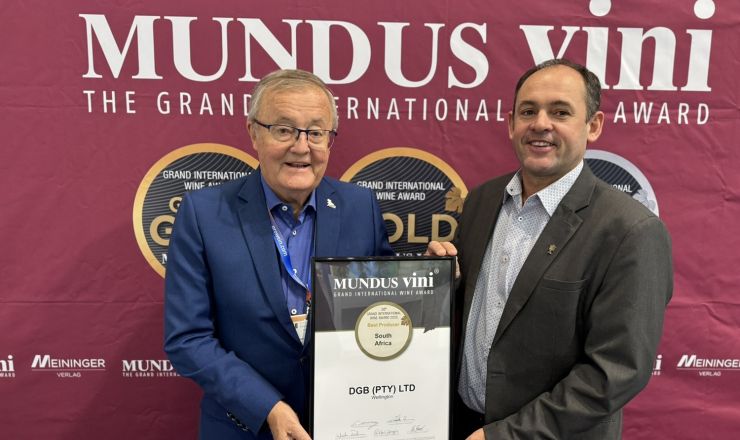
DGB has been recognised by Mundus Vini as its Best South African Producer over the past 25 years. But what will it take to remain successful for the next 25? We asked Executive Chairman Tim Hutchinson about premiumisation, changing consumer behaviour, climate, technology, and where he believes the next opportunities lie.
Paving the way to a sustainable wine trade
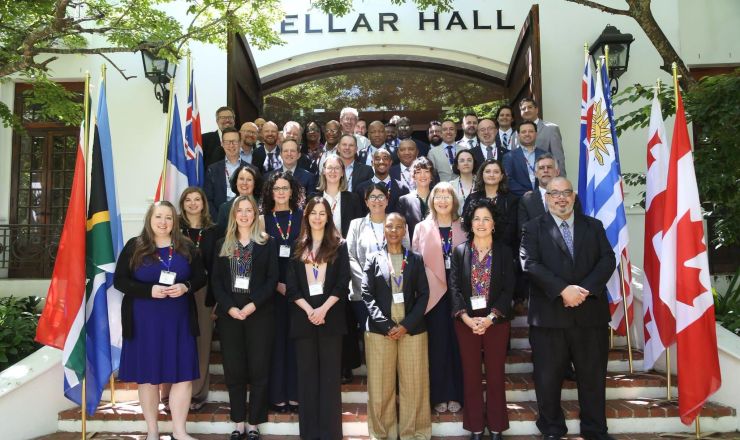
On 2 November 2026, WWTG Governments endorsed principles that governments may take into account to avoid unjustified or unintended impacts on trade for the wine sector related to sustainability policies.

Does Government know what it’s costing you?
A decision made in Pretoria can change the way a wine business operates. But who makes sure the people making those decisions understand what happens on the ground? South Africa Wine’s Jordyn Goeieman takes us inside the often unseen work of influencing the policies that affect the industry.