
Making wine in Cape Town's Philadelphia ward
Havana Hills overlooks Table Mountain and the Atlantic Seaboard from its perch atop one of the region’s smallest wards, Philadelphia. Piet Kleinhans recently took over the reins as winemaker.

· 3 min read
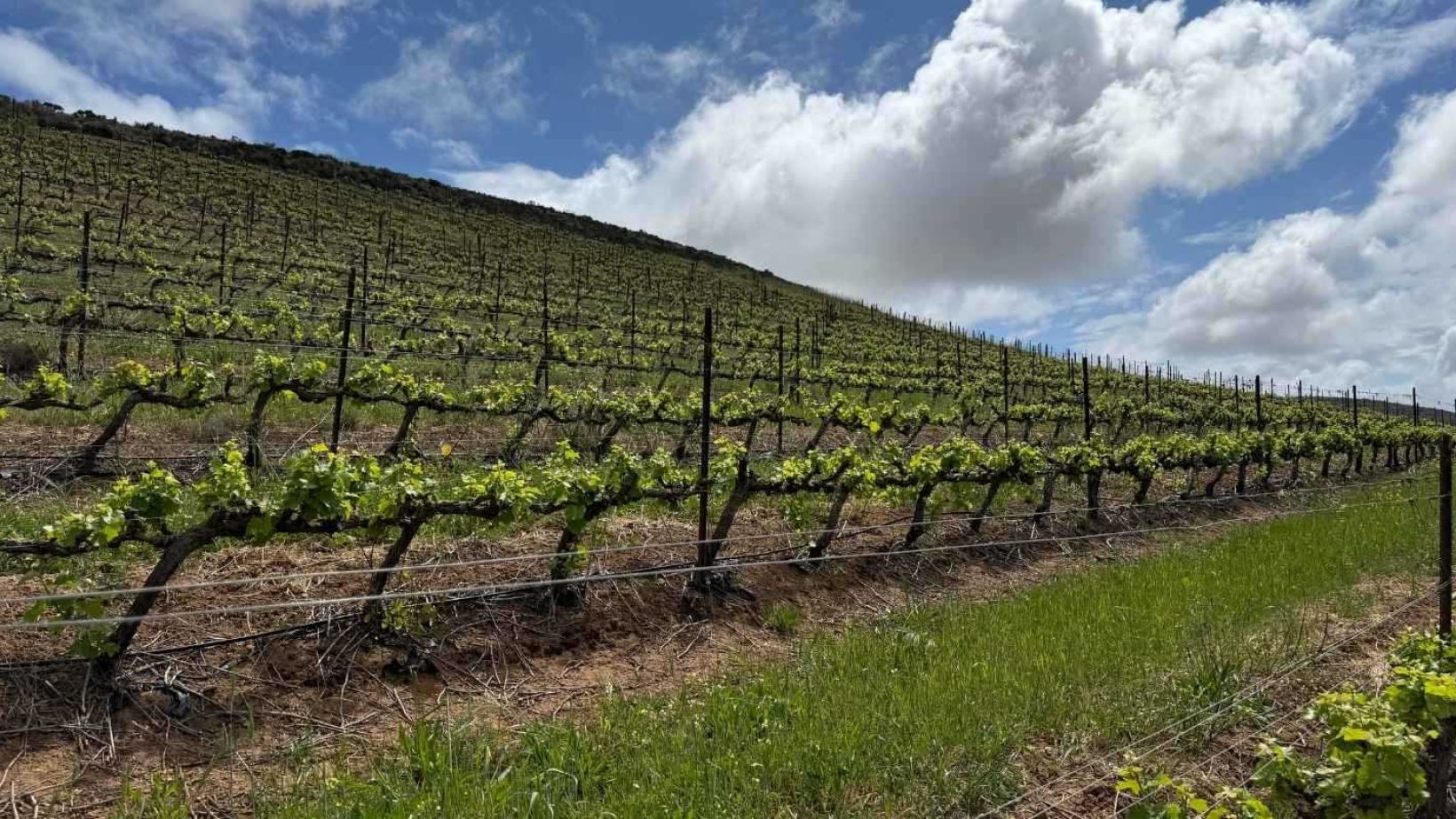
With only two private cellars in the ward, Philadelphia may be one of the best-kept secrets in the Cape Winelands. Part of the wider Cape Town district, the ward lies between Durbanville and Swartland – with an equally distinct identity.
Winemaker Piet Kleinhans spent 11 years at Havana Hills before he left the company in 2019. But he always kept in touch and eventually found his way back. “One of the many things I’ve learned in the past is to never say never,” he says. “You never know where life will take you. It was a pleasure to rejoin them after seven years away.”
“I can’t put my finger on it, but something of Havana Hills will always be part of you.”
Distinctive character
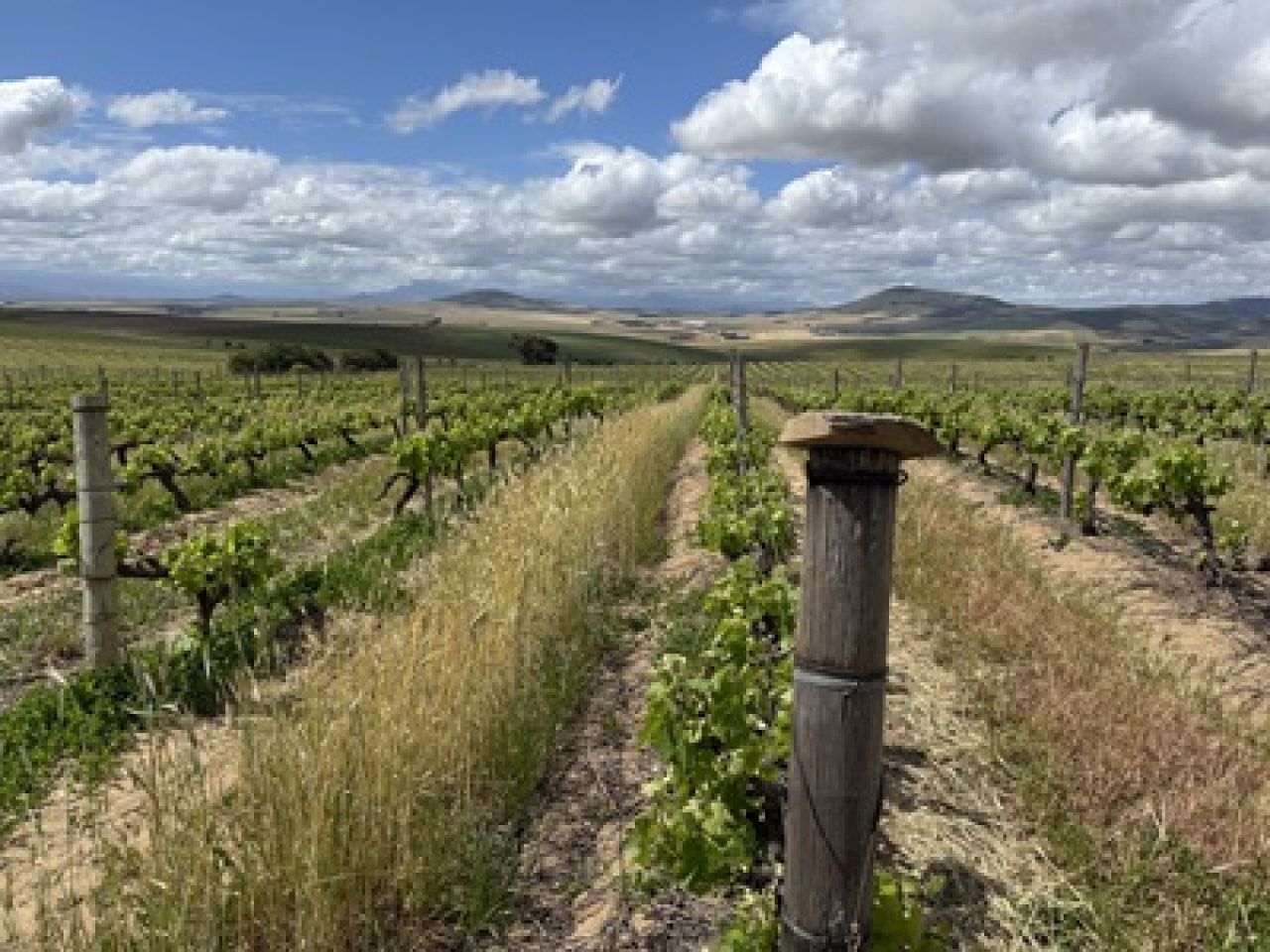
The region is blessed with a wide variety of soil types within a relatively small area, which work in harmony with the Atlantic Ocean and higher elevation to produce grapes for rich, fruit-driven wines. About 600 ha is under vines.
Havana Hills’ vineyards were all established on the eastern slopes, which shield them from the hot afternoon sun. The result is an even ripening process where phenolic and sugar ripeness develop hand in hand. “We don’t have any issues with overripe fruit, and they usually deliver elegant wines that can be easily enjoyed,” Piet says.
Mourvèdre seems like an unusual inclusion in a portfolio otherwise anchored in Bordeaux varieties, but it offers Havana Hills the best of both Bordeaux and Rhône influences. On the Rhône side, Shiraz often takes the lead with Mourvèdre playing an important supporting role. The Mourvèdre also forms the backbone of their rosé.
A gravity-led cellar allows nature to do its thing, with the winemaking team only lending a helping hand to steer things in the right direction.
Ripe for discovery
The Philadelphia ward still lies mostly off the beaten track, and without a restaurant or public tasting room, Havana Hills has relied mainly on exports, with only a small percentage of local sales. But Piet would like to see more people discover its wines. “Our local customers are equally important, and it’s important that we get the wines from Havana Hills out there,” he says.
“When Havana Hills was established, we had the honour of being the only cellar awarded Veritas Double Gold for five consecutive years for a long time. The result was that everybody was talking about us. It would be good to revive those glorious years.”
The cellar clearly has a lot to offer, with excellent quality wines and astonishing views of Table Mountain. Under Piet’s stewardship, the cellar looks poised to showcase what the ward is capable of.
* This article has been updated since publication to state the correct area under vineyard in the region. Havana Hills only has 55 ha under vines. In the whole ward, about 600 ha is under vines.

More from
Vineyard, cellar and production
Bioprotection, from harvest to fermentation
In modern winemaking, bioprotection has emerged as an innovative and sustainable strategy to improve microbial control while reducing dependence on sulphur dioxide.
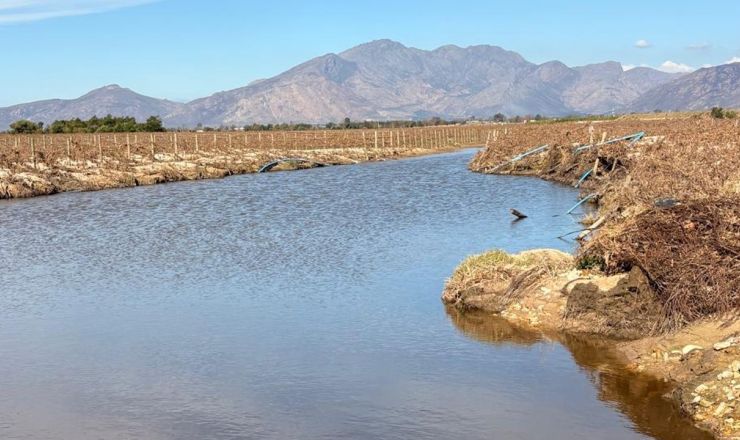
Flood damage - what next?
In light of the unprecedented floods during the second week of May 2026, this article offers a few guidelines on how flood risks can be approached and assessed.
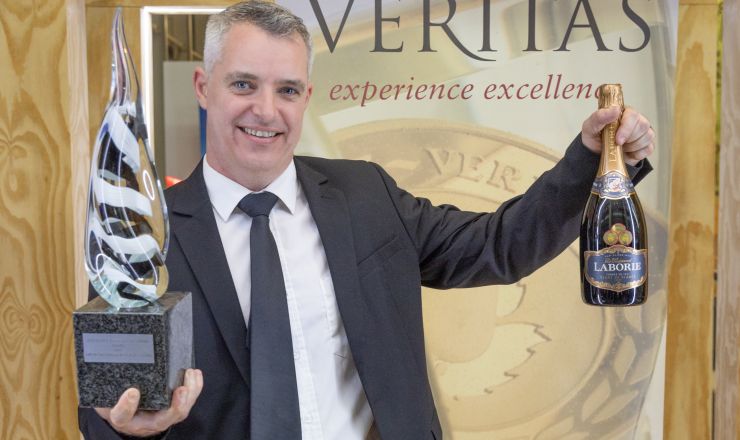
One vineyard. Eight components. Five years of patience.
When KWV’s Laborie Blanc de Blancs 2020 claimed the Duimpie Bayly Vertex Trophy at the 2026 Veritas Awards, it was more than another win for the Paarl-based producer. It was only the third time a Cap Classique had taken the competition’s highest honour, selected from 1 293 entries.