
Biological control in winegrape production
South African wine producers are increasingly using biological agents as part of Integrated Pest Management (IPM) programmes to control pests and diseases while meeting growing environmental sustainability requirements across all farming systems.
· 8 min read
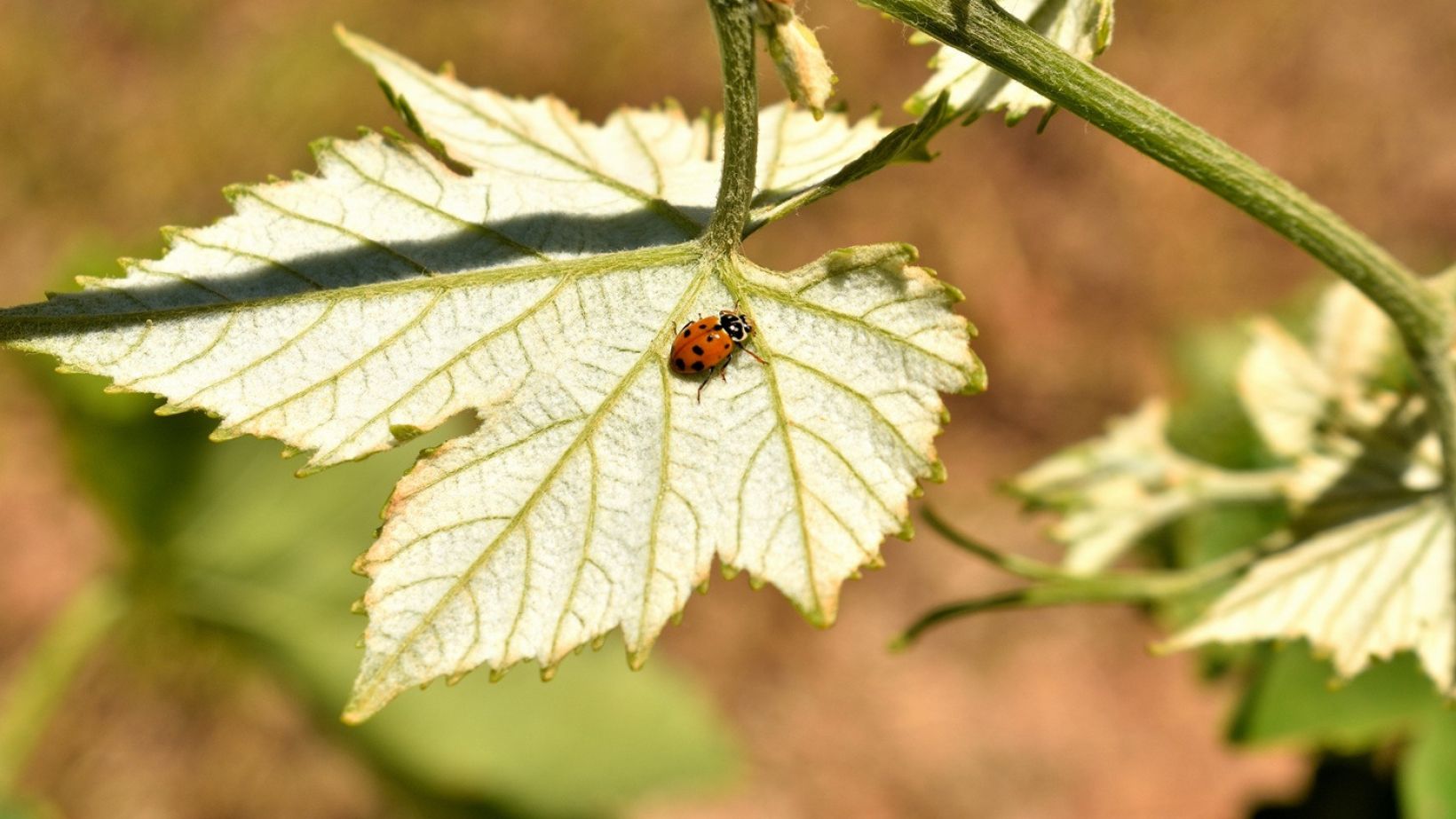
A reference guide for South African producers
South African wine producers face few challenges as persistent as pests and diseases. At the same time, environmental sustainability has become a defining expectation of the industry: producers are under growing pressure to farm in ways that protect the surrounding environment, and to hold the certifications that allow their wines into certain markets. Whether a farm is organic, biodynamic, regenerative or conventional with an environmentally conscious approach, biological agents are playing an increasingly important role within an Integrated Pest Management (IPM) programme. So, what does an environmentally responsible, broader IPM approach look like in the vineyard?
Building an effective biological control programme
Firstly, it is important to understand that biological control agents cannot be applied as a blanket solution. Effective use starts with a clearly defined target: confirm which pests and diseases are present and monitor their distribution and life cycles. The next step is to determine whether each one represents a genuine economic threat, whether direct, indirect, immediate, or in the future. Once targets are identified, map hotspots and match the appropriate biological control organism to each target. Timing is critical when using biological control agents. Control is achieved only when the target is exposed and susceptible, which often depends on its life stage.
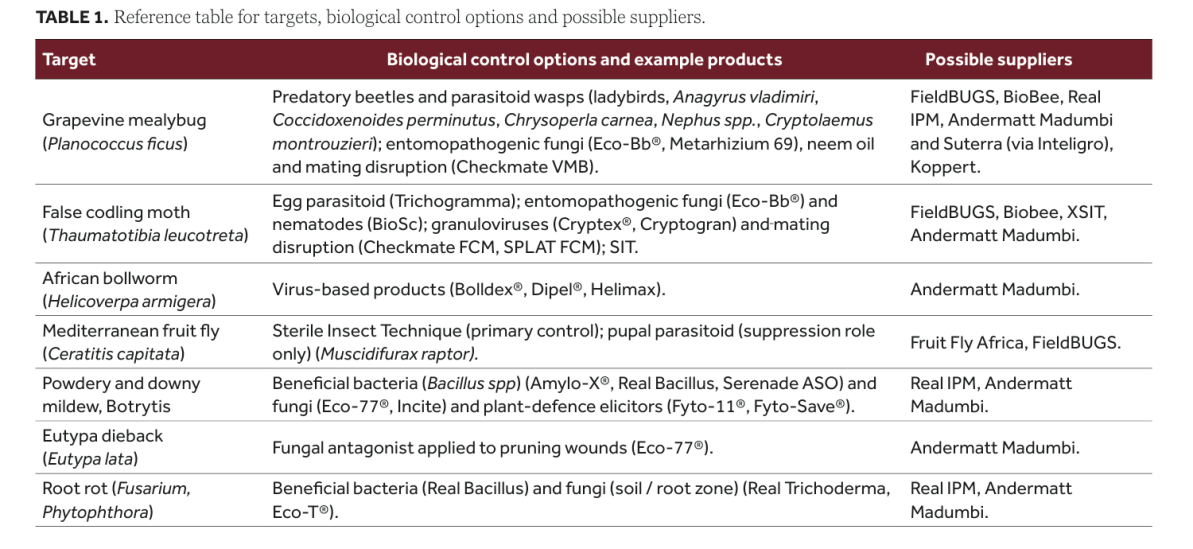
Biological control takes many forms, including beneficial predators, fungi, bacteria and viruses, as well as mating disruption and the Sterile Insect Technique (SIT). The table below provides examples of biological control agents and should not be regarded as a complete list of available options.
Quick reference – targets and biological control options
Key pests and diseases
Grapevine mealybug
One of South Africa’s biggest viticultural challenges is the decline of vineyards due to grapevine leafroll-associated virus, which is transmitted by the grapevine mealybug (Planococcus ficus). Biological control for mealybug relies mainly on the release of natural predators, including ladybirds, Anagyrus vladimiri, Coccidoxenoides perminutus (“Cocci’s” or just Perminutus), Chrysoperla carnea (lacewings), Nephus spp. and Cryptolaemus montrouzieri.
The selection and release rate of these predators depend on mealybug populations and hotspot locations. Anagyrus, Perminutus and Nephus are typically used in general release programmes, whereas the more aggressive Cryptolaemus is reserved for more intensive interventions and severe hotspots.
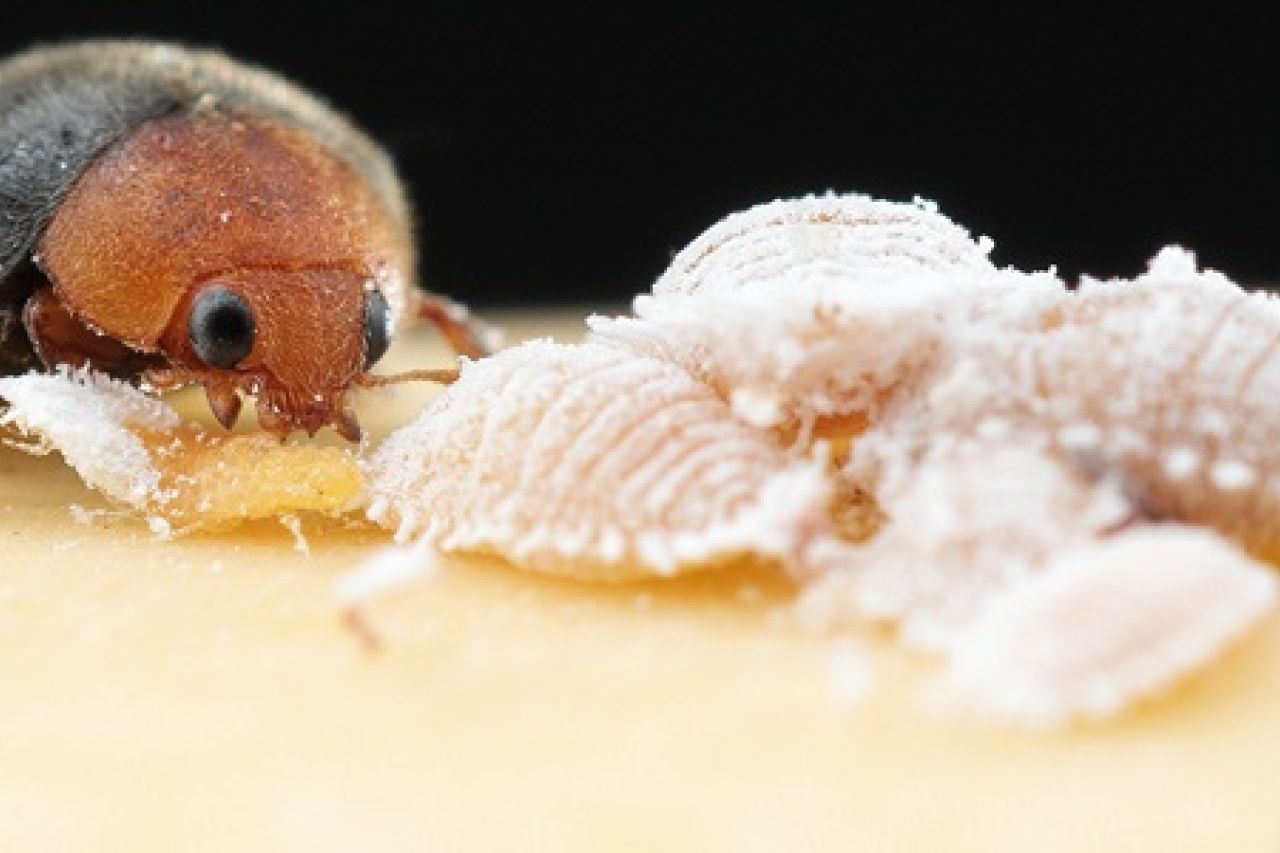
BioBee
Entomopathogenic fungi such as Beauveria bassiana (Eco-Bb®) and Metarhizium anisopliae (Metarhizium 69), used in combination with neem oil, have also proven effective in reducing mealybug populations.
Non-chemical options extend to mating disruption, with the use of products such as Checkmate VMB, where a synthetic female sex pheromone is broadcast across the vineyard to interfere with mealybug reproduction. Checkmate VMB is applied as a foliar spray to target adult males and does not affect females, eggs, or immatures.
False codling moth (FCM)
False codling moth (Thaumatotibia leucotreta) larvae penetrate grapevine berries shortly after hatching, causing direct yield losses, as well as reduced quality via secondary bunch rot.
FCM can be suppressed with the use of Trichogrammatoidea cryptophlebiae (commonly known as Trichogramma), which parasitises FCM eggs laid on the berries. Eco-Bb® (Beauveria bassiana) can be applied as a full-cover spray as soon as eggs or larvae are first noted. It is important to note that certain strains of B. bassiana can be detrimental to other beneficial insects; therefore, it is advised to discuss usage with your suppliers and consultants. Entomopathogenic nematodes such as juvenile Steinernema carpocapsae actively seek out larvae and inject symbiotic Xenorhabdus bacteria, which kill the larvae. Granuloviruses, rod-shaped, double-stranded DNA viruses that infect Lepidoptera larvae such as Cryptophlebia leucotreta granulovirus (Cryptex® and Cryptogran), are also registered for FCM control. These products contain encapsulated virus particles that take effect once ingested by the larvae.
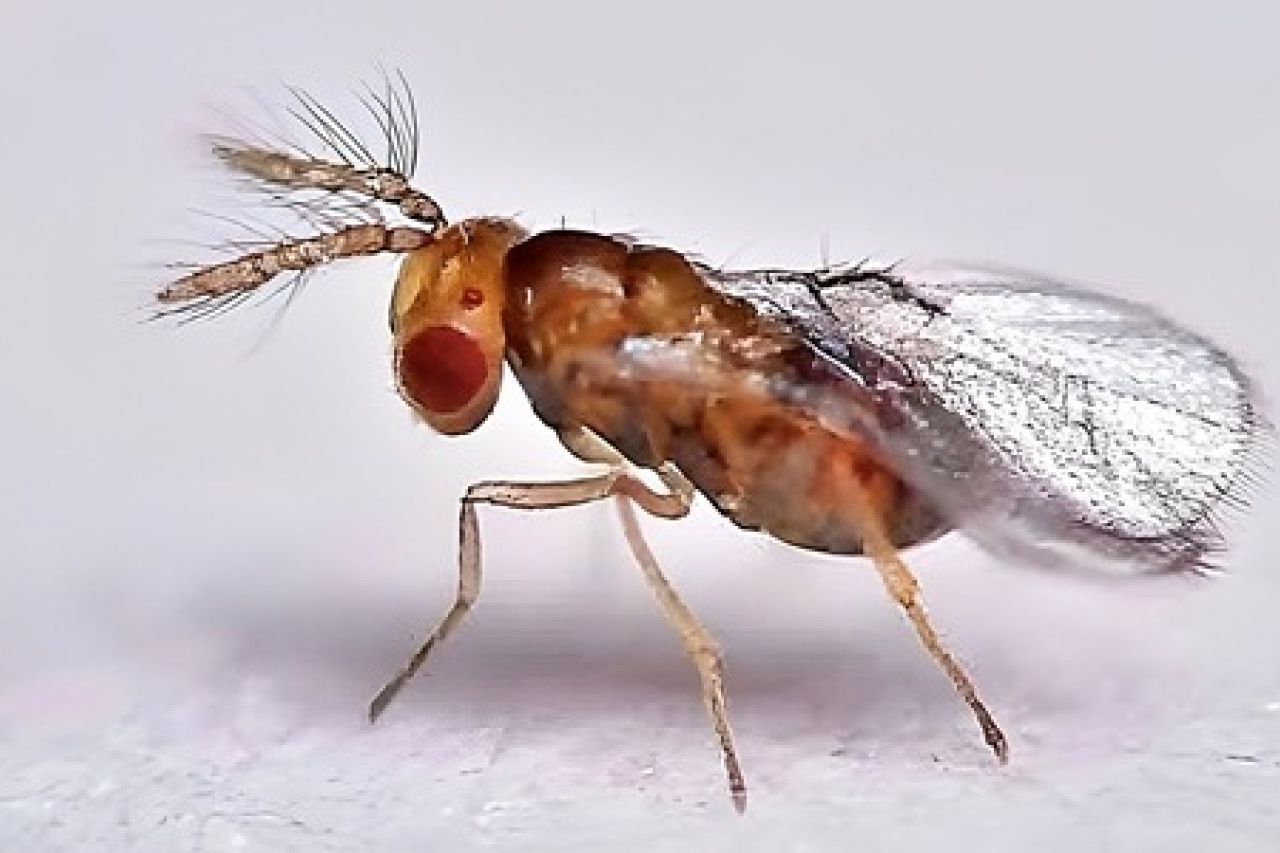
FieldBUGS
As with mealybug, mating disruption is also an option for FCM using products such as Checkmate FCM-F and SPLAT FCM. Sterile Insect Technique (SIT), where sterile male FCM are reared and released to compete with fertile wild-type males, is also an effective control for FCM and is applied at scale by XSIT (X Sterile Insect Technique – a service provider that applies SIT for control of FCM).
African bollworm
Also known as cotton bollworm (Helicoverpa armigera), it is highly polyphagous and, unlike FCM, is not a vineyard resident. It nonetheless represents a lesser, but real economic threat, damaging both vegetative and reproductive organs, mainly leaves and young bunches, creating entry points for secondary fungal infections.
Helicoverpa armigera nucleopolyhedrovirus (Bolldex® and Helimax®) can be used to control bollworm. The mode of action of Bolldex® and Helimax® relies on ingestion of virus particles, which infect the larvae, causing them to stop feeding and succumb. Bacillus thuringiensis (Dipel® DF) is a bacterial water-dispersible granule product and can be applied as a foliar spray when bollworm is first noticed. For effective use, larvae must be young and actively feeding. B. thuringiensis is not a contact killer, and the mode of action is based on ingestion, which ultimately leads to the release of protoxins, causing the larvae to stop feeding.
Mediterranean fruit fly (Medfly)
The Mediterranean fruit fly (Ceratitis capitata), like African bollworm, is highly polyphagous, and its economic significance is closely tied to export phytosanitary requirements. Females lay eggs just beneath the skin of ripening berries; the resulting damage also creates an entry point for secondary pathogens such as botrytis and sour rot. Once hatched, larvae feed on the berry pulp before dropping to the soil to pupate.
Research published in HortScience, the journal of the American Society for Horticultural Science, has shown that Muscidifurax raptor, a parasitoid also available in South Africa, can effectively parasitise Medfly pupae. However, it is more widely used to suppress house and stable flies and is not currently a primary or standard tool for Medfly management. The primary biological control method for Medfly remains SIT, applied at scale by Fruit Fly Africa.
Foliar and root fungal diseases
Powdery mildew, downy mildew and botrytis are among the biggest fungal challenges during the growing season and can significantly reduce production if not managed.
Beneficial microorganisms, including Bacillus amyloliquefaciens subsp. plantarum D747 (Amylo-X® and Double Nickel 55®) and Bacillus methylotrophicus (Incite®), offer biological control options for suppressing certain fungal diseases in grapevines. It is important to note that Incite® is not for use on red wine grape varieties. In addition, powdery mildew is also susceptible to B. subtilis strain BS01 (Real Bacillus®). In addition to Amylo-X® and Incite®, T. atroviride strain 77B (Eco-77®) and Bacillus amyloliquefaciens subtilis strain QST 713 (Serenade ASO®) can also be used for suppression of Botrytis.
Eutypa dieback, caused primarily by Eutypa lata, is an important grapevine trunk disease, with pruning wounds serving as major infection points. In regions where E. lata inoculum is released during winter rainfall, freshly pruned wounds are particularly vulnerable to infection. Although infection may remain latent for several years before foliar symptoms and progressive grapevine decline become evident, prevention of pathogen establishment at the pruning wound is an important component of disease management. Biological wound protectants, particularly selected Trichoderma strains, have demonstrated efficacy in reducing E. lata infection when applied soon after pruning. In South African field trials, the Trichoderma-based product Eco-77® reduced E. lata infection of pruning wounds, although efficacy varied with vineyard, cultivar and season. Evidence for Bacillus spp. is also promising, but is less extensive. Researchers in Stellenbosch are in the process of studying other microorganisms to suppress E. lata, in comparison with Trichoderma strains. Although researchers have not yet determined conclusive results on the efficacy of these organisms, they currently believe Trichoderma strains remain the first choice for suppression.
Poorly drained or waterlogged soils can increase the risk of root diseases caused by Phytophthora and Fusarium spp., contributing to young vine decline. Biological products can help suppress these pathogens: Eco-T®, containing Trichoderma asperellum, is registered in South Africa for crop root diseases, while Bacillus subtilis has shown potential against Fusarium in grapevine rootstocks.
Conclusion – evaluate outcomes and adapt
The number of biological products now on the market can feel overwhelming, and no two vineyards will have exactly the same programme. Efficacy depends on far more than just the product label: compatibility with existing fungicide and insecticide programmes, meso- and microclimate, and precise application timing all influence outcomes. Biological control should therefore not be viewed as a single treatment, but as an integral, ongoing part of a broader IPM strategy. No single agent or product operates in isolation. Unlike conventional, broad-spectrum agents, the efficacy of biological control agents depends on their integration as one component of a coordinated, season-long programme, building vineyard resilience over successive seasons, rather than delivering an immediate knockdown effect.
For producers starting out, the practical path is incremental: identify and confirm targets, introduce biological control agents where the economic threat and timing justify it, track results against monitoring data, and refine the programme each season. Approached this way, biological control becomes not an added complication, but a durable part of a more resilient, market-ready vineyard. For more information and specific programmes, contact your supplier to discuss.
For more information, contact Logan Jooste at [email protected].

More from
Vineyard, cellar and production

Bioprotection, from harvest to fermentation
In modern winemaking, bioprotection has emerged as an innovative and sustainable strategy to improve microbial control while reducing dependence on sulphur dioxide.
Flood damage - what next?
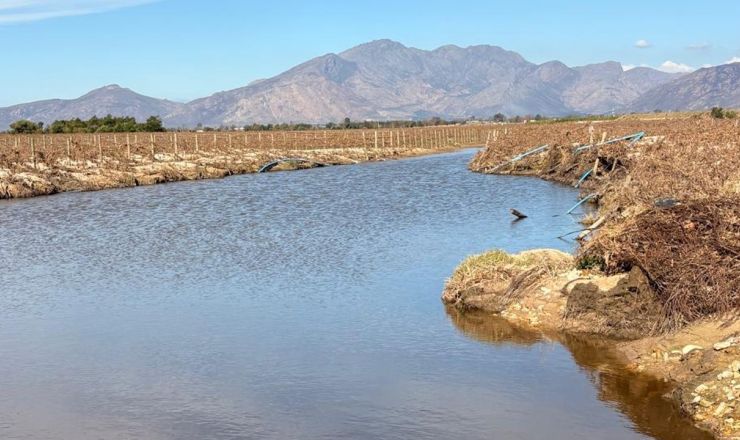
In light of the unprecedented floods during the second week of May 2026, this article offers a few guidelines on how flood risks can be approached and assessed.

One vineyard. Eight components. Five years of patience.
When KWV’s Laborie Blanc de Blancs 2020 claimed the Duimpie Bayly Vertex Trophy at the 2026 Veritas Awards, it was more than another win for the Paarl-based producer. It was only the third time a Cap Classique had taken the competition’s highest honour, selected from 1 293 entries.