
The business case for soil health
Soil has always been central to wine production, influencing vine health, yield, quality and the long-term sustainability of a farm. In a changing climate, the way producers manage soil and water is becoming a sharper measure of resilience.
· 3 min read
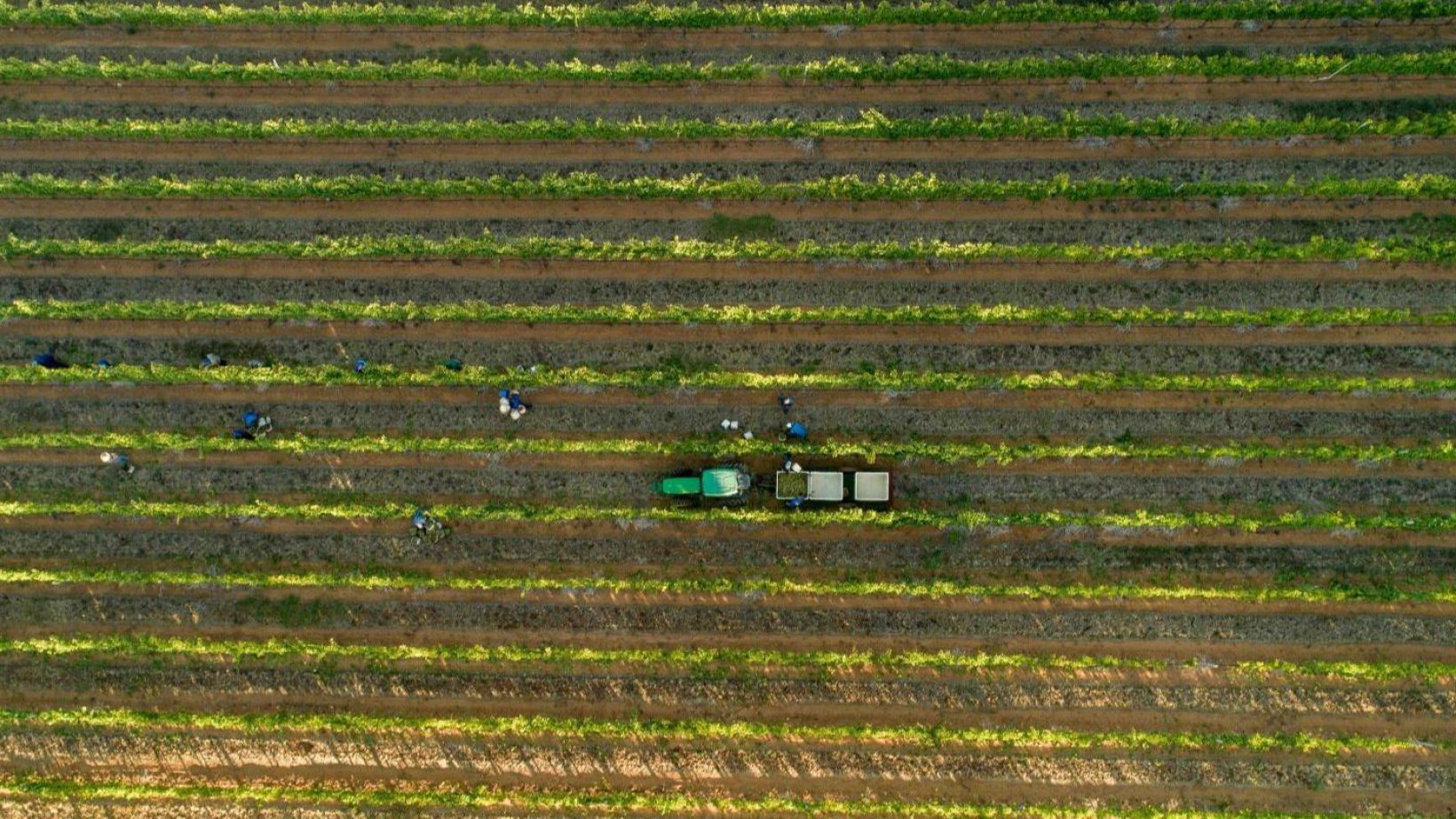
Across the world’s wine regions, producers are reconsidering long-held farming practices as weather patterns become less predictable. Higher temperatures, irregular rainfall, drought cycles and changing disease patterns are influencing vineyard decisions. A strong season can no longer be taken for granted, making vineyard performance a central business priority.
Internationally, this is taking different forms. In warmer parts of Europe, the conversation includes drought-tolerant rootstocks, cultivar selection, higher altitude sites, shade management, soil cover and efficient irrigation. Where water was historically less restricted, producers are thinking more carefully about moisture retention. In cooler regions climate change is opening opportunities while also bringing uncertainty.
South African producers are not new to this. Farming with limited water, heat, wind and seasonal variability has long been part of the local reality. The intensity and frequency of these pressures are changing, creating a greater need for deliberate, commercially relevant soil and water decisions.
Best practice
Healthy soil plays a central role. Soil structure, organic matter, microbial activity, drainage, compaction and root depth all influence how a vineyard responds to stress. Soil that absorbs and retains moisture gives the vine a better chance during dry periods, while good structure can reduce runoff during heavy rain. A living soil system also supports nutrient cycling and root development, contributing to balanced vine growth.
These considerations affect yield stability, fruit quality, input costs and the long-term value of vineyard blocks, while supporting the consistency required in premium wine production and export-led markets.
“Every decision made in the vineyard carries forward into the wine,” says Karl Lambour, General Manager at Tokara Wine and Olive Estate. “Soil health influences how the vine grows, how it responds to heat or water stress, and ultimately the quality of the fruit we bring into the cellar. It is one of the most important long-term investments a producer can make.”
Soil, balance and wine character
Soil health also has a direct relationship with wine profile. The goal in premium viticulture is balanced growth and optimal ripening. Too much water can encourage excessive vigour and dilute concentration. Too little water, or poorly timed stress, can limit photosynthesis, reduce berry development and affect tannin, acidity and flavour expression.
When soil is well managed, the vine has a stable environment in which to ripen fruit. This supports balance between sugar, acidity, phenolic ripeness and aromatic development. In the glass, that can influence freshness, texture, concentration, structure and ageing potential.
“People often speak about terroir as something romantic, but it is also very practical,” Karl says. “The character of a wine is shaped by the site, and soil is a key part of that site. If we want wines that show identity and consistency, we have to protect the systems that allow that expression to come through.”
Managing for the long term
Local strategies increasingly include cover crops, composting, mulching, reduced soil disturbance, irrigation scheduling, erosion control, biodiversity management and detailed monitoring of vineyard blocks. These practices help producers build resilience before the next weather event arrives.
Better soil and water management can reduce unnecessary inputs, improve vineyard longevity, protect yield potential and support quality-driven positioning.
The farms that treat soil as a living business asset will be better placed to protect the vineyards they farm and the wines they take to market.

More from
Vineyard, cellar and production

Cellar hygiene
Maintaining a spotless wine cellar requires a comprehensive management plan, which includes structural design, equipment sanitation, environmental controls and routine microbial monitoring.
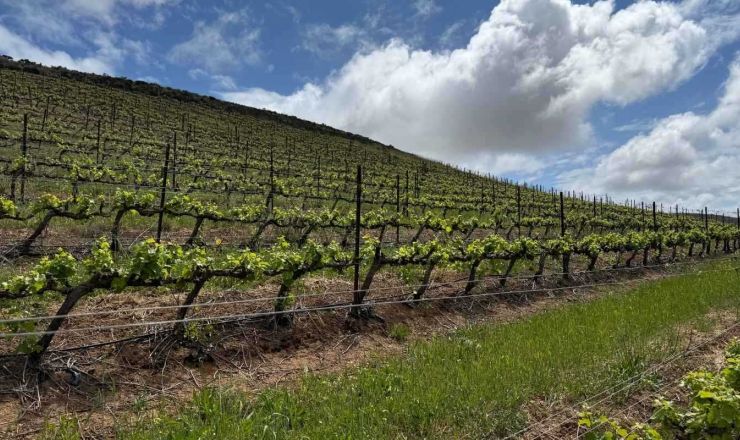
Making wine in Cape Town's Philadelphia ward
Havana Hills overlooks Table Mountain and the Atlantic Seaboard from its perch atop one of the region’s smallest wards, Philadelphia. Piet Kleinhans recently took over the reins as winemaker.
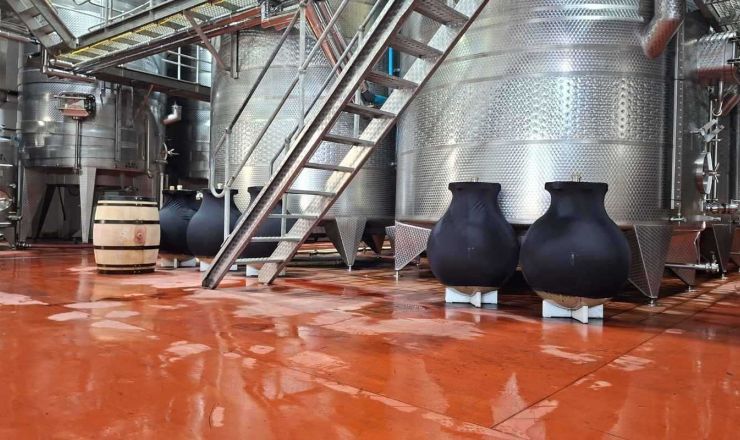
What's so special about wine globes?
Diemersdal places a strong focus on innovation, and there’s always something new up their sleeve. Wineglobes represent a new way of telling a story that’s centuries old.