
One vineyard. Eight components. Five years of patience.
What does it take to make South Africa’s top wine? For KWV winemaker Kobus van der Merwe, the answer starts in a Wellington vineyard, long before the first bubbles appear.
· 3 min read
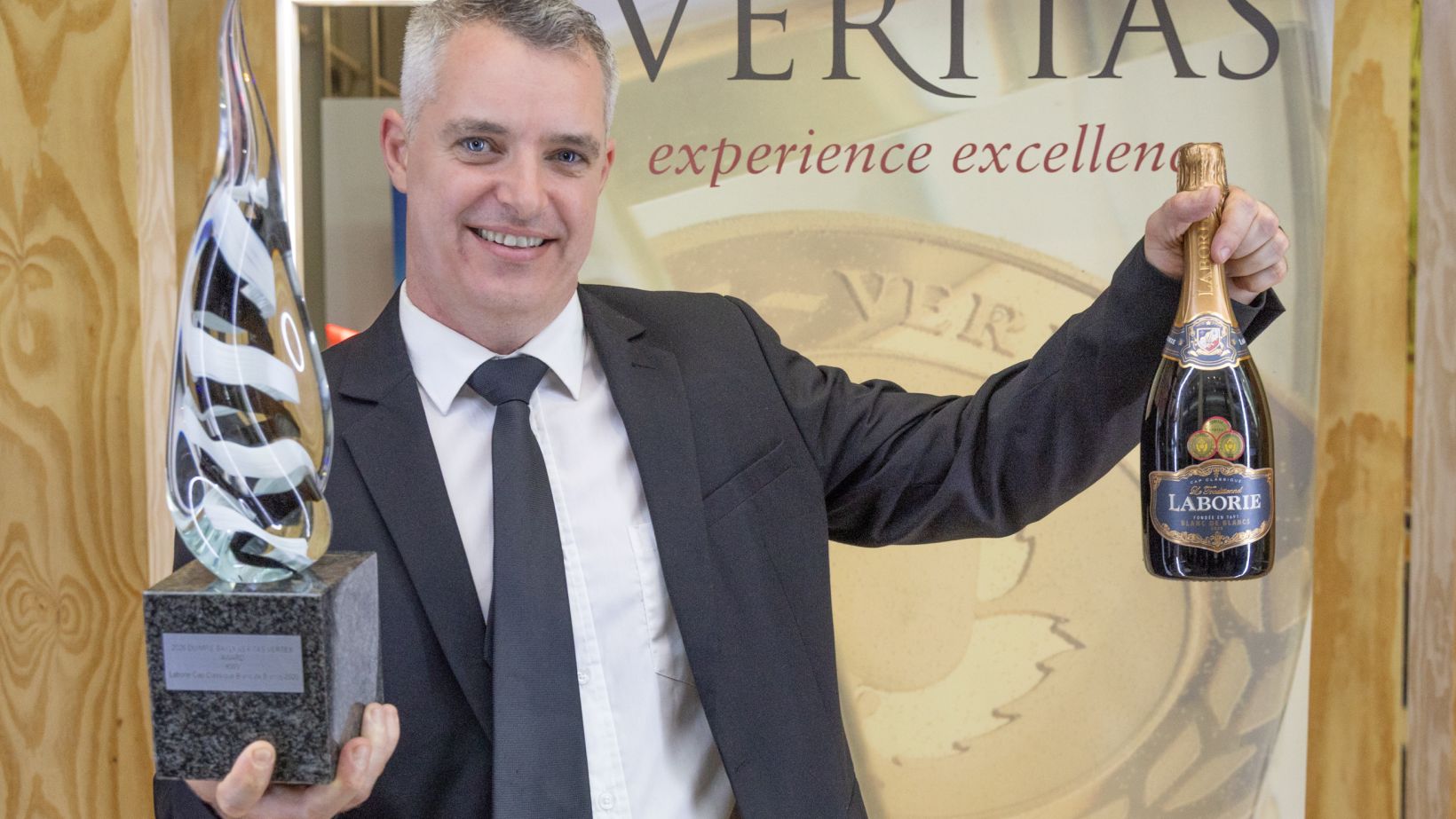
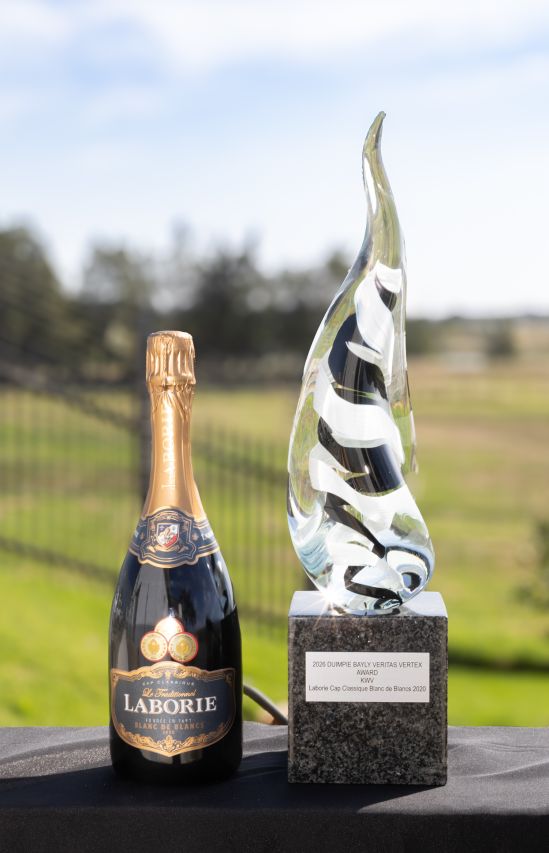
When KWV’s Laborie Blanc de Blancs 2020 claimed the Duimpie Bayly Vertex Trophy at the 2026 Veritas Awards, it was more than another win for the Paarl-based producer. It was only the third time a Cap Classique had taken the competition’s highest honour, selected from 1 293 entries.
Behind the winning wine is a single Chardonnay vineyard in Wellington and a winemaking process that requires decisions to be made years before anyone opens a bottle.
For KWV senior winemaker Kobus van der Merwe, who has worked with the Laborie brand since joining KWV in 2013, the vineyard is where much of the work begins.
One block, many possibilities
Although the grapes come from one vineyard, the block is anything but uniform. Differences in slope, soil and trellising mean that the grapes do not ripen at the same pace. Rather than harvesting everything together, Kobus and his team pick different sections at different stages of ripeness. Laboratory results help guide their decisions, but walking the vineyard and tasting the grapes remain part of the process.
Some rows are fermented separately, with portions going into different barrels. The result can be as many as eight components from a single vineyard block. And blending them is where experience becomes particularly important.
“You must obviously have a strategy in place about the duration of ageing and thereby determining the proportions, while predicting what the wine will look like in 24-36 months … even 60. It is a moving target,” Kobus explains.
The 2020 Blanc de Blancs spent almost 60 months ageing in bottle before disgorgement. During that time, the wine was regularly tasted and monitored as it developed the complexity and texture associated with extended lees ageing.
Kobus prefers minimal intervention at dosage, believing the wine should already have developed its identity through ageing.
The reward for waiting
The 2020 vintage has enjoyed a remarkable year. Just weeks before Veritas, it was named Best Wine on Show at the Amorim Cap Classique Challenge, where it also won Best Blanc de Blancs. It received 96 points at the Investec Trophy Wine Show, while Tim Atkin MW named it his Best Value Sparkling Wine of the Year.
For KWV, the Vertex Trophy was its fourth overall win, alongside 12 Double Gold and 12 Gold medals at this year’s Veritas Awards.
Yet Kobus sees the result as a team achievement, involving everyone from the vineyard to the cellar. “Cap Classique production is extremely difficult, with many steps requiring teamwork in total sync.”
There is also a personal connection to this particular vintage. The wine was made in 2020, during the uncertainty of Covid-19. “The 2020 Blanc de Blancs was made during Covid, so there is something quite special about seeing something so beautiful emerge from such a challenging time. I am incredibly proud of this wine.”

More from
Vineyard, cellar and production
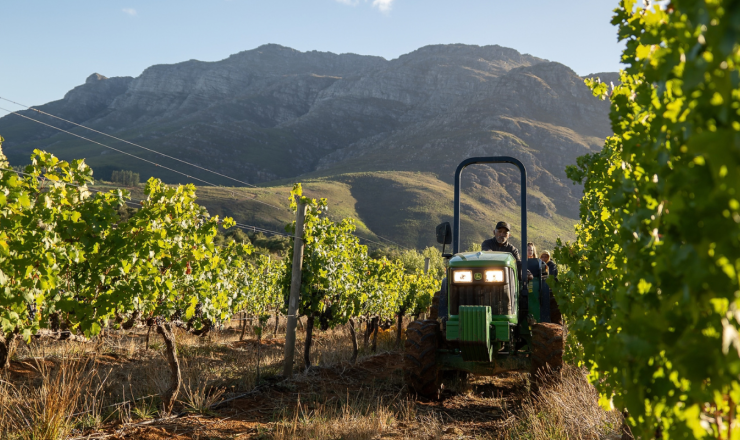
How to understand regenerative farming
Regenerative farming is becoming part of the language of modern viticulture, but what does it actually look like in a vineyard?
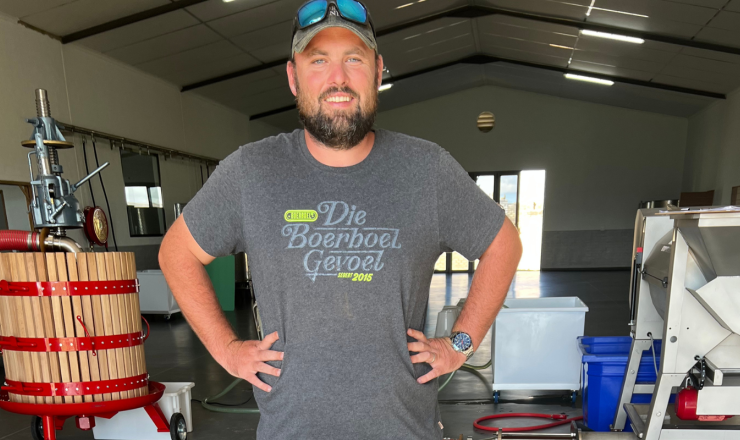
JC Smith praat oor wynmaak in die Oos-Vrystaat
JC Smith is ’n derdegeslag-wynmaker. Sy oupa Dassie en pa Flip was albei wynmakers, en hy het tussen wingerde en wynkelders grootgeword. Hy is tans die wynmaker by Blydschap in die Oos-Vrystaat.
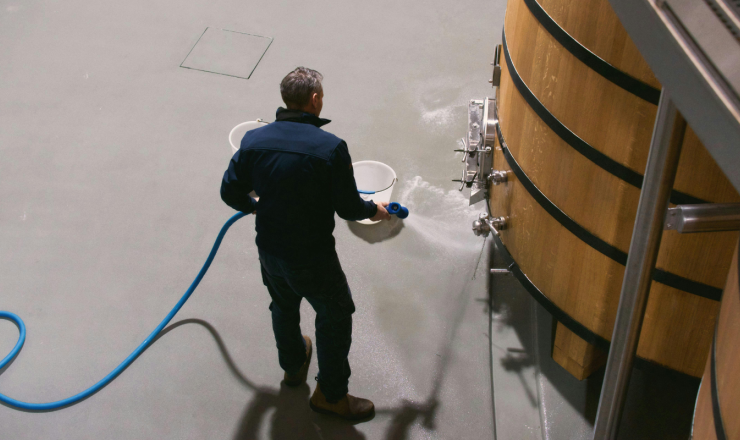
Cellar hygiene
Maintaining a spotless wine cellar requires a comprehensive management plan, which includes structural design, equipment sanitation, environmental controls and routine microbial monitoring.