
JC Smith praat oor wynmaak in die Oos-Vrystaat
JC Smith is ’n derdegeslag-wynmaker. Sy oupa Dassie en pa Flip was albei wynmakers, en hy het tussen wingerde en wynkelders grootgeword. Hy is tans die wynmaker by Blydschap in die Oos-Vrystaat.

· 4 min read
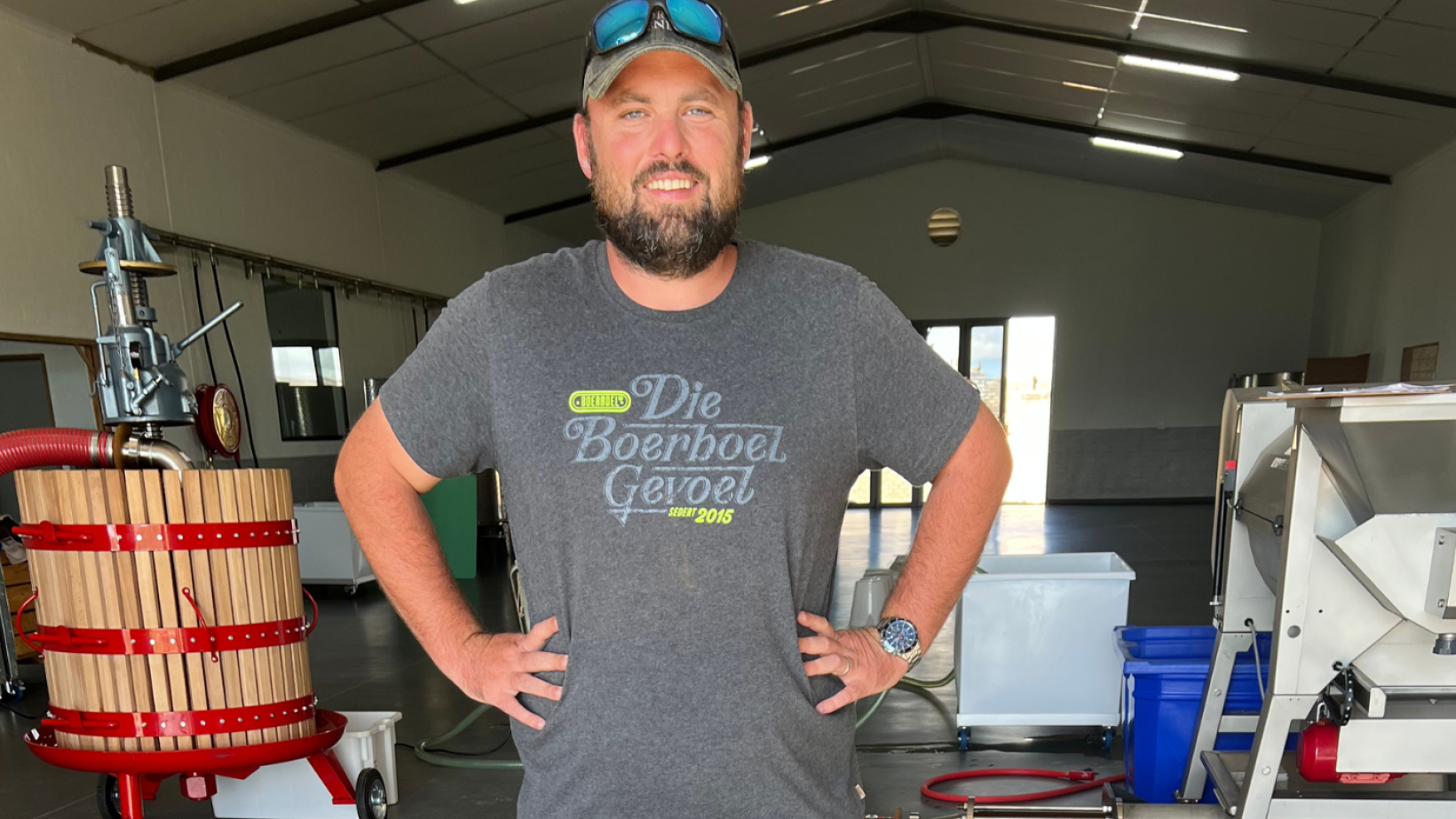
JC Smith beskryf wynmaak as ’n familie-erfenis en bou op drie geslagte se kennis, met die doel om die Oos-Vrystaat se wynpotensiaal te ontwikkel. Blydschap Wine Estate, tussen Clarens en Fouriesburg, se hoë ligging, klei- en sandsteengrond en groot dag-nag-temperatuurverskille bevorder stadige rypwording en natuurlike suur; in die kelder word ’n minimalistiese benadering gevolg. Laat lenteryp, hael, sterk winde, ’n kort groeiseisoen en logistieke afstand stel uitdagings, terwyl praktiese ervaring hom geleer het om die natuur te lees en aan te pas.
Summary written by AI from this article. The full article is under “Deep dive”.
Listen to this article· 5 min
Passage 1 of 5
Read aloud by an AI voice. The words are the article’s own, nothing is summarised or translated.
Hoe het jy wynmaak as loopbaan gekies?
Wynmaak is vir my nie net 'n beroep nie, maar 'n familie-erfenis wat oor geslagte heen oorgedra is. Ek het my loopbaan begin deur 'n jaar lank in die Kaap onder my pa wyn te maak, waar ek waardevolle praktiese ervaring opgedoen het. Daarna het ek vir sewe jaar as assistent-wynmaker saam met hom in die Drakensberge in KwaZulu-Natal gewerk. Vandag het ek ongeveer 13 jaar se ervaring in die wynbedryf, en ek bou voort op die kennis en ervaring wat ek oor drie geslagte heen ontvang het. Dit is my passie om die potensiaal van die Oos-Vrystaat as wynstreek verder te ontwikkel.
Wat is die grond en klimaat van julle wingerde?
Blydschap Wine Estate is geleë tussen Clarens en Fouriesburg in die Oos-Vrystaat, op die internasionale grens tussen Suid-Afrika en Lesotho. Sover ons kennis strek, is dit die enigste wynplaas in Suid-Afrika wat direk op 'n internasionale grens geleë is. Ons hoogste wingerd is ongeveer 1 700 meter bo seespieël, wat Blydschap Wine Estate die hoogste wynplaas in Suid-Afrika maak.
Die plaas se grond bestaan hoofsaaklik uit kleigrond met sandsteen, wat uitstekende waterhouvermoë, goeie dreinering en sterk wortelontwikkeling bevorder. Die hoë ligging, warm somers, koue winters en groot temperatuurverskille tussen dag en nag skep ideale toestande vir stadige rypwording. Dit help om die druiwe se natuurlike suur te behou en bevorder uitstekende geur-, kleur- en geurstofontwikkeling. Hierdie unieke kombinasie van hoogte, klimaat en terroir gee aan ons wyne 'n karakter wat eie is aan die Oos-Vrystaat.
Wat is jou grootste uitdagings in die wingerd en kelder?
Die grootste uitdagings is laat lenteryp, haelstorms, sterk winde en die risiko van vroeë herfsryp. Vanweë ons hoë ligging is die groeiseisoen korter as in die tradisionele wynstreke. Die klimaat vereis dat ons voortdurend aanpas by veranderende toestande. In die kelder is die uitdaging om die kwaliteit en karakter van elke oes te bewaar, aangesien geen twee oesjare dieselfde is nie.
Ons fokus op noukeurige wingerdbestuur en monitor die wingerde deurentyd om betyds op weersveranderinge te reageer. Elke wingerdblok word volgens sy eie behoeftes bestuur. In die kelder volg ons 'n minimalistiese benadering, waar ons die natuurlike karakter van die druiwe en die terroir so min moontlik versteur. Ons glo dat groot wyn in die wingerd gemaak word, en dat die kelder daardie kwaliteit moet bewaar.
Watter ander uitdagings is daar so ver van die res van die bedryf af?
Die afstand vanaf die gevestigde wynstreke bring logistieke uitdagings mee. Vervoerkoste is hoër en dit neem langer om toerusting, onderdele en wynmaakbenodigdhede te bekom. Tegniese ondersteuning en spesialisdienste is ook nie altyd onmiddellik beskikbaar nie. Dit vereis deeglike beplanning, selfstandigheid en kreatiewe probleemoplossing.
Die Oos-Vrystaat beskik oor 'n unieke terroir wat nêrens anders in Suid-Afrika voorkom nie. Die hoë ligging, koel nagte en warm dae sorg vir wyne met uitstekende natuurlike suur, goeie kleur en intense aromas. Die stadiger rypwording laat die druiwe toe om meer kompleksiteit te ontwikkel. Omdat die streek nog relatief onbekend as wyngebied is, bied dit die geleentheid om iets nuuts te skep en die Vrystaat as 'n wynstreek op die kaart te plaas.
Watter lesse het jy uit jou ervaring daar geleer wat nie tydens jou formele studies opgeduik het nie?
Ek het geleer dat die natuur altyd die laaste sê het. Geen twee seisoene is dieselfde nie, en geen handboek kan jou volledig voorberei op wat elke oes gaan bring nie. Formele opleiding gee jou die wetenskap agter wynmaak, maar praktiese ervaring leer jou om geduldig te wees, die natuur te lees en voortdurend aan te pas. Ek het ook geleer dat elke terroir sy eie identiteit het, en dat die wynmaker se taak is om daardie identiteit so eerlik moontlik in elke bottel vas te vang.
How did you choose winemaking as a career?
For me, winemaking is not just a profession, but a family heritage passed down through the generations. I began my career by spending a year making wine under my father in the Cape, where I gained valuable hands-on experience. I then worked alongside him for seven years as an assistant winemaker in the Drakensberg in KwaZulu-Natal. Today, I have about 13 years of experience in the wine industry, building on the knowledge and experience passed down to me over three generations. I am passionate about further developing the potential of the Eastern Free State as a wine region.
What are the soils and climate like in your vineyards?
Blydschap Wine Estate is situated between Clarens and Fouriesburg in the Eastern Free State, on the international border between South Africa and Lesotho. To the best of our knowledge, it is the only wine farm in South Africa situated directly on an international border. Our highest vineyard is about 1 700 metres above sea level, making Blydschap Wine Estate the highest wine farm in South Africa.
The farm’s soils consist mainly of clay and sandstone, which promote excellent water retention, good drainage and strong root development. The high altitude, warm summers, cold winters and wide temperature swings between day and night create ideal conditions for slow ripening. This helps preserve the grapes’ natural acidity and encourages excellent flavour, colour and aroma development. This unique combination of altitude, climate and terroir gives our wines a character that is distinctive to the Eastern Free State.
What are your biggest challenges in the vineyard and cellar?
The biggest challenges are late spring frosts, hailstorms, strong winds and the risk of early autumn frosts. Because of our high altitude, the growing season is shorter than in the traditional wine regions. The climate requires us to continually adapt to changing conditions. In the cellar, the challenge is to preserve the quality and character of each harvest, as no two vintages are the same.
We focus on careful vineyard management and monitor the vineyards constantly so that we can respond to weather changes in good time. Each vineyard block is managed according to its own needs. In the cellar, we take a minimalist approach, disturbing the natural character of the grapes and the terroir as little as possible. We believe great wine is made in the vineyard, and that the cellar’s role is to preserve that quality.
What other challenges come with being so far from the rest of the industry?
The distance from the established wine regions brings logistical challenges. Transport costs are higher, and it takes longer to get equipment, spare parts and winemaking supplies. Technical support and specialist services are not always immediately available either. This calls for careful planning, self-reliance and creative problem-solving.
The Eastern Free State has a unique terroir unlike anywhere else in South Africa. The high altitude, cool nights and warm days produce wines with excellent natural acidity, good colour and intense aromas. Slower ripening allows the grapes to develop greater complexity. As the region is still relatively unknown as a wine-producing area, it offers the opportunity to create something new and put the Free State on the map as a wine region.
What lessons have you learnt from your experience there that didn’t come up during your formal studies?
I have learnt that nature always has the final say. No two seasons are the same, and no textbook can fully prepare you for what each harvest will bring. Formal training teaches you the science behind winemaking, but practical experience teaches you to be patient, read nature and adapt constantly. I have also learnt that every terroir has its own identity, and that the winemaker’s task is to capture that identity as honestly as possible in every bottle.
Translated from the Afrikaans by AI. The Afrikaans article is the original.

More from
Vineyard, cellar and production
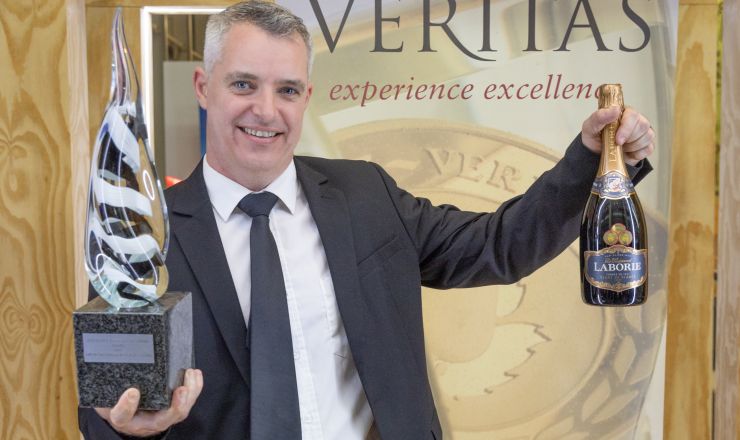
One vineyard. Eight components. Five years of patience.
When KWV’s Laborie Blanc de Blancs 2020 claimed the Duimpie Bayly Vertex Trophy at the 2026 Veritas Awards, it was more than another win for the Paarl-based producer. It was only the third time a Cap Classique had taken the competition’s highest honour, selected from 1 293 entries.
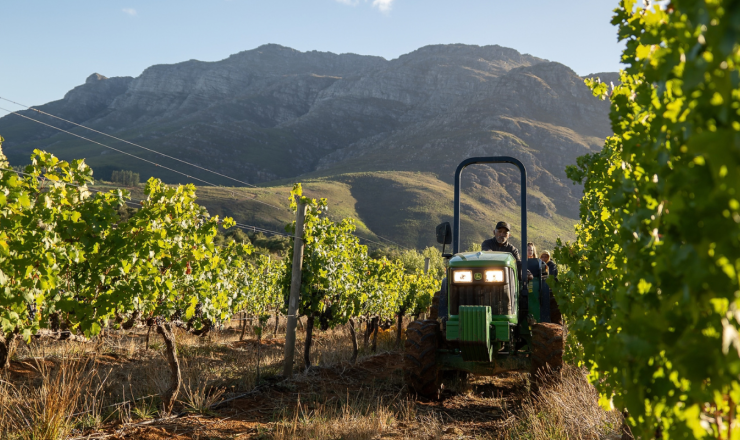
How to understand regenerative farming
Regenerative farming is becoming part of the language of modern viticulture, but what does it actually look like in a vineyard?
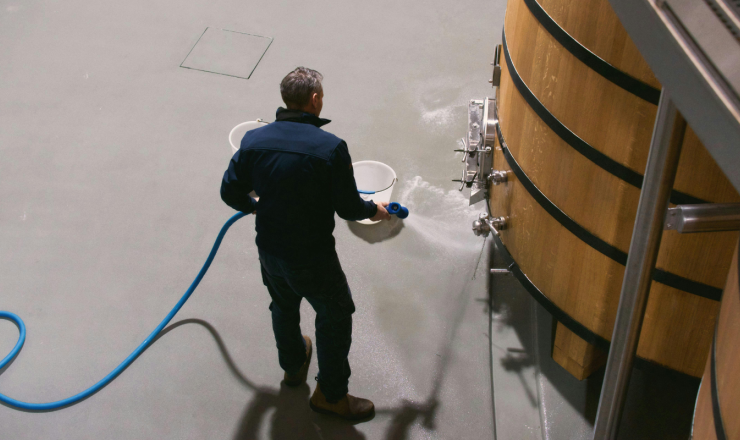
Cellar hygiene
Maintaining a spotless wine cellar requires a comprehensive management plan, which includes structural design, equipment sanitation, environmental controls and routine microbial monitoring.