
Latest
Articles by Karen Freitag
9 articles — page 1 of 1
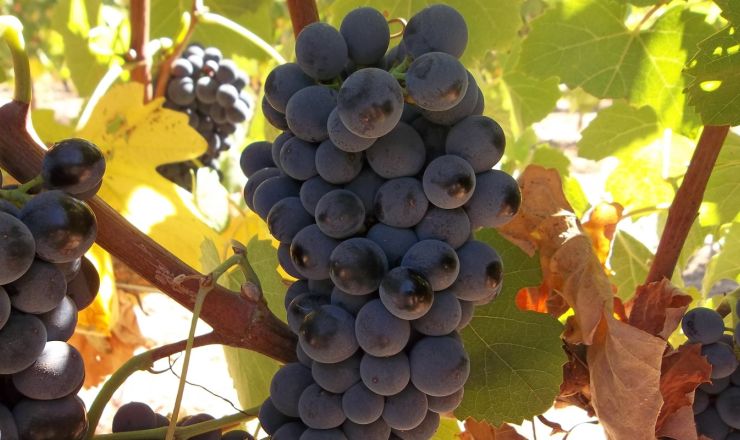
Drought tolerance of different scion cultivars (Part 4): Vegetative growth and yield
The study aimed to assess grapevine vegetative and yield responses in an almost worst-case scenario, i.e. grapevines growing under dryland conditions in sandy loam soil in the Swartland region.
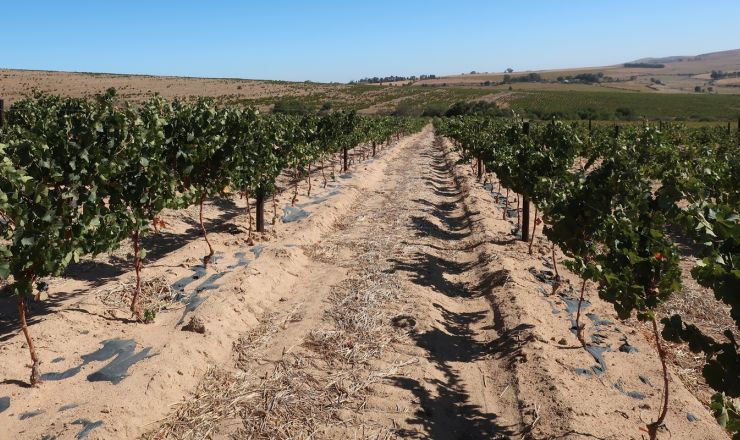
Drought tolerance of different scion cultivars (Part 3): Grapevine water status
the objective of the study was to assess the grapevine water status of selected reference and alternative scion cultivars under dryland conditions in the Swartland region. It must be noted that the study aimed to assess grapevine responses in an almost worst-case scenario, i.e. grapevines growing…
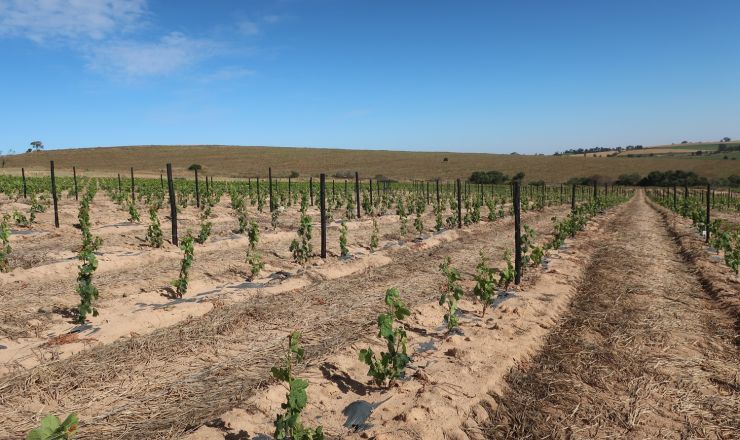
Drought tolerance of different scion cultivars (Part 2): Soil water status
The objective of the study was to assess the vegetative growth, yield and wine quality response of selected alternative and reference wine grape scion cultivars to dryland conditions in the Swartland region of South Africa.
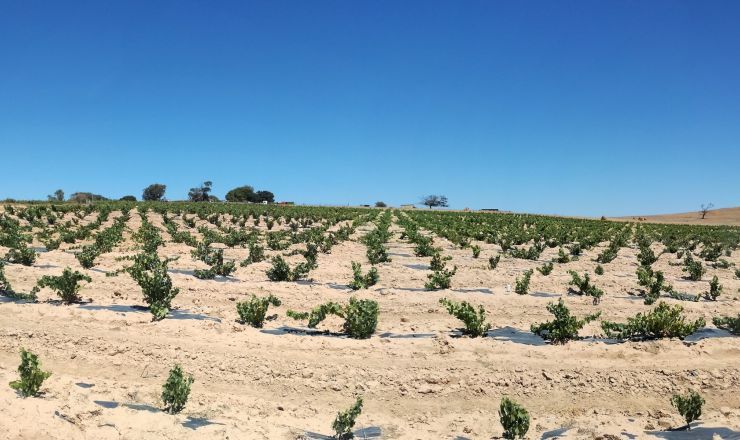
Drought tolerance of different scion cultivars (Part 1): Introduction
The objective of the study was to assess the vegetative growth, yield and wine quality response of selected alternative and reference wine grape scion cultivars to dryland conditions in the Swartland region of South Africa.
Winery wastewater for irrigation (Part 5): Grapevine and wine responses
Where wineries are surrounded by vineyards, diluted winery wastewater could be used as an alternative source of water for irrigation rather than water from natural resources.

Winery wastewater for irrigation (Part 4): Soil responses
Using winery wastewater for irrigation adds substantial amounts of potassium and sodium to the soil.

Winery wastewater for irrigation (Part 3): Vineyard catch- and cover crop responses
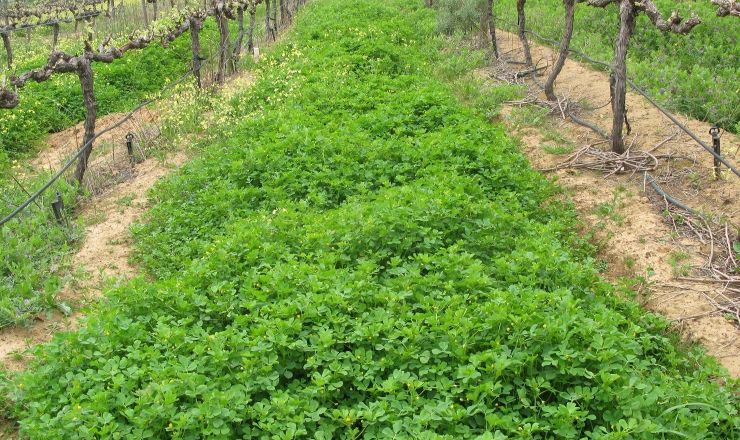
During wine production, wineries produce large volumes of poor-quality wastewater. This wastewater can be used for irrigation, but this delivers substantial amounts of elements to the soil.

Winery wastewater for irrigation (Part 2): Evaluation of catch crops on open land
Winery wastewater has a high chemical oxygen demand (COD) with high levels of potassium (K) and sodium (Na). Using it for irrigation adds substantial amounts of elements such as K and Na to the soil, therefore maximising element removal by means of a catch crop is important.
Winery wastewater for irrigation (Part 1): Irrigation application and water quality
Irrigation with winery wastewater needs to be optimised to minimise leaching, whilst maximising nutrient removal by means of a catch crop is a necessity.