
Drought tolerance of different scion cultivars (Part 1): Introduction
The objective of the study was to assess the vegetative growth, yield and wine quality response of selected alternative and reference wine grape scion cultivars to dryland conditions in the Swartland region of South Africa.
Carolyn Howell, Karen Freitag and Reckson Mulidzi
· 14 min read
Abstract
Grapevines depend on adequate water for sustainable yield and quality. According to climate change forecasts, the Western Cape of South Africa’s rainfall could become lower. In drier regions such as the Swartland, many vineyards are grown under dryland conditions or with limited volumes of irrigation water. During droughts, vineyards produce low yields and may produce poor-quality wine. In this regard, drought tolerance refers to the degree to which a plant is adapted to arid or drought conditions. Therefore, the risk of yield losses for dryland, as well as irrigated vineyards, could be reduced if drought-tolerant scion cultivars are planted more extensively. However, there is no scientifically based information regarding the growth, yield and quality of alternative scion cultivars in South Africa. Consequently, the study was conducted to generate this knowledge to make recommendations to the wine industry. Nine red and eight white cultivars were included in the field trial. Penetrometer readings taken after soil preparation confirmed that the soil was loosened effectively, and that there would be no physical limitations to root development of the newly planted grapevines over a depth of 90 cm. This is important when grapevines are cultivated under dryland conditions. The driest and wettest winters of the study were 2022 and 2023, respectively.
Introduction
Grapevines require irrigation to produce sustainable yields with consequent acceptable wine quality. However, rainfall in the Western Cape Province, South Africa, could become lower due to climate change. The region recently experienced a drought, with water restrictions even being imposed on urban water users. In drier production regions, e.g. the Swartland, many vineyards are grown dryland or with limited volumes of irrigation water. In other regions where irrigation is possible, e.g. Lower Olifants River, low winter rainfall frequently results in water restrictions being imposed. During droughts, grapevines produce low quantities of grapes with the possibility of poor wine quality. Drought tolerance refers to the degree to which a plant is adapted to arid or drought conditions and is becoming an important consideration in wine grape cultivation. Therefore, the risk of yield losses for dryland and irrigated vineyards could be reduced if drought-tolerant scion cultivars are to be planted more extensively.
Given that drought-tolerant scion cultivars could ensure more sustainable viticulture in dryland and irrigated regions, or if climate change results in reduced rainfall, a survey was carried out by ARC Infruitec-Nietvoorbij among viticulturalists about possible alternative scion cultivars with drought-tolerant properties. In this regard, they identified several alternative drought-tolerant scion cultivars that could hold promise for the South African wine industry. However, there was no scientifically based information regarding growth, yield and quality aspects for these recommended alternative scion cultivars under South African conditions.
Taking the above-mentioned into account, the objective of the study was therefore to assess the vegetative growth, yield and wine quality response of selected alternative and reference wine grape scion cultivars to dryland conditions in the Swartland region of South Africa. The study would generate the knowledge to make recommendations on the selection of alternative scion cultivars based on scientifically verified results. It must be noted that the study aimed to assess grapevine responses in an almost worst-case scenario, i.e. grapevines growing under dryland conditions in a sandy loam soil in the Swartland region. This would enable extrapolation of the findings to other soil-climate scenarios.
Experimental layout
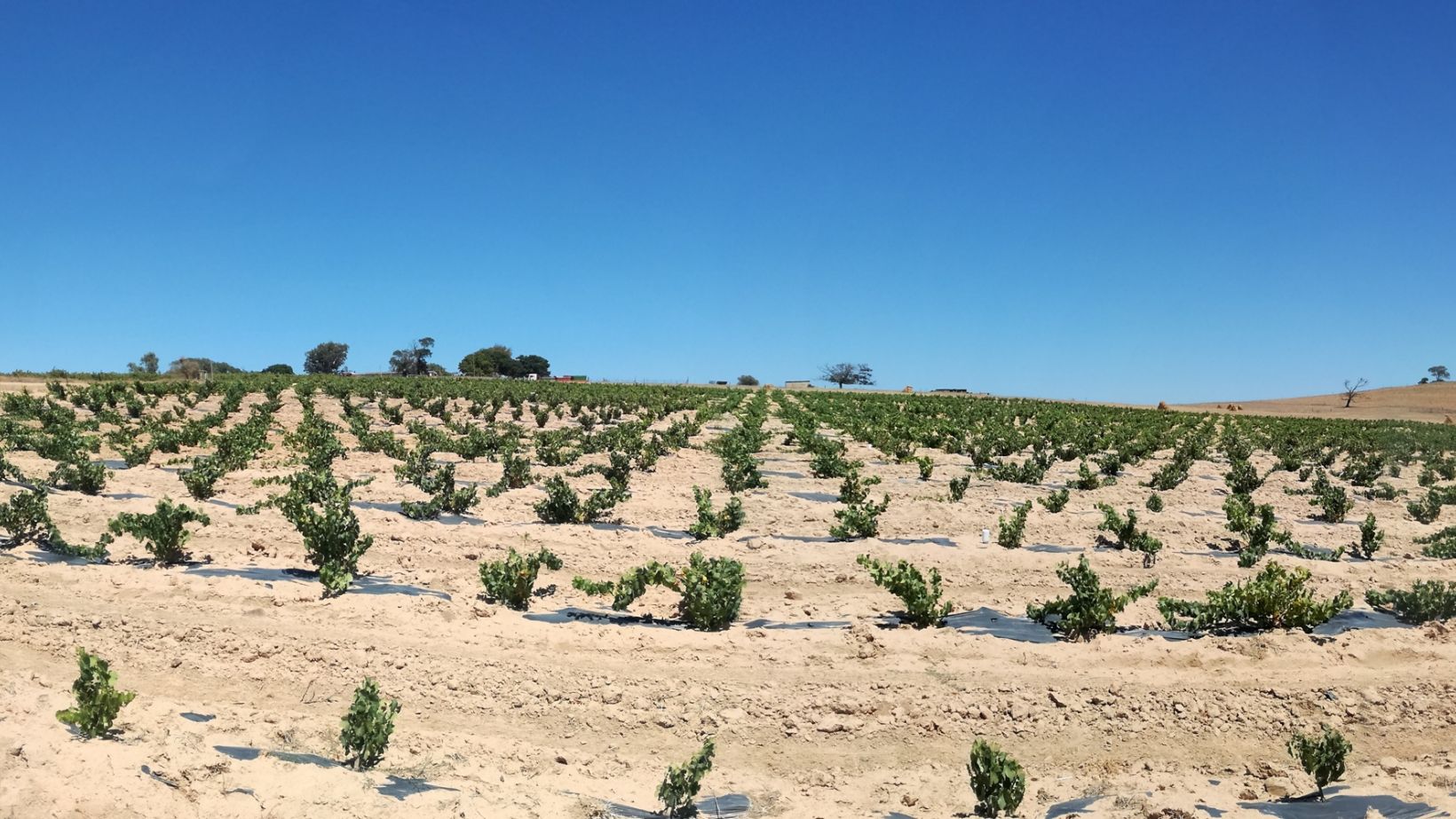
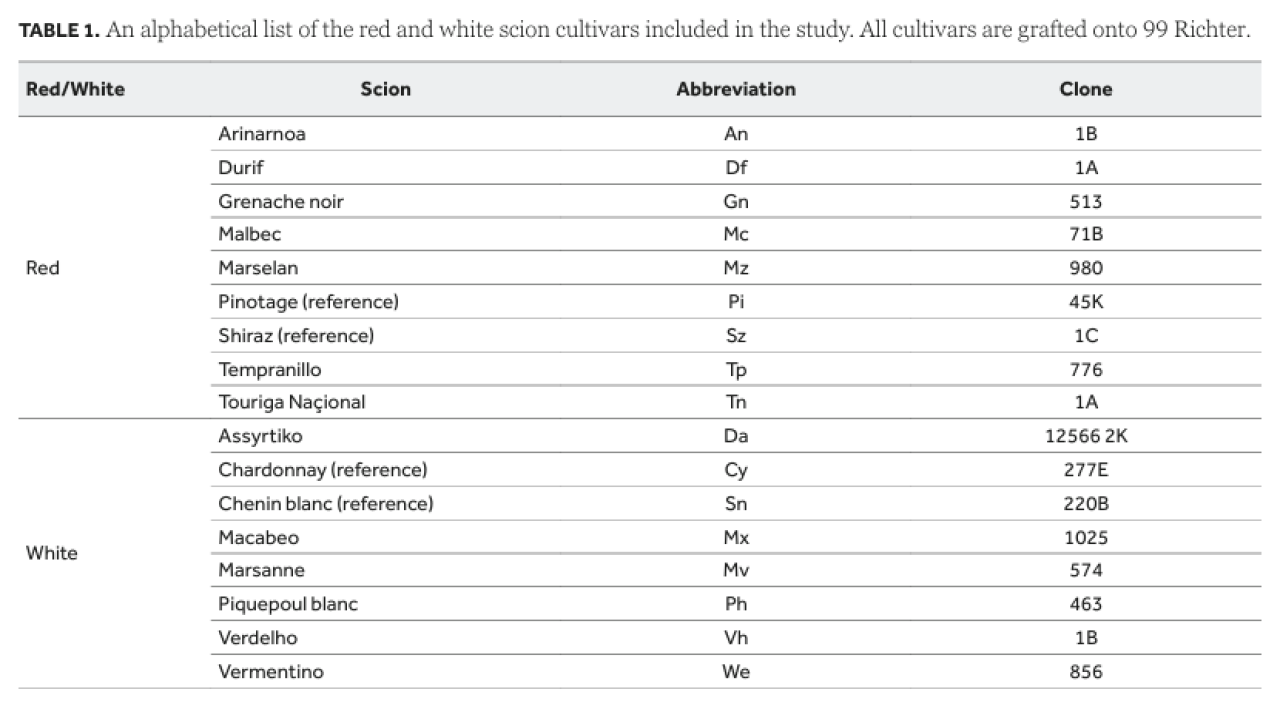
The experimental vineyard was located on the westerly side of Malmesbury, South Africa (-33.46110; 18.66872). Nine red and eight white cultivars (Table 1) were selected based on recommendations from experts in the South African wine industry. The yield of the grapevines was measured from the 2020/21 to 2023/24 seasons. The alternative wine grape scion cultivars that were to be evaluated in the study are cultivated commercially along the Mediterranean Sea and in France. Pinotage, Shiraz, Chenin blanc and Chardonnay were selected as reference cultivars for the red and white grape cultivars, respectively. All cultivars were grafted onto 99 Richter rootstock and planted in July 2018. Each cultivar was replicated three times in a randomised block design. Grapevines were planted 3.00 m × 1.25 m and trained onto a moveable five-strand lengthened Perold trellis. At planting, a black plastic film was laid on the soil surface to act as a surface mulch. Grapevines were cultivated under dryland conditions.
Soil preparation
Proper, effective soil preparation is critical where grapevines are grown under dryland conditions. Preparation of the soil was carried out in middle May 2018. Before the deep tillage, 10 t/ha calcitic lime and 1.5 t/ha super phosphate was broadcasted to adjust the soil pH and level of phosphorus (P). The soil was first ripped downslope, followed by a cross rip along the contour. For both rip actions, the furrow width was 50 - 60 cm. Blades were attached on either side of the single ripper tine to direct some of the topsoil containing the ameliorants into the soil, directly behind the ripper (Figure 1).
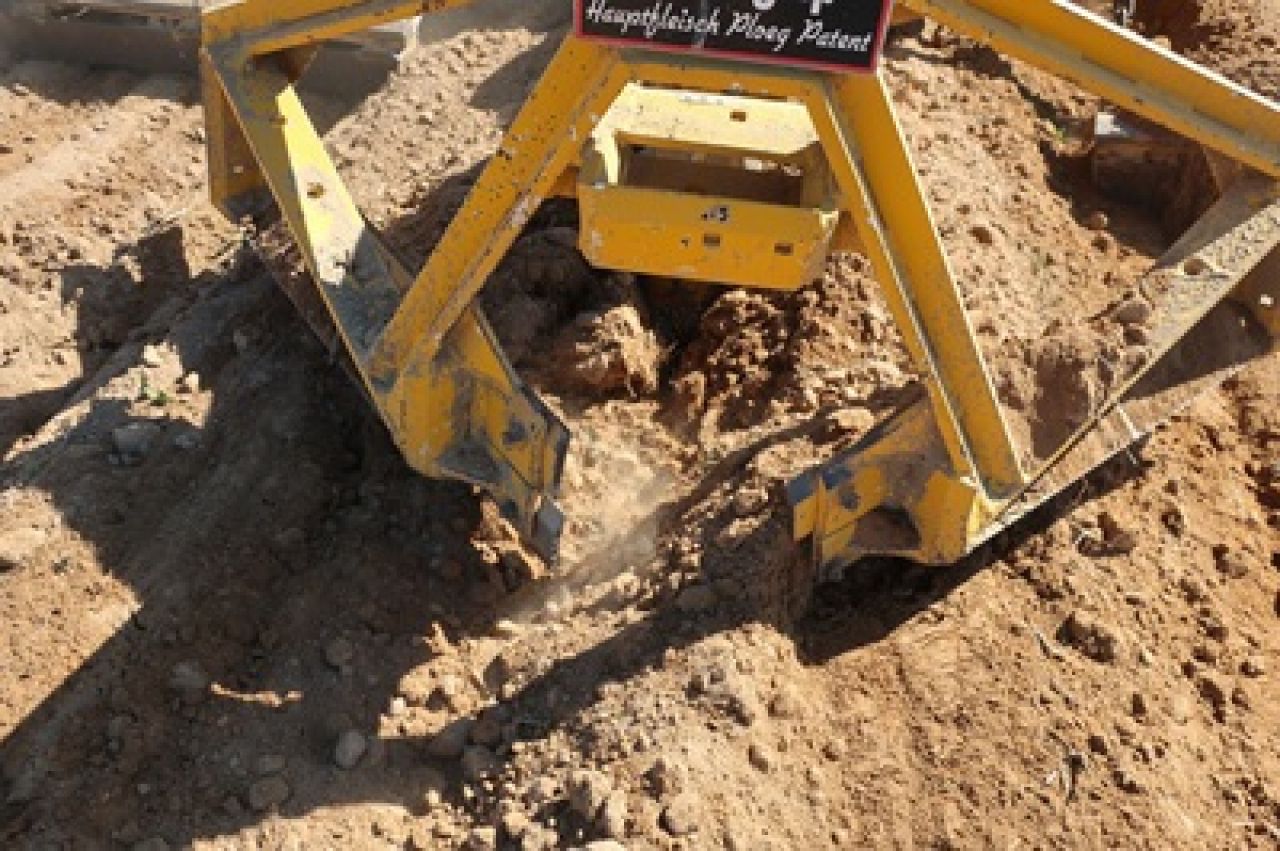
FIGURE 1. There were blades on either side of the ripper tine to create mixing of the ameliorants deeper into the soil.
Since the grapevines would be cultivated under dryland conditions, penetration resistance was measured to quantify the efficacy of the above-mentioned soil preparation. Measurements were carried out near the top, middle and bottom of the slope using a handheld mechanical recording penetrometer. At each slope position, penetration resistance was measured at a number of positions perpendicular to the work direction after the first and second rip. The width of each measurement trajectory was 1 m, and measurements were taken 10 cm apart. Penetration resistance was also measured after 32 mm rain fell during the week following the soil preparation. At that stage, the soil water content (SWC) was closer to field capacity, which is the optimum range for measuring penetration resistance. Since the soil was too dry for penetrometer readings before preparation, penetration resistance was measured in an undisturbed part of the land after the rainfall.
Since the penetration resistance at the top, middle and bottom sections of the plot where the experimental vineyard was to be laid out, was comparable, the data was pooled to calculate mean values for the field trial. Without soil preparation the root depth would have been limited to ca. 40 cm, i.e. the depth where penetration resistance exceeded 2 000 kPa (Figure 2). The latter is considered to be the limit for root penetration. Since the land was previously used for cereal growing, a distinct plough pan occurred around 20 cm. This would probably also have impeded root development. After the first rip, the soil was loosened to a depth of 90 cm (Figure 2). However, clods still caused the penetration resistance to be above 2 000 kPa below 30 cm soil depth. Following the cross rip, the penetration resistance was lower, but still close to the threshold. The reason for this was that the soil was only moist, whereas the threshold is only applicable to conditions near field capacity. In fact, when penetration resistance was measured after the rain, the maximum was only ca. 1 000 kPa (Figure 2). This confirmed that the soil was loosened effectively, and that there would be no physical limitations to root development of newly planted grapevines over a depth of 90 cm.
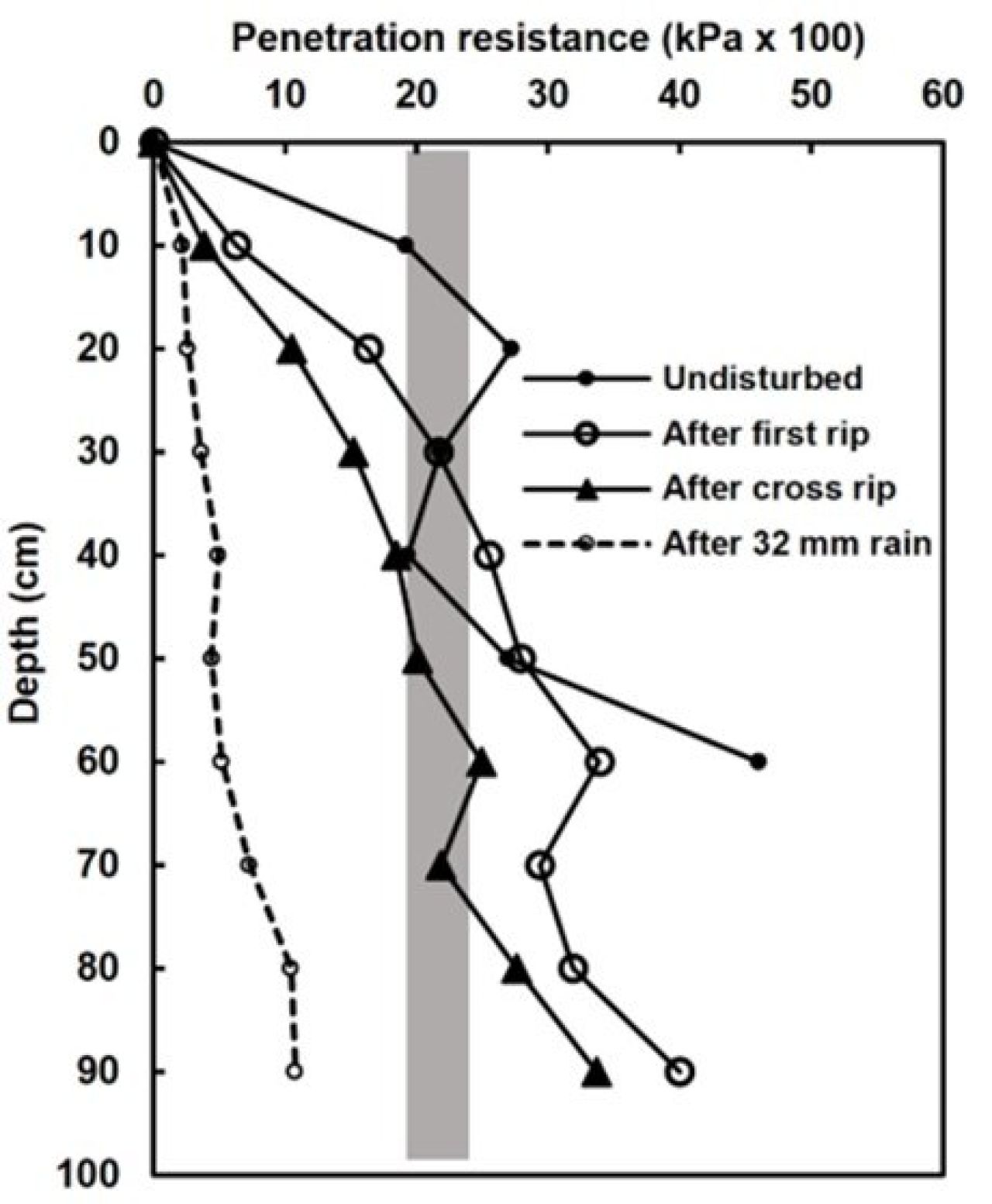
FIGURE 2. Penetration resistance measured in undisturbed soil, after the first and second (cross) rip, as well as after 32 mm rainfall.
Penetration resistance measurements were also carried out in August 2021. After three years, the penetration resistance on the grapevine row and in the middle of the work row was still below the critical limit for root penetration, i.e. 2 000 kPa, down to a depth of 90 cm (Figure 3). The latter was approximately the depth of soil preparation. It should be noted that, surprisingly limited re-compaction occurred on the wheel track, and that the penetration resistance was also below 2 000 kPa. At this stage there is no explanation for this trend, except that limited traffic probably occurred when the soil was wet. The foregoing confirmed that the method of soil preparation, i.e. cross rip, was successful under the prevailing conditions.
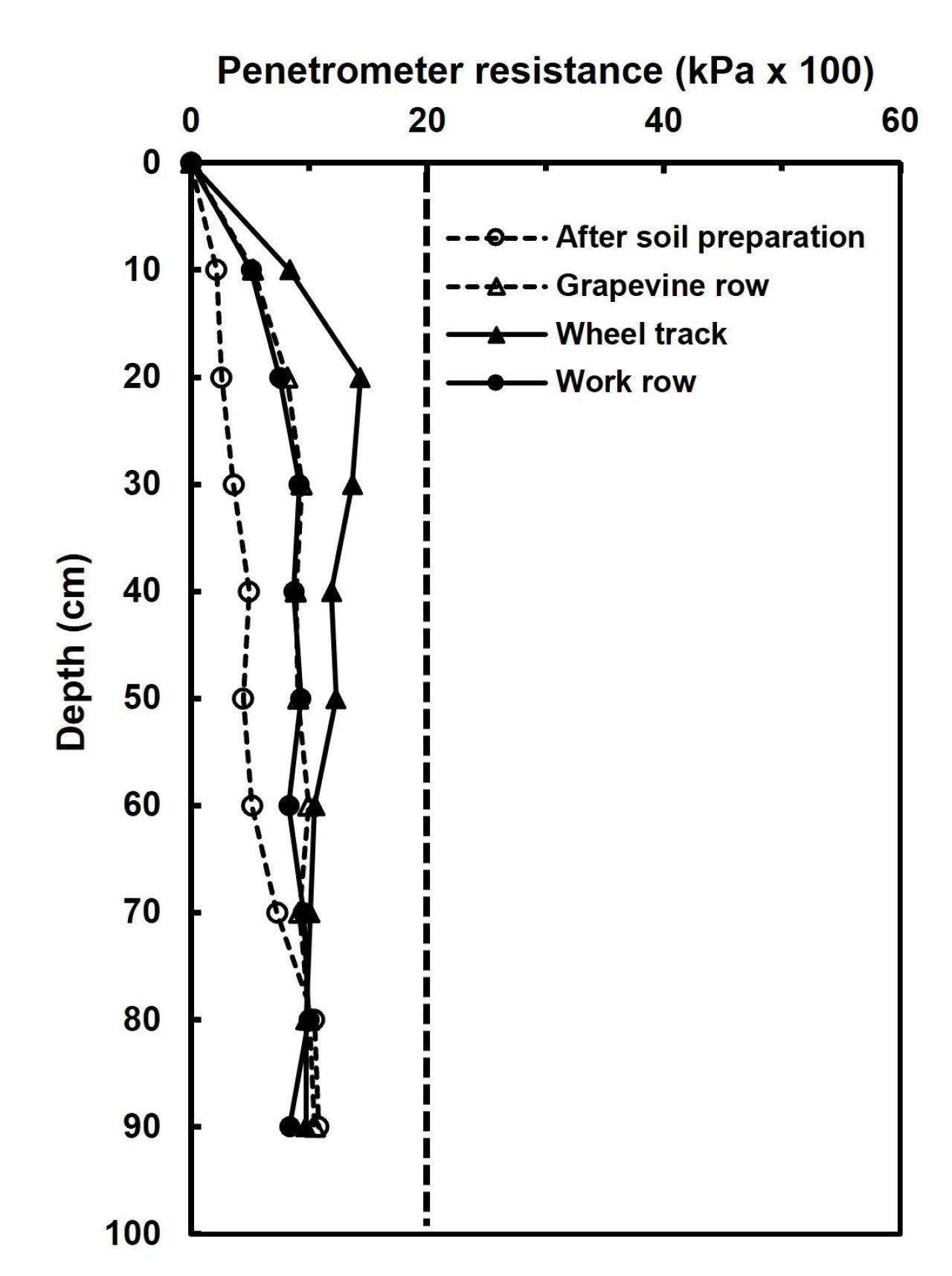
FIGURE 3. Penetration resistance measured on the grapevine row, work row and wheel track in August 2021.
Soil chemical status and texture
Soil samples were collected on 25 July 2018, i.e. after the grapevines were planted, to determine the baseline soil chemical status. Samples were taken over 30 cm increments to a depth of 1.5 m and were analysed by a commercial laboratory.
Soil analyses indicated that there were no chemical constraints to a depth of 60 cm when the grapevines were planted (data not shown). With the exception of the 120 - 150 cm soil layer, soil pH(KCl) was within the norm of 5.0 - 7.5 recommended for optimal grapevine growth. As expected, there were no signs of salinity or sodicity throughout the soil profile. The low organic carbon reported by the laboratory for the samples (data not shown) is typical of the soils in the Western Cape. The 0 - 30 cm and 30 - 60 cm soil layers were described as being sandy loam of texture, whereas soil layers deeper than 60 cm were clay. Water stored in the deep clay layers could be a useful water source during summer, i.e. if adequate winter rainfall occurs. Although the acidity could restrict root penetration into the deeper layers, water could move up into the root zone via capillary rise during summer.
Vine establishment
All the cultivars were planted on 9 July 2018. Given that it was of cardinal importance to ensure that the correct cultivar vines were planted at the correct replication plots, the project team first laid out all the young grapevines at each plant hole (Figure 4) before the planting action commenced.
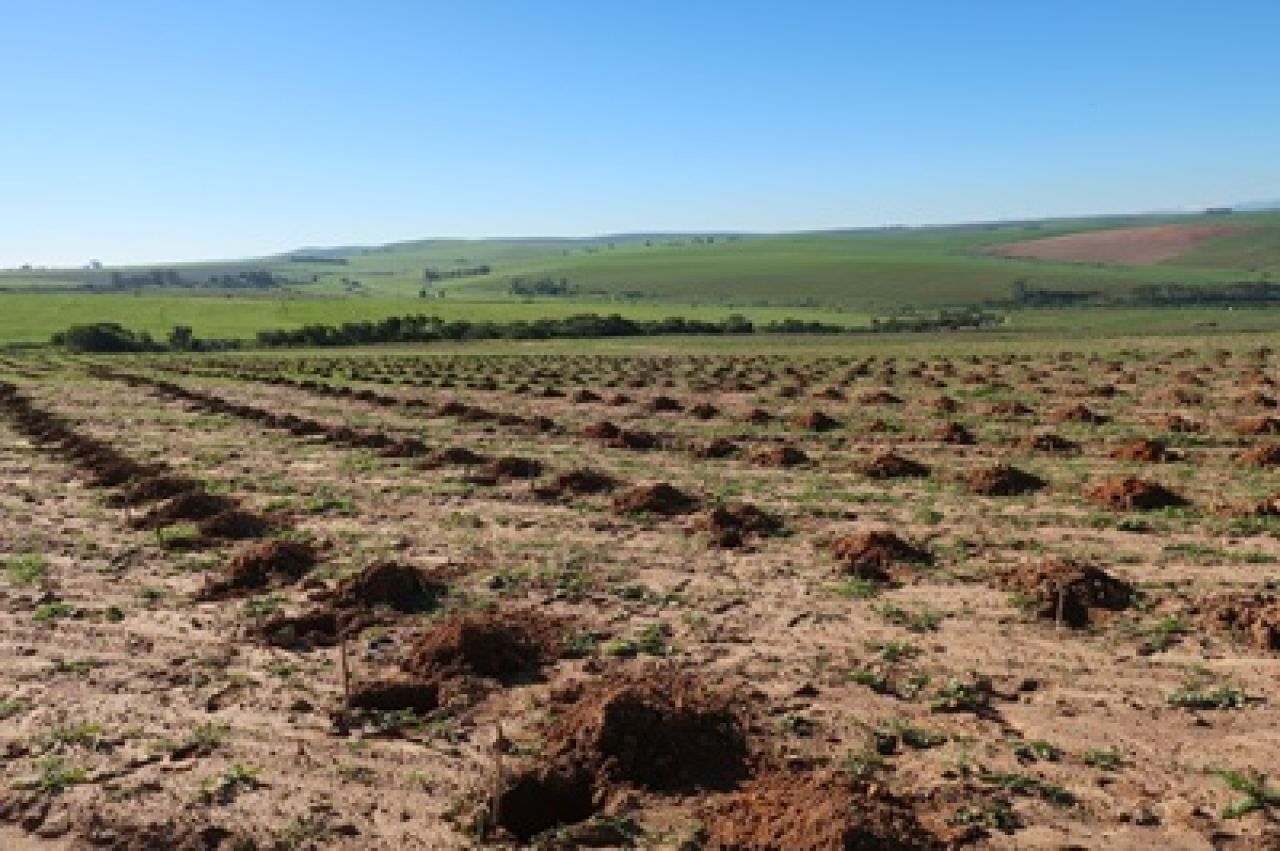
FIGURE 4. The project team first placed all the grapevines in the planting holes before the planting action commenced.
With the exception of the Shiraz, all the cultivars established reasonably well (Figures 5 and 6) after planting in 2018. Replacement grapevines for the Shiraz were ordered from Vititec and were planted in August 2019. In 2020, all the cultivars continued to establish reasonably well (Figure 7), but unfortunately, small antelope caused some damage in one of the Durif replication plots. Growth tubes were placed around the grapevines to avoid further damage. Replacement grapevines were ordered from Vititec in March 2020, and they were planted in August 2020. In 2021, small antelope still continued to cause damage in one of the Durif plots. Replacement grapevines were obtained from a nursery in November 2020. These grapevines were grown in bags at Nietvoorbij and the last replacement grapevines were planted in August 2021.
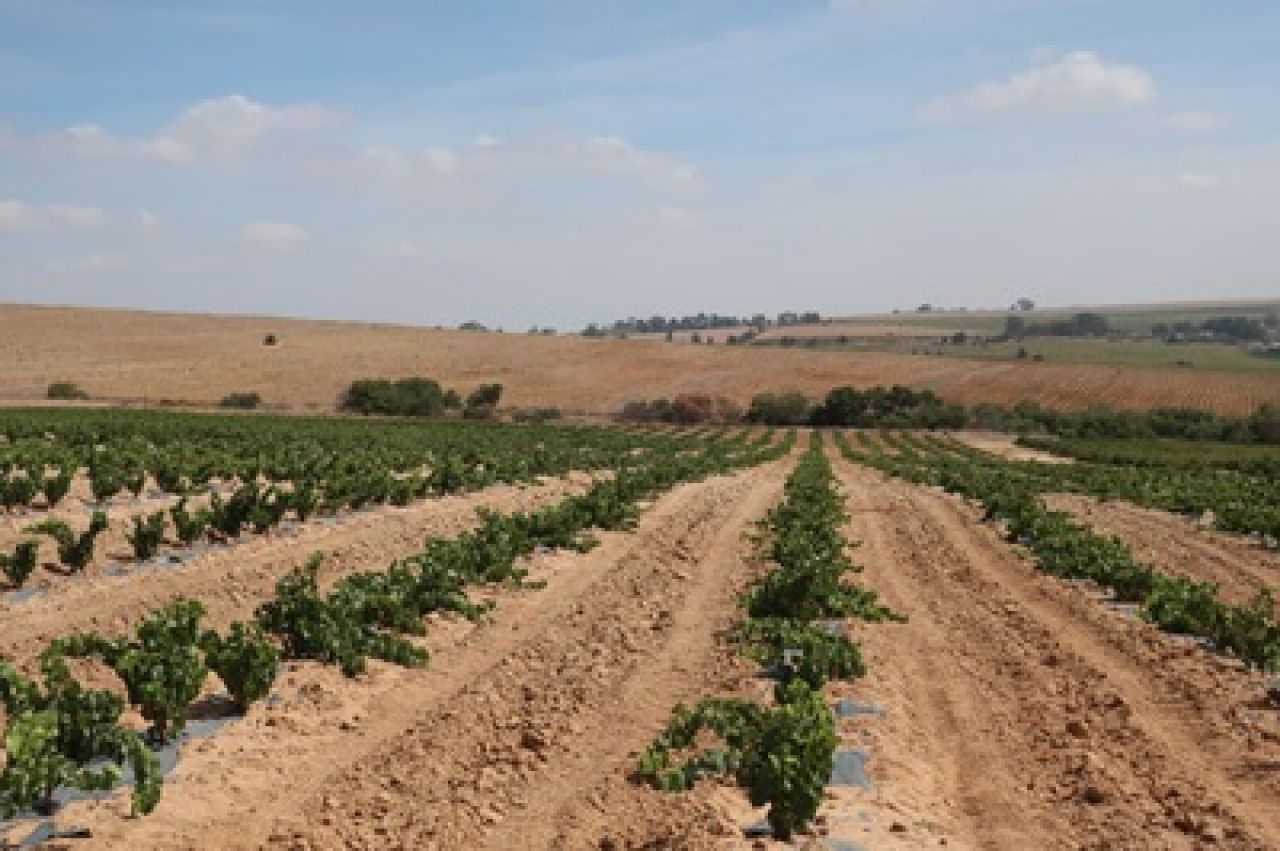
FIGURE 5. The one-year-old, newly planted grapevines as on 20 February 2019. Note the intact plastic film on the under-vine banks.
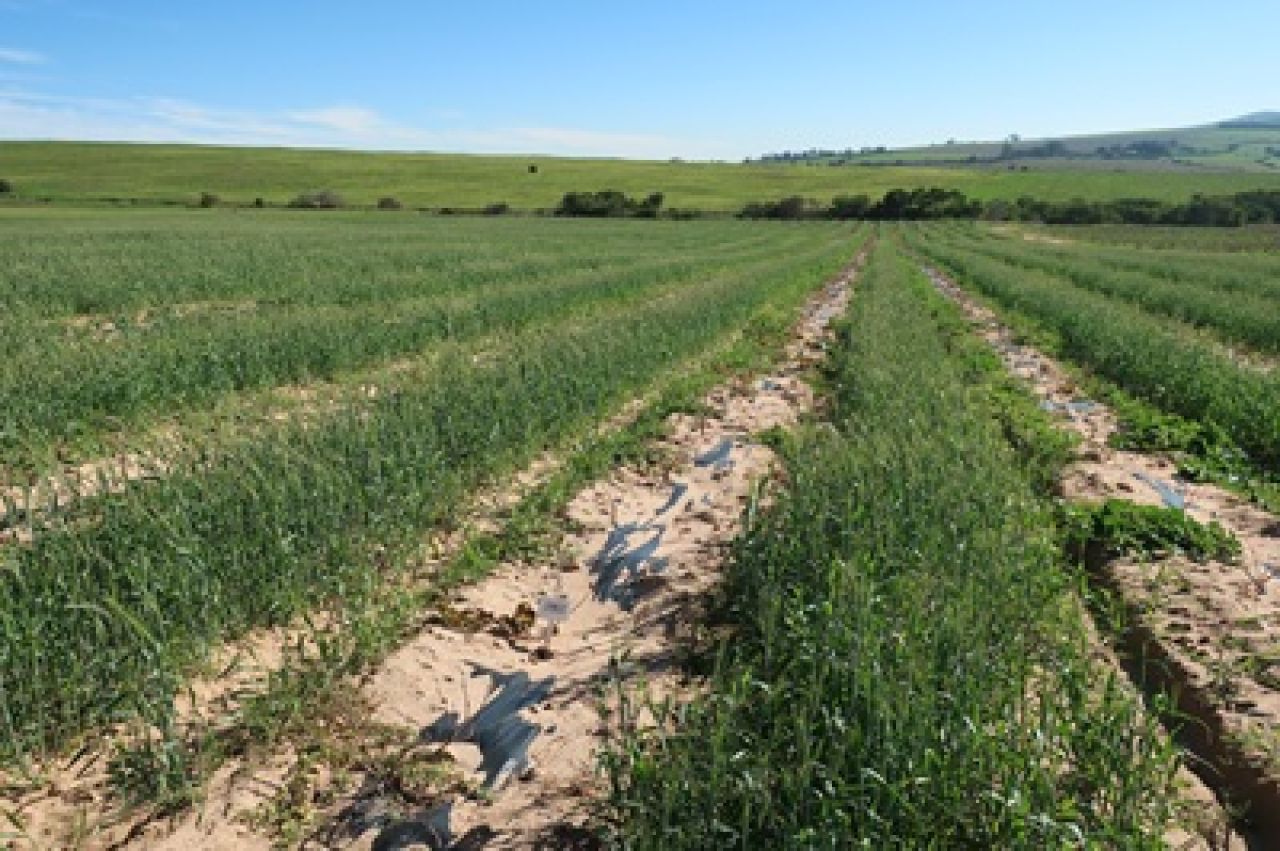
FIGURE 6. The stand of the winter cover crop growing in the experimental vineyard on 27 June 2019.
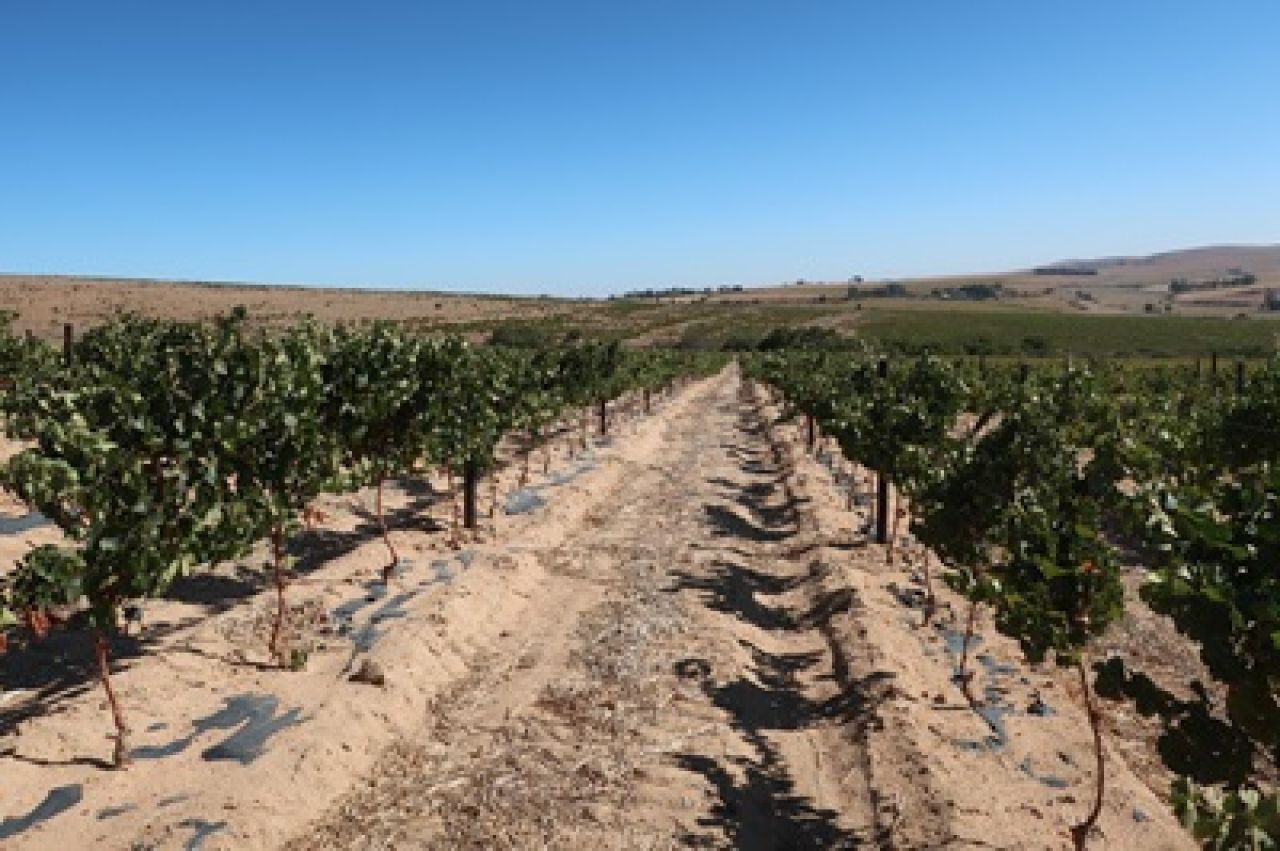
FIGURE 7. The two-year-old grapevines as on 19 March 2020. Note that the plastic film is still intact on the under-vine banks.
Rainfall
The Swartland region has a Mediterranean climate and is a Class III climatic region according to its growing degree days (GDD) from September to March. Rainfall is the only weather element measured at the field trial. A complete set of weather data since 2015 was also obtained from the ARC Institute for Soil, Climate and Water for the Schaapkraal automatic weather station which is approximately 9 km to the south of the field trial.
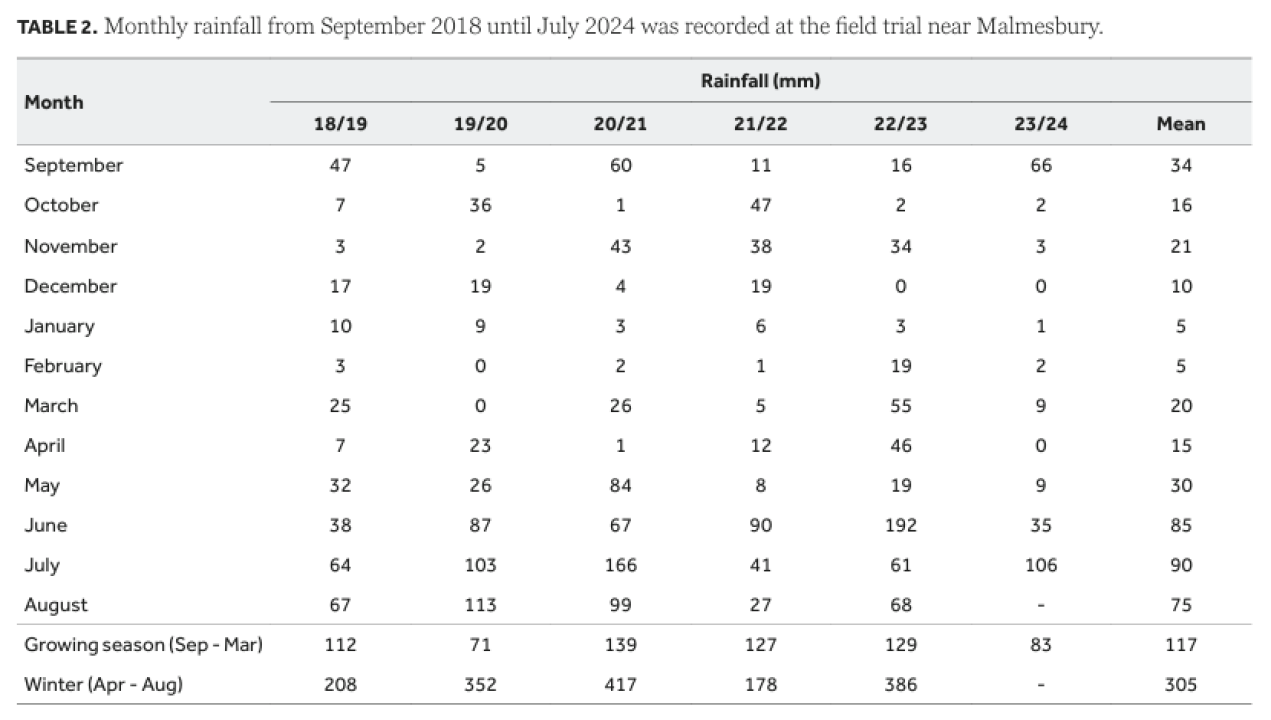
Rainfall in winter (April to August) was 208 mm, 352 mm, 417 mm, 178 mm and 386 mm for 2019, 2020, 2021, 2022 and 2023, respectively (Table 2). During the 2023/24 growing season, substantially more rain occurred in the preceding winter, particularly in June (Table 2). There was also a lot of rain in September 2023. During the 2022/23 growing season, appreciably less rain occurred in the preceding winter, particularly in July and August, compared to the second and third seasons. There was untimely rain in February and March 2023.
Conclusions
The soil was prepared properly to ensure optimal soil conditions for the proliferation of grapevine roots throughout the entire soil profile up to a depth of 1 m. This was important as the vineyard would be cultivated under dryland conditions. There were substantial differences in the winter rainfall during the course of the study and ranged from 178 mm to 386 mm. This variation in rainfall at the experimental vineyard would allow the project team to assess the responses of the selected cultivars when the winter rainfall was abnormally low or high. The project would also be conducted for four production seasons to assess whether the strong vegetative growth and high production of some of the cultivars would be sustainable over the long-term under the dryland conditions. Thereafter, a realistic assessment of the drought tolerance of the cultivars could be done and recommendations made to the South African wine industry.
Soil and grapevine responses will be presented in subsequent articles.
Acknowledgements
- South Africa Wine and the Agricultural Research Council (ARC) for funding Project P04000207 entitled “Assessing the drought tolerance of selected grapevine scion cultivars under dryland conditions in the Swartland region”.
- ARC for infrastructure and resources.
- Staff of the Soil and Water Science division at ARC Infruitec-Nietvoorbij for technical support, in particular J. Adams, F. Baron and T. Harris for their dedicated, enthusiastic work and support.
- H. Rossouw of Fairview Farm, Malmesbury, for allowing us to have the project on his farm and for his interest in the study and viticultural inputs. His staff for their inputs in the experimental vineyard.
- V. van Breda, C. Paulsen and other colleagues in the PHAT division at ARC Infruitec-Nietvoorbij for the analyses of the juice samples and the making of the experimental wines for the project.
- M. van der Rijst of ARC for statistical analyses of the data.
- South Africa Wine for funding for C.L. Howell to attend the 19th AWITC in Adelaide, Australia in July 2025.
References
- Lategan, E.L., 2011. Determining of optimum irrigation schedules for drip irrigated Shiraz vineyards in the Breede River Valley. Thesis, Stellenbosch University, Private Bag X1, 7602 Matieland (Stellenbosch), South Africa.
- Myburgh, P.A., 2011a. Response of Vitis viniferacv. Merlot to low frequency drip irrigation and partial root zone drying in the Western Cape Coastal region - Part I. Soil and plant water status. S. Afr. J. Enol. Vitic. 32, 89-103.
- Myburgh, P.A., 2011b. Response of Vitis viniferacv. Merlot to low frequency drip irrigation and partial root zone drying in the Western Cape Coastal region - Part II. Vegetative growth, yield and quality. S. Afr. J. Enol. Vitic. 32, 104-116.
- Myburgh, P.A., 2018. Handbook for irrigation of wine grapes in South Africa. Agricultural Research Council, Pretoria, South Africa.
- Lategan, E.L. & Howell, C.L., 2016. Deficit irrigation and canopy management practices to improve water use efficiency and profitability of wine grapes. WRC Report No. 2080/1/16. ISBN 978-1-4312-0816-6.
- Howell, C.L. & Myburgh, P.A., 2024. Response of Vitis viniferacv. Pinotage to irrigation strategy and trellis system in the Breede River Valley Region: Vegetative growth, yield and juice characteristics. S. Afr. J. Enol. Vitic. 45, 92-106.
- Howell, C.L., Myburgh, P.A. & Hoogendijk, K., 2022. Use of winery wastewater as a resource for irrigation of vineyards in different environments. WRC Report No. 2651/1/22. ISBN 978-0-6392-0341-6.
- Mehmel, T.O., 2010. Effect of climate and soil water status on Cabernet Sauvignon (Vitis vinifera ) grapevines in the Swartland region with special reference to sugar loading and anthocyanin biosynthesis. Thesis, Stellenbosch University, Private Bag X1, 7602 Matieland (Stellenbosch), South Africa.
- Bruwer, R.J., 2010. The edaphic and climatic effects on production and wine quality of Cabernet Sauvignon in the Lower Olifants River region. Thesis, Stellenbosch University, Private Bag X1, 7602 Matieland (Stellenbosch), South Africa.
- Merli, M.C., Magnanini, E., Gatti, M., Pirez, F.J., Buesa Pueyo,I., Intrigliolo, D.S. & Poni, S., 2016. Water stress improves whole-canopy water use efficiency and berry composition of cv. Sangiovese (Vitis vinifera) grapevines grafted on the new drought-tolerant rootstock M4. Agr. Water Manage. 169, 106-114.
- Gambetta, G.A., Carlos Herresa, J., Dayer, S., Feng, Q., Hochberg, U. & Castellarin, S.D., 2020. The physiology of drought stress in grapevines: towards an integrative definition of drought tolerance. J. Exp. Botany 71, 4658-4676.
- Saayman, D., 1981. Climate, soil and vineyard regions (in Afrikaans). Wingerdbou in Suid-Afrika. J. Burger & J. Deist (eds). ARC Infruitec-Nietvoorbij, Private Bag X5026 Stellenbosch 7599 South Africa.
- Winkler, A.J., 1974. General viticulture. University of California Press, Los Angeles.
- Moeletsi, M.E., Myeni, L., Kaempffer, L.C., Vermaak, D., de Nysschen, G., Henningse, C., Nel, I. & Rowswell, D., 2022. Climate dataset for South Africa by the Agricultural Research Council. Data, 7(8) 1-7.
For more information, contact Carolyn Howell at [email protected].
Click here to get your copy of WineLand Magazine.

More from
Vineyard, cellar and production
How to understand regenerative farming
Regenerative farming is becoming part of the language of modern viticulture, but what does it actually look like in a vineyard?
JC Smith praat oor wynmaak in die Oos-Vrystaat
JC Smith is ’n derdegeslag-wynmaker. Sy oupa Dassie en pa Flip was albei wynmakers, en hy het tussen wingerde en wynkelders grootgeword. Hy is tans die wynmaker by Blydschap in die Oos-Vrystaat.
Cellar hygiene
Maintaining a spotless wine cellar requires a comprehensive management plan, which includes structural design, equipment sanitation, environmental controls and routine microbial monitoring.