
Q&A with John-Murray Visser
· 3 min read
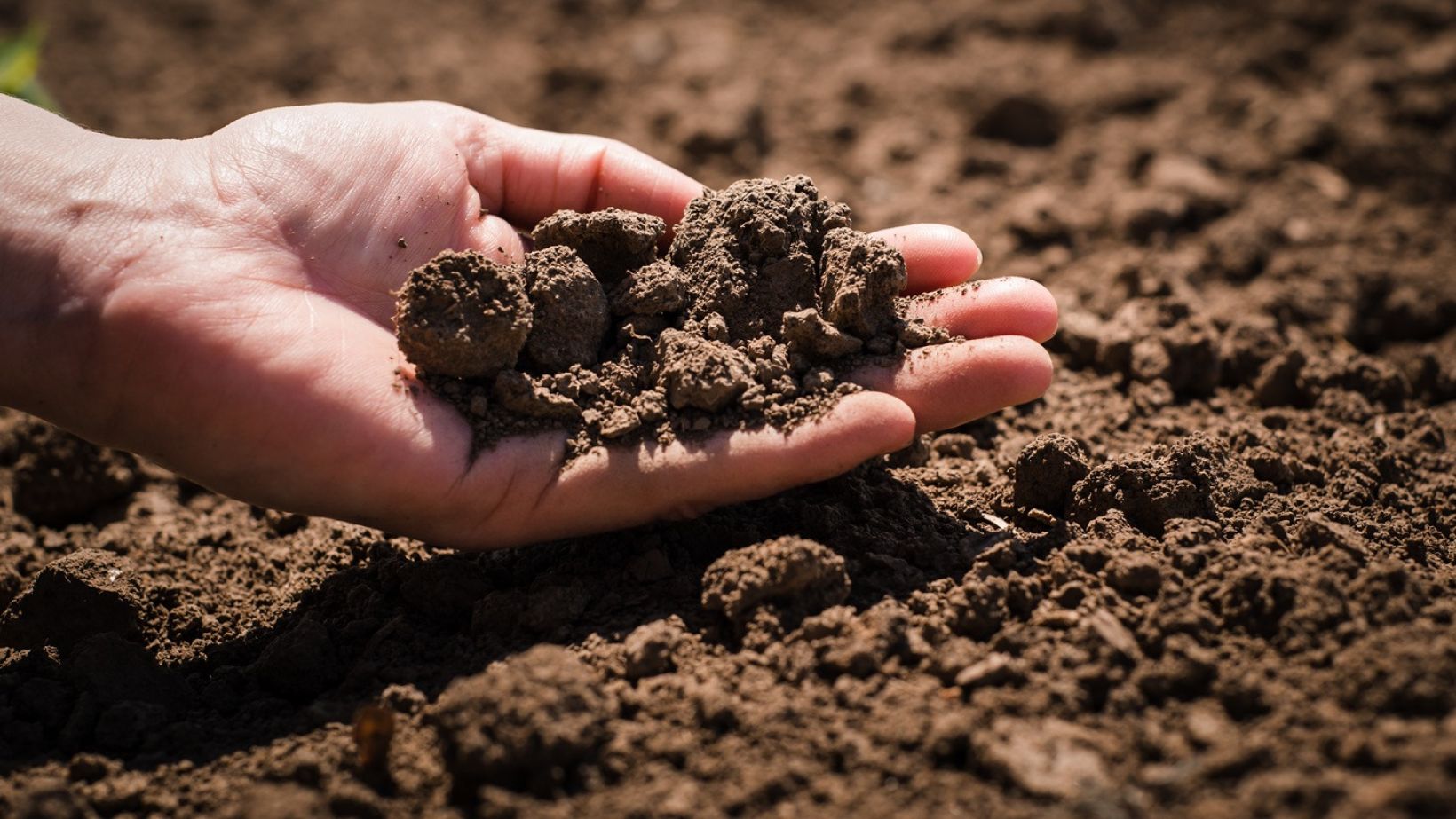
John-Murray Visser is a PhD candidate in the Department of Soil Science at Stellenbosch University, where he also works as a senior research assistant.

What is your current research focus?
My research follows water through the soil-plant-vine continuum. Currently, we are tracking how rain-fed wine grape cultivars in the Swartland respond to drought and how crop load shapes that response.
In practice, that means capacitance probes in the soil, a Scholander pressure chamber at the vine, and satellite imagery overhead, all pointed at one question: how do we grow quality fruit with less water?
Alongside this, I’m working on approaches to determining soil health in vineyard soils, looking at what makes ground under vines resilient over the long term.
My overall research focus is the interactions between the soil plant and atmosphere, but currently I am looking at how the previously mentioned system affects cultivars new to South Africa.
How does your research contribute to the South African wine industry?
By understanding how different cultivars (known and unknown) interact with the vastly different soils and climate we find in South Africa, we can truly help today’s producers understand what is currently going on in the vineyard.
This will lead to informed decision-making and contribute to economic growth in the long run.
Looking ahead, I want to close the gap between the research plot and the working vineyard, turning vine water-status data into irrigation decisions producers can actually use as the Cape’s climate keeps tightening the margins.
A memorable moment in your career so far?
Witnessing the robustness of dryland vineyard. It truly astonishes me what few resources grapevines need to grow (they flourish, but let’s not get ahead of ourselves!)
If you could collaborate with anyone (past or present), who would it be and why?
This is really a though one, I am already privileged to work with two of the best researchers in South Africa, Dr Johan van Zyl and Dr Phillip Myburgh. However, it would be a great honour to collaborate with Prof Larry E. Williams, Dr Xavier Choné and Prof Cornelis van Leeuwen. Both contributed greatly to the international wine and vine space. I feel I can learn a lot from just observing them work.
What gets you through deadlines?
When the going gets tough, I would just take a drive through nearby vineyards. It normally gives me the energy to keep pushing.
If you weren’t a researcher, what would you be doing?
I probably would’ve been a Nuclear Medicine Technologist. I am not sure if I would’ve worked in industry or taken the route of doing research.
What’s the best advice you’ve ever received?
Research work is slow work; don’t fight the process.
Favourite place to unwind after a busy week?
It’s more of an activity than a place, but people-watching with my wife.
If your research were a wine, what would it be and why?
Probably a Shiraz. I think I sometimes ask questions that go against the normal train of thought, and I feel this translates into the spicy, peppery notes a Shiraz sometimes has.

More from
Innovation and insights
Safeguarding agricultural biosecurity through insect diagnostics
Insect diagnostics are managed through the Plant Disease Clinic (PDC), based at Stellenbosch University, and have emerged as a critical advisory service for South African agriculture. This article outlines the scope of samples analysed by the PDC, the services it provides and the role it will play…

Packaging under pressure: What wine businesses should be watching
From lighter bottles to automated packing lines, packaging decisions are becoming increasingly important to the cost and competitiveness of South African wine.
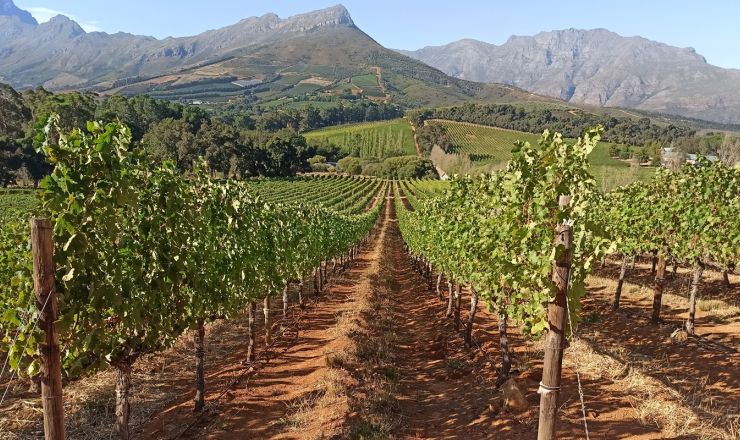
How vine water stress shapes grape and wine quality
This study formed part of the South Africa Wine programme “Grapevine production with limited water resources”, and aimed to evaluate how spatial and temporal water stress affects vine physiology, fruit composition and wine quality.