
Why wine smells like wine
The research suggests that the ‘wine’ character that distinguishes wine from other beverages, and also allows consumers to identify a product as ‘wine’, is entirely due to the metabolic activity of yeast.
· 4 min read
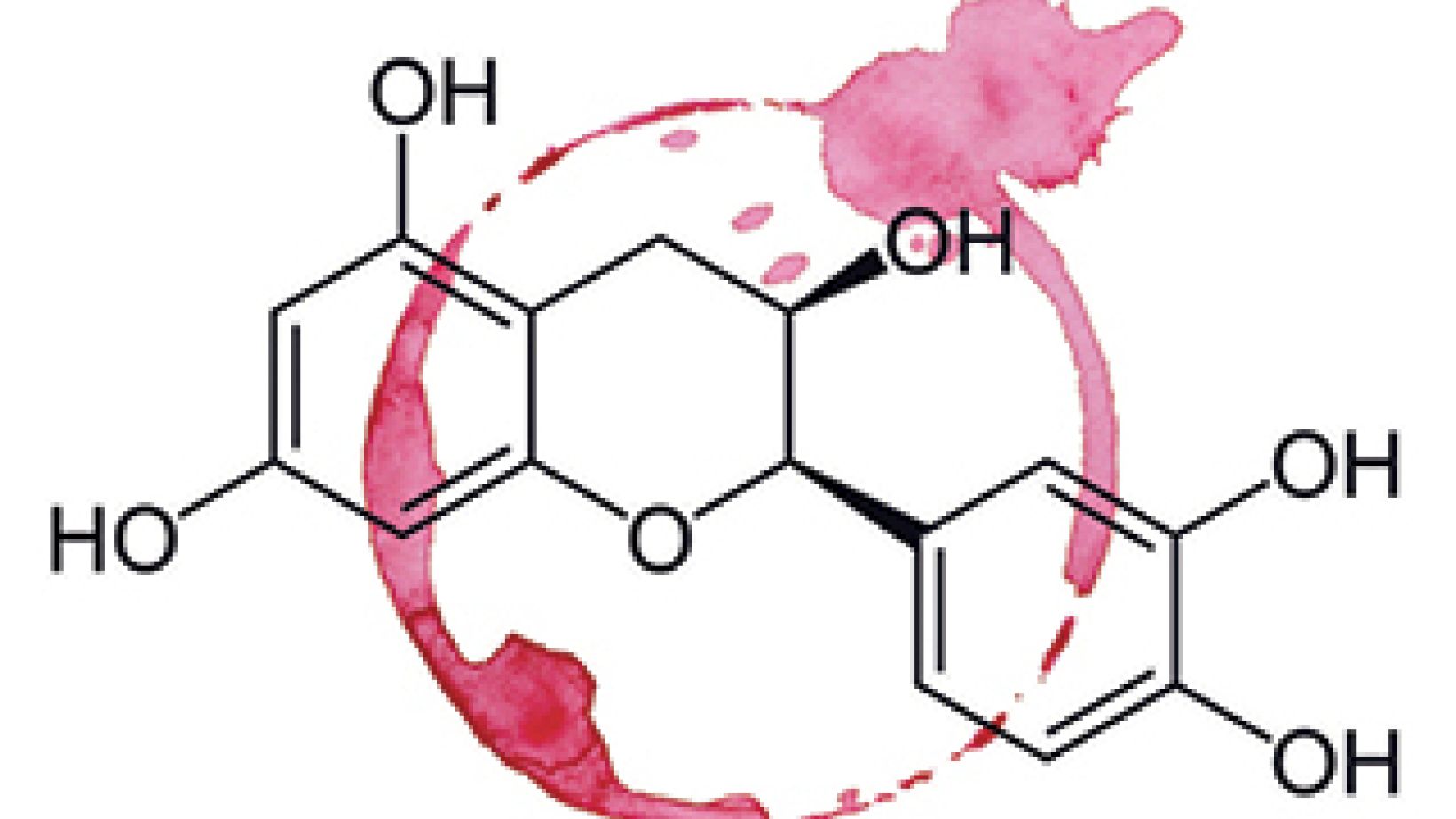

Why does wine smell like ‘wine’? This question may appear straightforward, yet the answer has remained unexamined for decades in wine research.
Now Dr Samantha Fairbairn has come up with an answer. Dr Fairbairn recently received her PhD (Wine Biotechnology) in the Faculty of AgriScience at Stellenbosch University on defining the chemical features of wine perception. Currently, she works as a technical officer in the Institute for Wine Biotechnology (IWBT).
Her research suggests that the ‘wine’ character that distinguishes wine from other beverages, and also allows consumers to identify a product as ‘wine’, is entirely due to the metabolic activity of yeast. This generic ‘signature’ is found in every bottle of wine, regardless of the country of origin. Dr Fairbairn explains: “This wine-like character is prevalent in all wine, irrespective of wine quality and cultivar, suggesting that it stems from alcoholic fermentation, rather than the variable varietal or technical aspects associated with winemaking.”
In her thesis titled ‘Defining the chemical features of wine perception,’ Dr Fairbairn considers to what extent yeast contributes to the formation of the wine-like feature through fermentation. She designed a synthetic grape juice that, after fermentation by wine yeasts, displayed a vinous character, indistinguishable from real wine following sensory analysis. This forms part of her novel research that considers wine recognition as a field of study.
Broadly speaking, wine aroma has three origins: the grape, alcoholic fermentation and ageing. Dr Fairbairn explains: “The wine-like feature is largely established by alcoholic fermentation in a synthetic grape must. This means that we would be able to gain meaningful sensory data from synthetic grape must fermentations, or use this as a wine-like matrix to test the impact of other wine odorants.”
Her research topic came about after Prof Antonio Ferreira, a part-time professor from Portugal involved at the IWBT, smelled a fermenting synthetic grape must sample in the laboratory and thought it was reminiscent of wine. This sparked a collaboration between Prof Florian Bauer, the SARChI Chair in the IBWT, and Prof Ferreira to explore whether one could increase this ‘wine-likeness’ in a synthetic grape must.
Dr Fairbairn’s study considers to what extent volatile aromas produced by yeast contributes to this vinous character, referred to as the wine-like feature. Using a novel fermentation-based approach, she investigated how a particular yeast (Saccharomyces cerevisiae) converted synthetic grapes must into a wine-like product. Yeast uses the nutrients in grape must to produce biomass and metabolites, which turns grape juice to wine. Her study examined the degree to which these nutrients contribute to wine (product) recognition. Various nitrogen and anaerobic-factor compositions were also evaluated for their contribution to the wine-like feature.
These synthetic products underwent sensory evaluations by panellists to rate the product’s resemblance to wine and to describe the aroma. Dr Fairbairn created a wine-like character by altering the anaerobic-factor composition of a synthetic grape must.
Wine quality is of paramount importance to the wine consumer. But, due to its subjective nature, the concept of wine quality is a contentious matter amongst scientists. Nonetheless, the importance of wine flavour (aroma, taste and mouthfeel) to perceived wine quality is indisputable.
Wine aroma is determined by the complex interaction of several hundred compounds, which includes esters and volatile fatty acids, among others. Dr Fairbairn explains: “These volatile compounds all interact with each other, enhancing or altering each other’s sensory perception. This contributes to the difficulty associated with predicting the sensory outcome of chemical data alone.
This study provides invaluable information needed to formulate better strategies to test, verify and characterise the wine-like feature.
Although the study has fallen short of being able to define the chemical signature responsible for wine recognition, preliminary data suggest that acetate esters may be important for establishing this feature. Additionally, Dr Fairbairn’s work highlights the value of using the sensory data as a decision-making tool, rather than the more commonly adopted chemistry-driven approach.
Dr Fairbairn says her study has influenced the way she thinks about her favourite wines. “Now when I enjoy a glass of Sauvignon Blanc, for instance, I find myself thinking about wine-likeness as one the features of the wine. We still have so much to learn about wine.”
Funding for the research was provided by the National Research Foundation and Winetech.

More from
Innovation and insights

Packaging under pressure: What wine businesses should be watching
From lighter bottles to automated packing lines, packaging decisions are becoming increasingly important to the cost and competitiveness of South African wine.
How vine water stress shapes grape and wine quality
This study formed part of the South Africa Wine programme “Grapevine production with limited water resources”, and aimed to evaluate how spatial and temporal water stress affects vine physiology, fruit composition and wine quality.
Drought tolerance of different scion cultivars (Part 4): Vegetative growth and yield
The study aimed to assess grapevine vegetative and yield responses in an almost worst-case scenario, i.e. grapevines growing under dryland conditions in sandy loam soil in the Swartland region.