
A stellar future
Last year, Vinimark took another important step in the group’s journey to support a thriving future for South African wine. By welcoming Stellar Winery into the family, the company expanded on its investment in responsible farming, purposeful winemaking, and long-term collaboration with the people…
· 4 min read
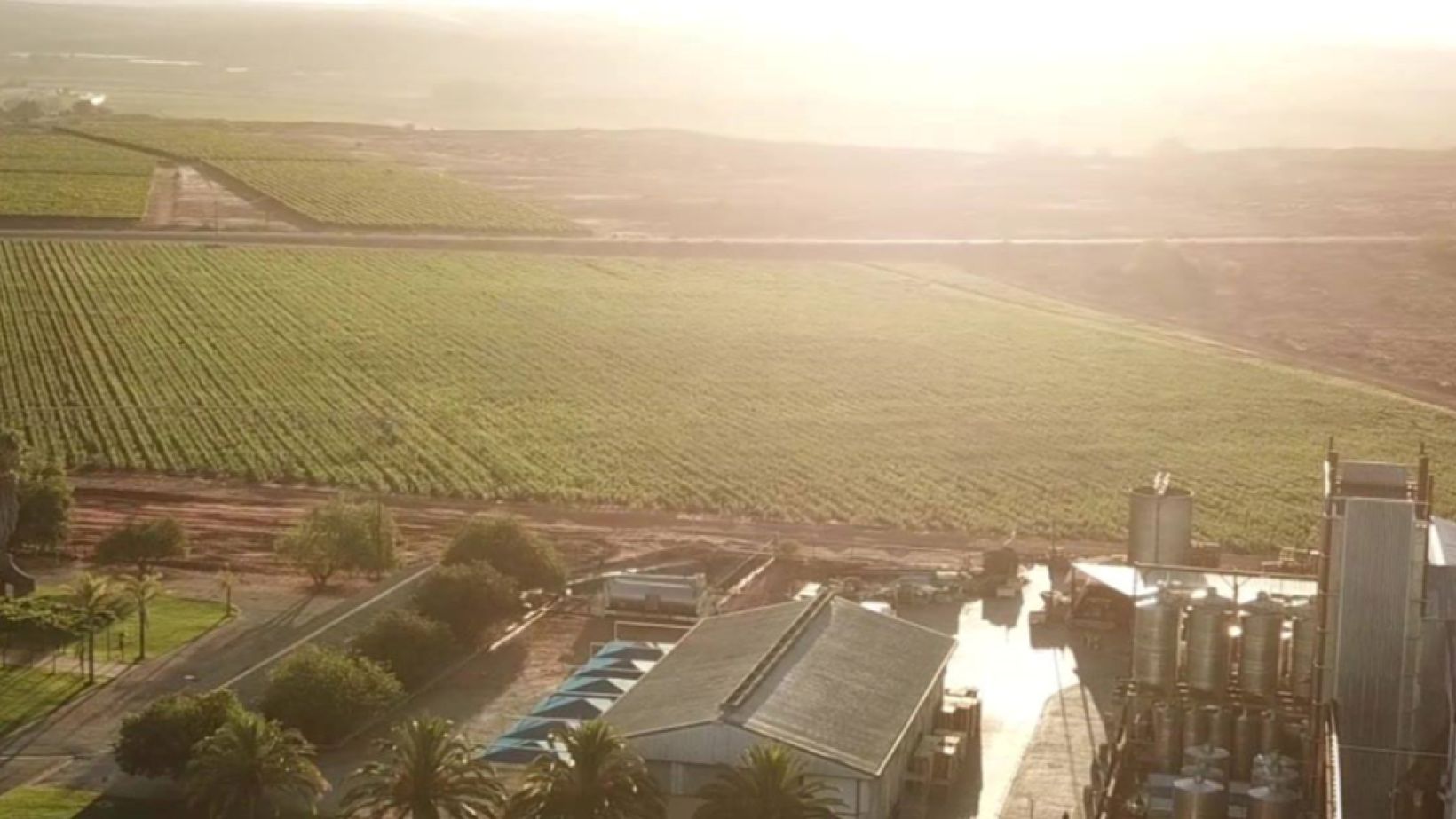
Late last year, Vinimark welcomed Stellar Winery into the family, the company expanding on its belief in responsible farming, purposeful winemaking, and long-term collaboration with the people who shape our industry.
Stellar Organic Winery, situated outside Vredendal in the Olifants River Valley, had built a solid reputation as South Africa’s largest producer of fair-trade organic and no-sulphur-added (NSA) wines.
“This acquisition is not about expansion for its own sake,” says Vinimark CEO Eckhardt Gerber. “It’s about strengthening capabilities, unlocking new avenues of value, and investing in a region and approach to wine that can meaningfully contribute to local and global markets.”
Strategic fit
Several factors made Stellar a good strategic fit. As one of South Africa’s most established organic wine producers, Stellar has a strong foundation in organic and Fair-For-Life farming, with 82 hectares secured under long-term agreements and an active organic and FFL certification programme.
“Organic and no-sulphur-added wines are growing steadily worldwide. By acquiring Stellar, we’re positioning ourselves to meet this demand with credibility, certified supply, and the ability to scale responsibly.” Eckhardt says. “The facility, with a 12000-tonne capacity, offers long-term potential while allowing us to pace growth responsibly.”
Stability, systems and people
While Stellar provides Vinimark with a diverse, secure supply in an industry segment that requires specialised farming and winemaking, the acquisition also supports local growers and creates stability and long-term value in the Olifants River region. It also provides new opportunities for developing talent, such as Jean Slabber, who will be taking the reins as winemaker.
“Once the 2026 harvest is complete and we have an accurate view of volumes, quality, and stylistic potential, we’ll work with producers, distributors, and customers to shape a modernised, focused brand strategy,” Eckardt says.
The winery is being systematically revitalised from grape intake to bottling, and its laboratory is already fully operational. “We believe in creating environments where people can work with confidence and clarity. That’s why we’re restructuring Stellar’s systems, moving to Microsoft 365 and Syspro, and ensuring alignment across our internal platforms. These upgrades make everyday operations easier while strengthening traceability, reporting, and communication.”
“By introducing new production approaches, such as the preventative, holistic NSA winemaking model we’re bringing in with FermControl GmbH, we see the potential to offer wines that are more stable, more expressive, and more aligned with where global organic markets are heading.”
“We’re also continuing Stellar’s commitment to community initiatives, including the Mobile Clinic and support for the local school. These projects matter, and we want to ensure they remain active and meaningful.”
Capacity for success
With the 2026 harvest underway, Vinimark is shaping a long-term market strategy informed by real capabilities rather than assumptions. “We see potential here because of the people, the land, and the foundations already in place,” Eckhardt says. “With time, collaboration, and careful stewardship, we believe Stellar can play a valuable role in the future of South African organic wine.”
According to Rudiger Gretschel, Vinimark’s Production Director, establishing a long-term and purposeful presence in the Olifants River helps Vinimark to unlock the region’s potential and contribute to its future.
“The Olifants River wine region holds a vital place in the story of South African wine,” adds Rudiger. “It offers a rare duality: the ability to support scale through high-yielding vineyards, while also safeguarding hidden treasures in the form of old vines capable of producing distinctive, world-class wines.”
Organic revolution
Rudiger says the limited number of organically certified vineyards and wineries remains a key challenge that constrains the industry’s ability to fully participate in and lead this segment. “Organic wine has been part of the mainstream global market for several years. While international adoption has accelerated, South Africa has, to date, lagged behind these global trends in achieving meaningful scale and impact within the category,” he says.
“Systembolaget of Sweden has played a pivotal role in transforming the Swedish wine market, with nearly one-third of all wine consumed now being organically certified. This shift reflects a broader change in consumer behaviour, as consumers increasingly make more health-conscious and values-driven choices about what they consume.”
“In this context, organically certified wine has an essential and enduring place in any mature and forward-looking wine-consuming market.”
Rudiger is also hopeful that improving consumer confidence will support a gradual recovery in the market. “We recognise that there are no quick fixes. Sustained success is built through discipline, focus, and consistency – by keeping our heads down, investing the time, and continuing to do the fundamentals well.”

More from
Markets, business and trade

Paris is calling. Again.
Wine Paris has become one of the important dates on the global wine calendar. For South Africa, being there matters. But being there with a plan matters more.
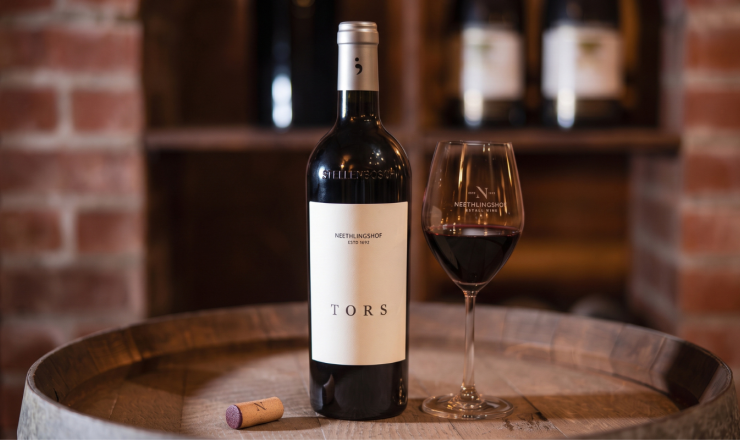
Neethlingshof debuts flagship red 'TORS' with Absa Cape Blend Top 6 Win
Neethlingshof Estate has introduced its flagship red, TORS, marking its debut with a win at the Absa Cape Blend Top 6 Awards for its maiden 2024 vintage. Crafted as the estate’s pinnacle expression, TORS was developed for fine wine collectors seeking a micro-vinified Stellenbosch blend shaped by site specificity and low-intervention winemaking.
The shelf has moved: how AI is changing the way consumers find wine
The way consumers find wine is changing. A decision that once happened in front of a shelf or with advice from a wine retailer can now start with a question typed into an AI platform.