
What’s your unique story?
Wine producers worldwide are increasingly concerned about how difficult it is to sell their product. Christine Lundy reached out to the pros in the business for advice.
· 5 min read

The business of selling wine is beset with challenges, not only because of more competition, but also because baby boomers are retiring and buying less wine. New generations of consumers, such as millennials and Gen Z, have other values and beliefs, leading them to buy wine in different ways or not at all for health reasons.
So, is it time to review your marketing strategy?
While working at Great Domaines in Johannesburg, I had the opportunity to collaborate with some of the best wine brands in the world. It was an incredible opportunity to learn what makes a wine brand successful. Back in Cape Town, working more closely with several brands, I realised that most wineries and wine brands in South Africa have a very different perspective and definition of wine marketing to mine. Coming from an advertising background, I know that a unique brand identity and story are at the core of any marketing strategy.
Today, there’s little marketing focus due to a lack of budget allocations as most financial resources are invested in the winery. And when employing a marketer this person often has very little brand knowledge and classical marketing experience. Marketing is often confused with sales, so most marketing activities are focused on sales and events. Communication and social media are frequently managed by an inexperienced junior team member who’s not in a position to tell the wine brand’s story.
On a wine WhatsApp group, Mike Ratcliffe, undeniably one of the best wine marketers in South Africa, recently said: “Champagne marketing is truly world-class – luxury positioning. Still wine marketing barely exists.” His comment was in response to a question about the high volume of champagne sales in South Africa. His statement caught my attention and motivated me to dig deeper.
I decided to reach out to wine professionals I respect to get their opinions on pitfalls to avoid and, more importantly, their advice. The group of experts was made up of Mike Ratcliffe, marketing extraordinaire Bruce Jack, Roland Peens of Wine Business Advisors, creative and business-minded Brad Gold of Golden Ratio, Simon Back of Backsberg, Trudy Dempsey of Solved Recruitment for an HR perspective and Michael Fridjhon, one of the most knowledgeable figures in the wine industry.
What are the common pitfalls?
Expect to be stymied by:
A lack of clear brand identity: Bruce noted that many brands don’t understand their core essence, making it difficult to engage consumers effectively. Even when brands know their purpose they often struggle with market distribution.
Short-term focus: Trudy pointed out that many wineries focus on immediate sales rather than on strategic, goal-oriented marketing. Hiring decisions are often based on affordability rather than expertise.
A lack of mentorship: There’s a tendency to hire young people for their digital skills, but without proper guidance on brand identity and goals, their potential is not fully realised.
Misallocation of resources: Many wineries prioritise operational expenditures over marketing, viewing it as an afterthought. This often leads to unqualified staff managing critical marketing functions, which can do more harm than good.
Confusion between marketing and sales: Marketing is often seen as a subset of sales, but it requires different skill sets and should be managed separately for optimal results.
Underestimating branding: Brad emphasises that wineries often prioritise tangible assets such as new equipment over investing in brand development, which ultimately carries more value.
Ignoring consumer preferences: Michael stresses that many wineries focus on production without understanding market demands, leading to a disconnect between the product and consumer needs.
What is the advice?
Bruce: If you can afford it, use an agency to develop a comprehensive go-to-market strategy that includes brand essence and extends to consumer repeat orders. A commitment to continuous marketing is crucial for long-term success.
Trudy: Make strategic appointments and support them with external expertise until there’s sufficient budget and return to justify a team expansion. There’s no such thing as “one size fits all” – different skill sets are needed. Regularly review and define your business goals, ensuring that your marketing strategy aligns with these objectives.
Mike: Define a clear brand identity and consistently communicate a focused message. Then repeat it over and over. Get famous. Do it again.
Brad: Wine brands need to invest significant time in understanding and developing their brand before moving on to packaging and other elements. It’s crucial to recognise that brand development is a long-term process that requires meticulous strategy and maintenance.
Roland: Conduct an independent analysis of your business and product range. Develop a comprehensive business plan, brand bible and marketing strategy, ensuring alignment across the entire organisation.
Michael: Without a clear vision of the unique selling proposition (USP), you can’t build a coherent message around your brand. Following in the footsteps of others with much the same USP means that you have nothing unique to sell.
What’s your unique story? Maybe it’s time to stop and review if you are moving forward. What are the core values of your brand? What are your goals? And what do you need to do to reach them?
To explore more articles in our October issue, The Consumer Connection, purchase our digital or print magazine here.

More from
Markets, business and trade

Paris is calling. Again.
Wine Paris has become one of the important dates on the global wine calendar. For South Africa, being there matters. But being there with a plan matters more.
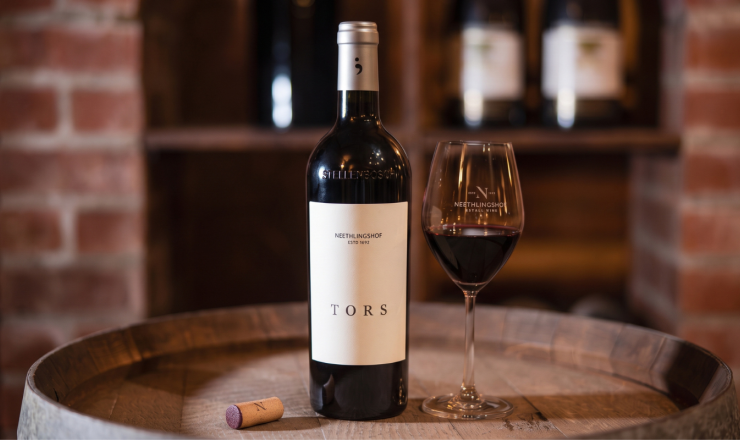
Neethlingshof debuts flagship red 'TORS' with Absa Cape Blend Top 6 Win
Neethlingshof Estate has introduced its flagship red, TORS, marking its debut with a win at the Absa Cape Blend Top 6 Awards for its maiden 2024 vintage. Crafted as the estate’s pinnacle expression, TORS was developed for fine wine collectors seeking a micro-vinified Stellenbosch blend shaped by site specificity and low-intervention winemaking.

The shelf has moved: how AI is changing the way consumers find wine
The way consumers find wine is changing. A decision that once happened in front of a shelf or with advice from a wine retailer can now start with a question typed into an AI platform.