
A sensory overview of Durbanville's Sauvignon Blanc
· 3 min read
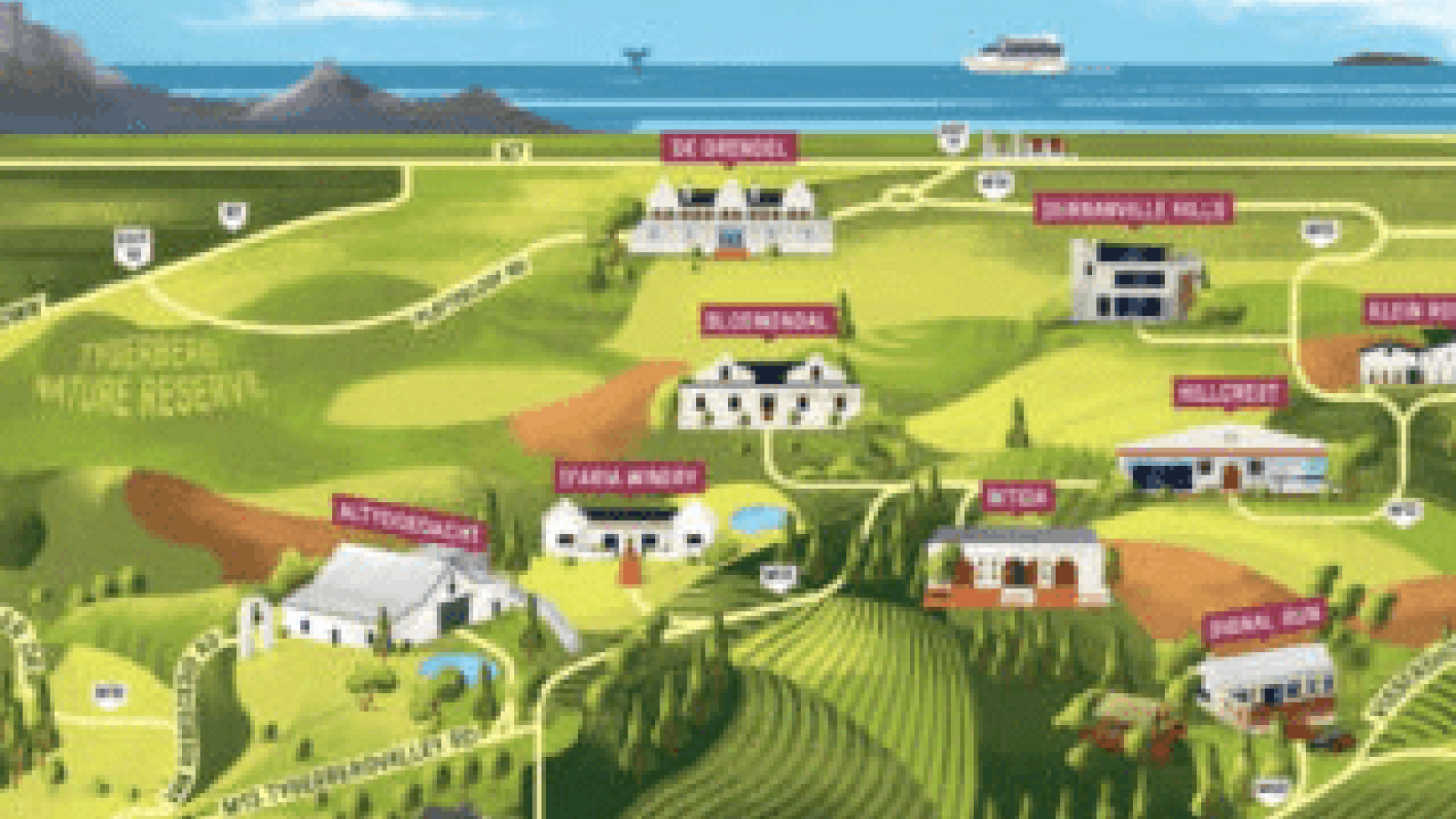
Sauvignon Blanc is a key cultivar for wineries from the Durbanville area. With changing consumer preferences for this popular varietal, winemakers have to keep up with the latest trends.
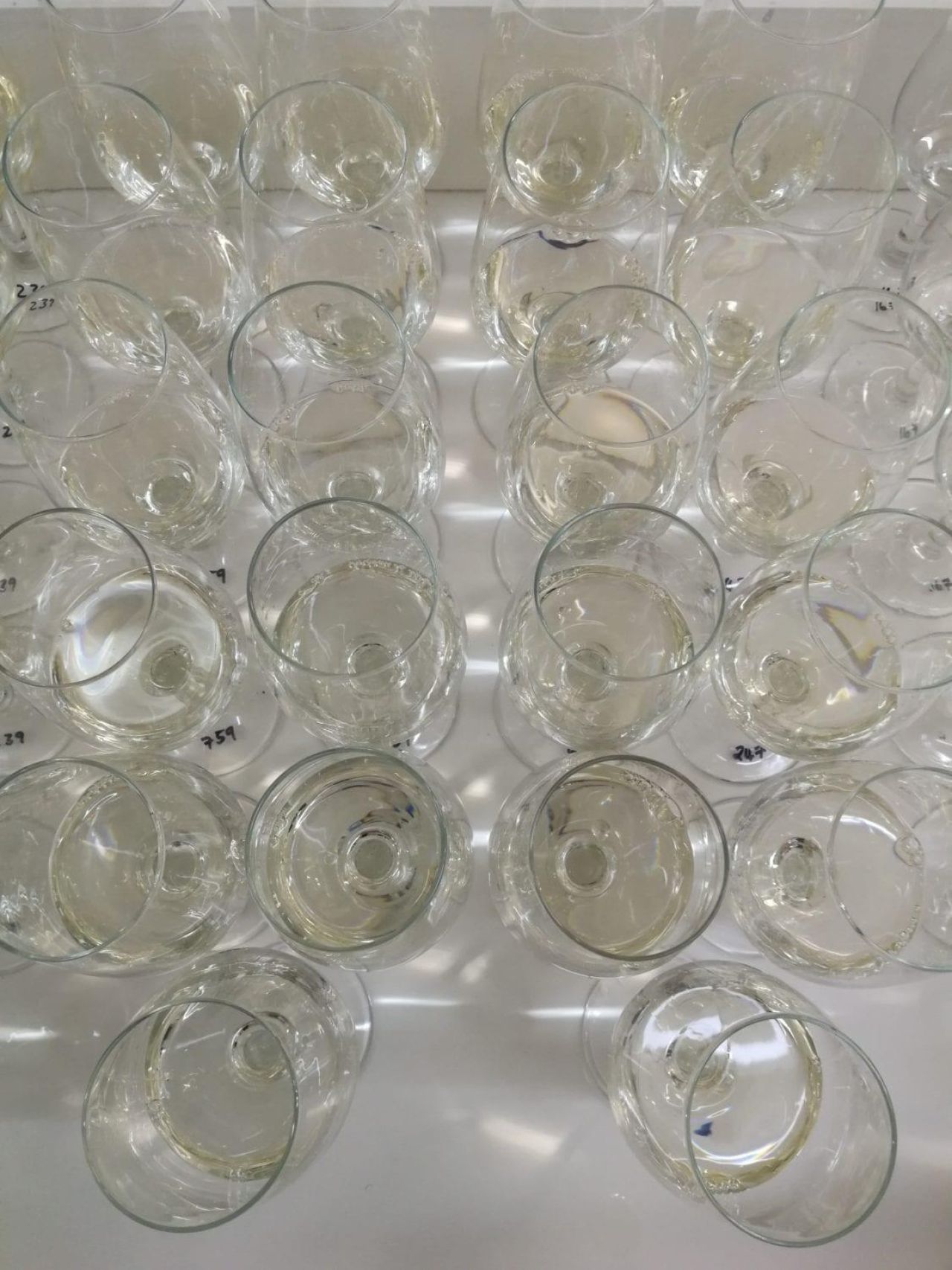
SenseLab, a new sensory laboratory focussing on sensory evaluation in the wine industry, collaborated with Durbanville winemakers to create a sensory landscape of Durbanville Sauvignon Blanc wines.
Spearheading this project is sensory scientist and oenologist, Dr. Leanie Louw. With this project, it was possible to gain an objective view of what winemakers from this area viewed as the ideal wine style for their consumers.
The SenseLab trained panel, consisting of a group of individuals with excellent sensory acuity, has scrutinized unwooded Durbanville Sauvignon Blanc wines from the 2017 vintage from 12 participating wineries. The panel evaluated the aroma, flavour, taste and mouthfeel of the wines in question on a blind basis and according to an experiment design which cuts out all possible bias.
Objectivity and unbiased results are the hallmarks of sensory science which brings a new and value-adding element to evaluate the sensory profiles of wine. The benefit of using a trained panel is that all the attributes that are evaluated are clearly defined. The panellists are in agreement about the way that the different attributes manifest in the wines and can therefore deliver reproducible results.
Upon drawing up a sensory map based on the trained panel’s tasting data, it was clear that the majority of Durbanville Sauvignon Blanc wines are fruit-forward wines. They could roughly be classified into two groups – those with fresh and acidic fruit flavours and crisp palates and those with ripe fruit and sweet associated flavours, such as stone fruit and caramel, with full and smooth palates. Two wines balanced out their fruity flavours with green pepper and asparagus notes, but this was certainly not a main trend in the category.
Comparative tastings like these are ideal for discovering differences and similarities between wines in a given category. As in this case, it highlights the main trends in flavour profiles, opportunities for creating wines with unique sensory profiles and also an objective evaluation of how wines stack up against their competitors.
Based on the results from this collaborative project, it seems as if the Durbanville wine valley has responded well to an increasing demand for fruitier wines. One cannot stress the importance of the value of producing consumer-driven wines over production-driven wines. Sensory science capabilities such as preference mapping are designed to correlate consumer preference with measured sensory attributes, thereby obtaining objective and actionable guidance for consumer-driven product development.
In the past, access to sensory science was limited to the domain of wine giants who had the capacity for in-house sensory laboratories. SenseLab is a new player in the South African wine industry and aims to help wineries, big and small, to understand the sensory properties of their wines relative to their competitors and to unpack the sensory drivers behind consumer preference. The development of rapid sensory profiling methods makes sensory science more affordable and therefore more accessible to smaller wine producers.

More from
People, community and tourism
Hoe om herlewingslandbou te laat leef
'n Twee-dag sessie deur WIETA and Stronger Together South Africa op etiese leierskap vir kelders, plase en handelsmerke by Lourensford en Du Kloof Lodge het insigte oor herlewingsboerdery opgelewer.
Results of the Niche Varieties Challenge 2026
The Niche Varieties Challenge took place again in 2026 to give innovative niche wines a more visible platform and to highlight the diversity developing beyond South Africa's mainstream cultivars.
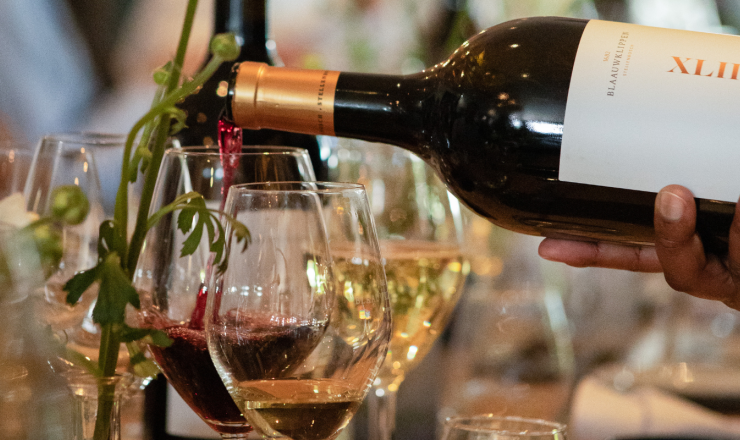
Are wine clubs in South Africa still relevant?
A bottle of wine is rarely just about what is in the glass. Sometimes it is about the people around the table, which may explain why wine clubs have managed to stick around. The Blaauwklippen Blending Competition offers a glimpse into why this old-school tradition still has a place in a changing…