
Could luxury tented hospitality work on your wine estate?

· 3 min read
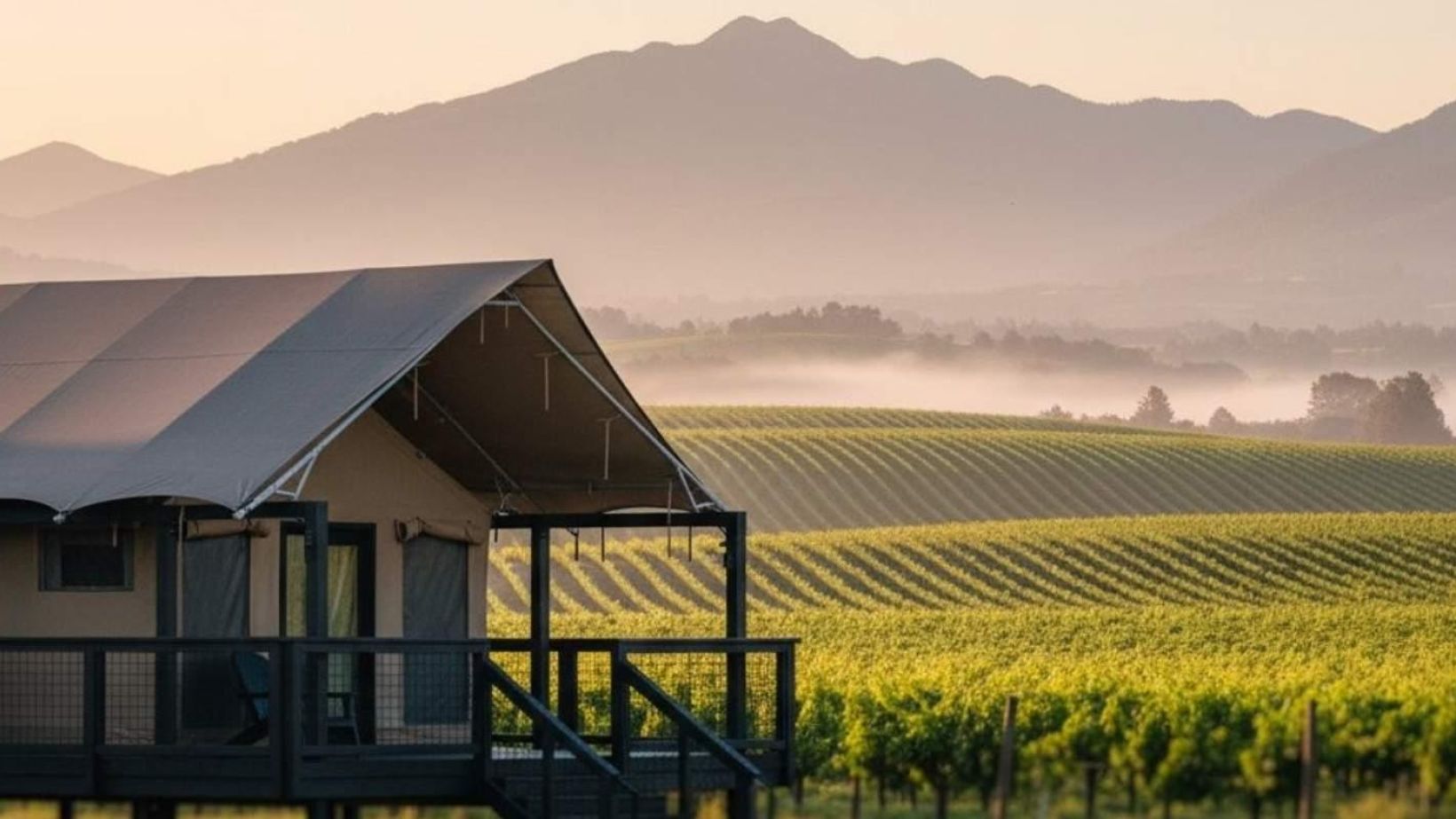
Five questions every wine estate owner should ask before investing
Luxury tented hospitality has become one of the fastest-growing segments of experiential tourism. Around the world, wine regions are discovering that guests are looking for far more than a comfortable bed. They want to wake up among the vines, enjoy dinner under the stars and experience the landscape in a way that a traditional hotel simply cannot offer.
For wine estates, this presents an exciting opportunity. But not every property is suited to luxury tents. We asked Hans Hillebrand, Group CEO of Bushtec, what he looks for when assessing a potential site.
Does your landscape tell a story?
“The first thing guests buy isn’t the tent, it’s the setting. Luxury tented hospitality succeeds when the landscape becomes part of the experience. Vineyard views, mountain backdrops, water features, and wide-open skies all contribute to something guests cannot recreate elsewhere.
Hans says his assessment always starts with one simple question.
“I walk to the edge of the vines and turn around. If that view stops you in your tracks, you already have the raw material for a remarkable guest experience. If your land creates an emotional response before a single structure has been built, you’re already halfway there.”
Are guests already asking for more?
Many estates already have the audience they need. Visitors who linger after a tasting, book long lunches or ask where they can stay are providing valuable market research without even realising it. Luxury accommodation should not create demand. It should extend an experience guests already value.
“Some of the strongest opportunities come from estates that already attract visitors,” says Hans. “The accommodation simply gives people another reason to stay a little longer.”
Can guests feel like they’ve discovered something special?
Privacy matters. And it’s not because guests expect isolation, but because they want a sense of escape. For Hans, it’s all about natural features that create this feeling without major construction.
“A ridge, a line of trees or a gentle fold in the landscape can create a feeling of discovery. Guests want to feel they’ve found somewhere secret. Often, the land already provides exactly what is needed.”
Are you selling accommodation or creating an experience?
The tent itself is rarely the deciding factor. Guests remember sunrise walks through the vineyards, private cellar tastings, dinners under the stars and conversations with the winemaker. The accommodation simply provides the setting where those moments happen.
“Wine estates already possess something many hospitality businesses spend years trying to create: authenticity. Luxury tents simply make that authenticity immersive.”
Can you start small?
One of the biggest misconceptions is that luxury tented hospitality requires major development. It doesn’t. says Hans. A small pilot of two to five tents allows estates to test demand, refine the guest experience and understand operational requirements before committing to a larger investment.
“Every successful project teaches you something,” says Hans. “The important thing is to learn before you scale.”
The opportunity goes beyond accommodation. For wine estates facing rising production costs and increasing pressure on traditional revenue streams, tourism offers an opportunity to create value from existing assets. Luxury tented hospitality allows producers to extend guest stays, increase visitor spending and deepen the connection between people, wine and place. Perhaps its greatest strength is that it showcases something no one else can replicate.
“The best sites all have one thing in common,” says Hans. “When guests step outside their tent at night, they experience the silence, the stars and the landscape in a way that reminds them why they came in the first place. That isn’t something you build, it’s something you protect.”

More from
People, community and tourism
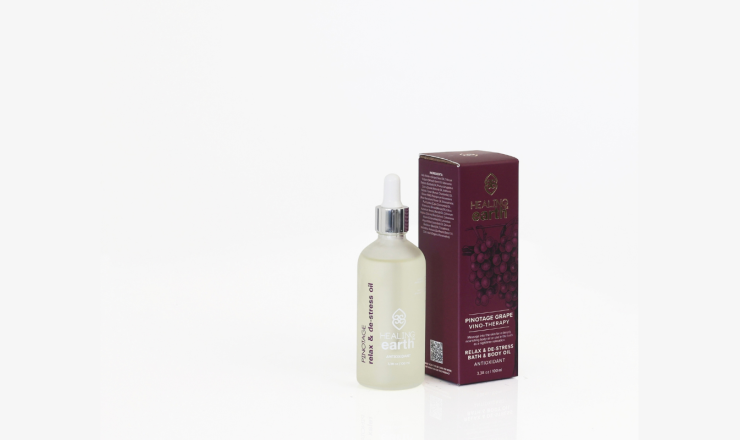
From vineyard to spa: Why Pinotage is more than just a wine grape
In our print feature, Heavenly Scent, we explored the spa experience at Healing Earth Wellness at Laborie Estate. But that experience starts long before you step into the treatment room. It starts in the vineyard. So why Pinotage? What is it about this proudly South African grape that has earned a…
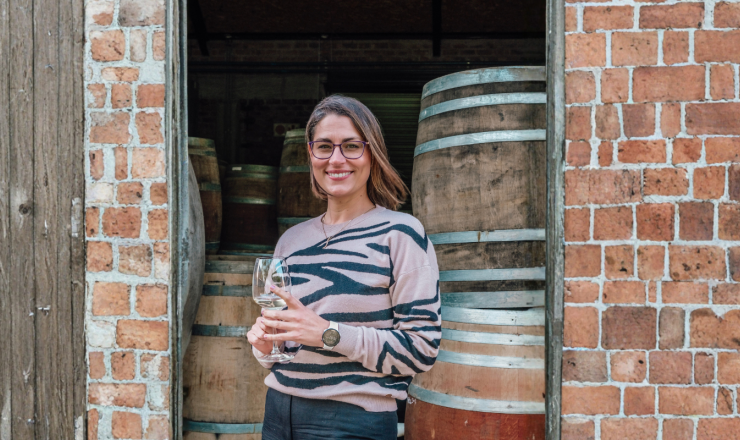
Vyf vrae met Hendrien de Munck
Wynmaak lyk van buite na ’n romantiese beroep, maar agter elke bottel skuil ure se harde werk, besluite en toewyding. Hendrien de Munck, wynmaker van Maia Wines, deel haar perspektief op die realiteit van wynmaak, kreatiwiteit in die kelder en waarom sy glo daar is nog groot potensiaal vir…
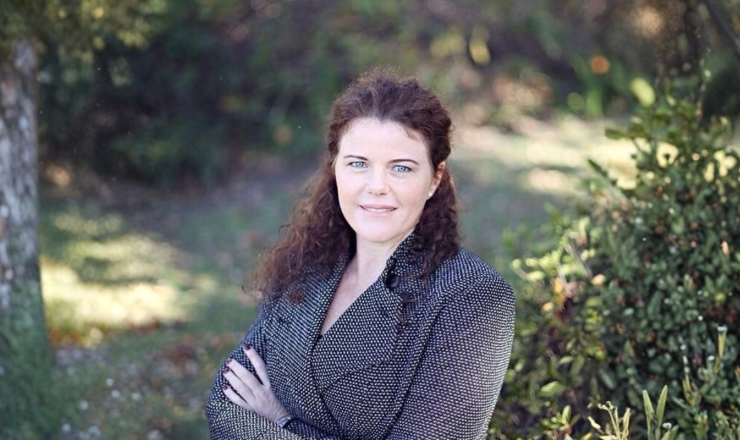
Five questions with Liandra Kotzé
“Consumers haven’t stopped loving wine. They’ve changed how they choose it.” Wine marketers spend a great deal of time asking how to sell more wine. According to Vinimark Brand Portfolio Director Liandra Kotzé, the better question is whether we’re listening closely enough to the people we’re…