
Ethical leadership in the South African wine industry
The importance of ethical leadership in business and human rights was at the centre of a recent capacity-building initiative held in the South African wine industry.
· 3 min read
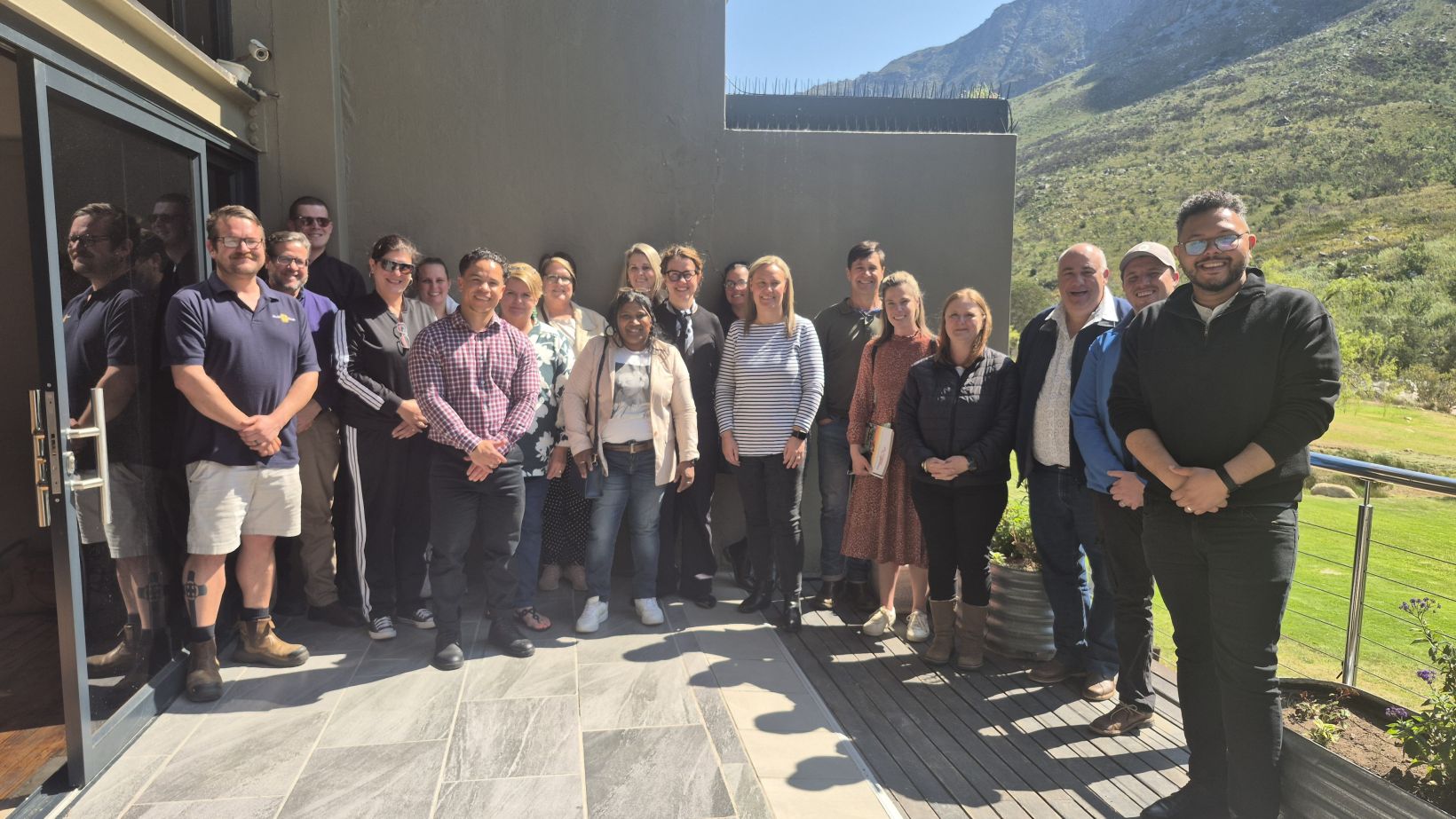
The latest collaboration between the Wine and Agricultural Ethical Trade Association (WIETA) and Stronger Together SA aimed to build the capacity of farms, cellars, and brands to be leaders in ethical trade and sustainability within the wine value chain.
The training, held over two days on 9 September in Somerset West and 11 September in Paarl, saw 36 delegates in attendance, representing cellars, producers, and brands. Led by Chirstone Hornsby (WIETA) and Evan Cupido (Stronger Together SA), the sessions focused on two critical areas: Effective Human Rights Due Diligence (HRDD) and Responsible Recruitment.
The training equipped attendees with the tools needed to uphold human rights, ensure ethical sourcing, and manage compliance systems amid growing global demands.
Attendees praised the organisations' thematic knowledge-sharing and peer-sharing, which were very well received.
Having continued the critical partnership between WIETA and Stronger Together, the need to address systemic change is paramount and requires the entire value chain to understand key components of Human Rights Due Diligence and responsible recruitment.
Systems and practices
WIETA placed strong emphasis on the importance of effective management systems, including the integration of human rights due diligence, and provided commentary on what makes for a robust management system that can operate ethically while ensuring it meets legal requirements nationally and internationally, while encouraging social dialogue throughout the low- and upstream parts of the wine value chain, while also providing commentary, analysis and insights on global and EU market requirements that have an impact on the wine value chain in South Africa.
Stronger Together provided critical insights to delegates on the important role of good labour practices in preventing labour exploitation in business operations and their supply chains. This included a focus on practical steps a business can take to safeguard its operations in critical labour areas, such as responsible recruitment, no excessive overtime, wage payments, and promoting good working conditions through ethical leadership.
A key focus of the session was supporting businesses not only in having the necessary policies and procedures in place but also in proactively identifying and mitigating adverse human rights risks.
Feedback
Delegates in attendance also had an opportunity to provide feedback on the value of the collaborative training. 100% of attendees agreed or strongly agreed they had an increased understanding of human rights due diligence and global market requirements after the sessions.
Delegates provided the following feedback after the sessions concluded: “The explanations of how WIETA realistically impacts communities, businesses and essentially sales”; “Gaining insight into changes in compliance requirements and the role of effective management systems in ongoing compliance”; ”The topics with discussions thereof between presenters and attendees”; ”The sharing of information, knowledge and experiences”; and “Thank you to the presenters for your time, insights, sharing of info, availability of posters and lunch. All the best for the work you are doing to form a better SA future.”
Businesses in the wine industry that are interested in learning more about these capacity-building training sessions or in participating in future sessions can contact the following organisations:
Stronger Together – [email protected] / www.stronger2gether.org/za
WIETA - [email protected] [email protected] / www.wieta.org.za

More from
People, community and tourism
The Portrait of a South African Winemaker
In James Joyce's A Portrait of the Artist as a Young Man, Stephen Dedalus resolves to express himself "as freely as I can and as wholly as I can". Joyce's hero refuses to be just one thing. That same many-sided energy is increasingly being asked of the modern South African winemaker, who has to adopt different faces for different places.
Who will drink South African wine tomorrow?
Tomorrow’s wine drinker is already here, standing at the braai with a can in one hand and a phone in the other. South African wine still has time to join the occasion, although it may need to loosen its collar first.
Ice in the Chenin and other South African wine crimes
There is ice in the Chenin Blanc, Cap Classique in an ordinary wine glass and a bowl of curry waiting beside a bottle of something pink. By old wine standards, the afternoon is a small crime scene.