
Rooted in flavour
Emile Myburgh grew up in Pniel, a small village near Stellenbosch, where his grandfather had a business supplying vegetables to restaurants in the Cape Winelands. He used to tag along with his dad on his delivery runs and was soon captivated by the allure of the culinary world. Each trip was a…

· 3 min read
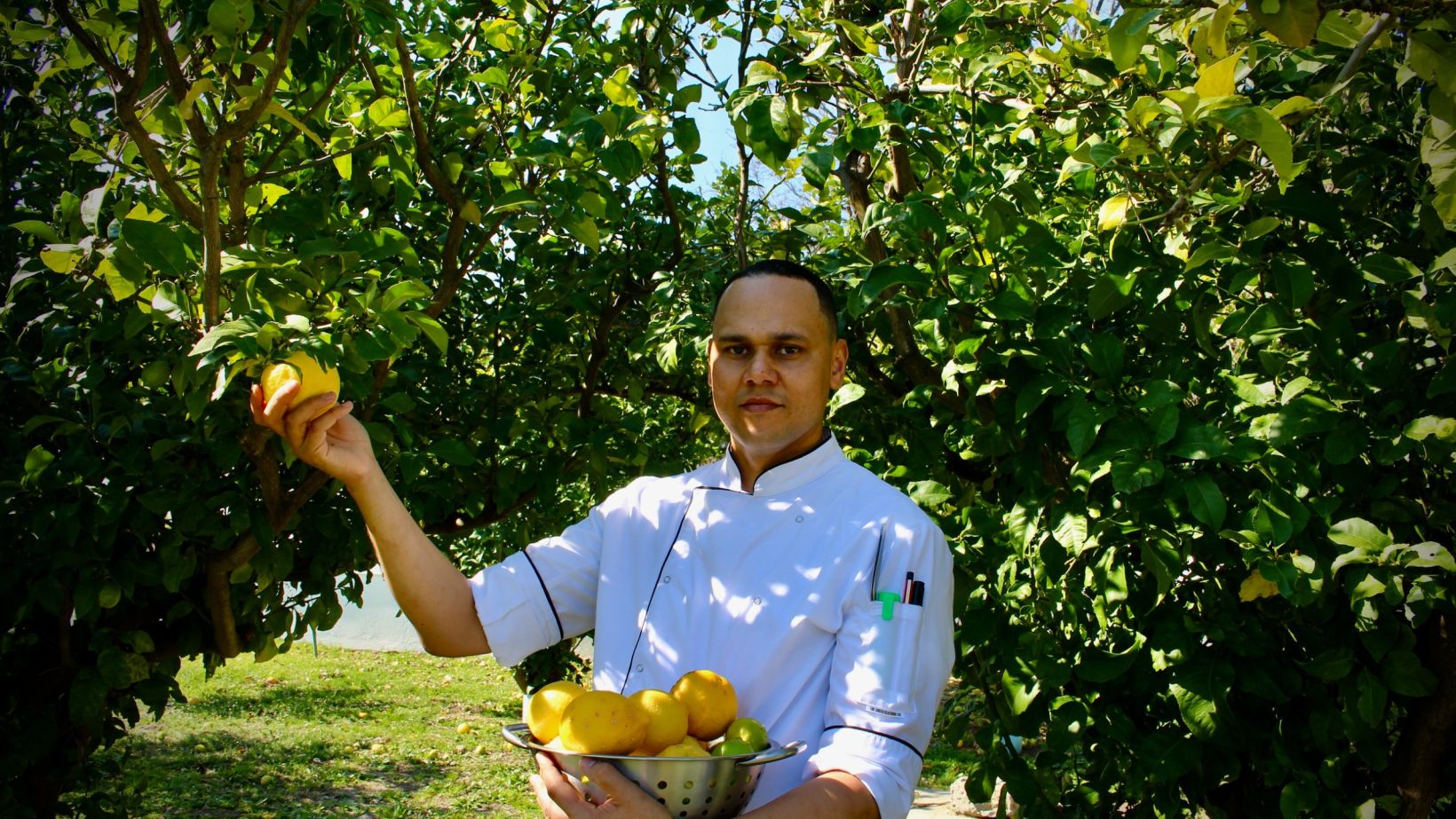
Growing up in a foodie family, Saturdays were reserved for indulging in good food and wine. By the time he’d finished school, it was clear he was destined for a career in the culinary arts. He studied catering and hospitality at Boland College and honed his skills doing various stints in the food service industry, starting at Boschendal and Hillcrest Berry Farm.
His first full-time job was at Allée Bleue from 2010 to 2012, where he was introduced to high-end catering for events such as weddings. Time spent on cruise liners allowed him to explore diverse culinary cultures in Australia and New Zealand, further enriching his journey in the world of food.
With his return to Allée Bleue as head chef last year, his career has come full circle.
Why is it important to have wine knowledge?
The concept of terroir is beautifully manifested in the production of wine. However, it also applies to other food produce – from fruit and veggies to meat, with Karoo lamb being a fine example. With the strong emphasis on the origin of produce as part of my food philosophy, a keen interest in wine came naturally. Wine knowledge – and philosophy – and an understanding of food complement one another, eventually morphing into a deeper experience.
How has learning about wine impacted your dishes?
I start with wine to create a dish – not vice versa. With the focus on farm produce at Allée Bleue, seasonality is important. We produce fruit such as persimmons, plums, peaches, lemons and pears, along with herbs such as mint, coriander, parsley, bay leaves, basil, sage and lemon grass, so the menu changes with the seasons. Wine, however, is the cornerstone of what we do and the starting point is pairing our wine with our produce.
What wine and food pairing do you recommend WineLand readers try in January?
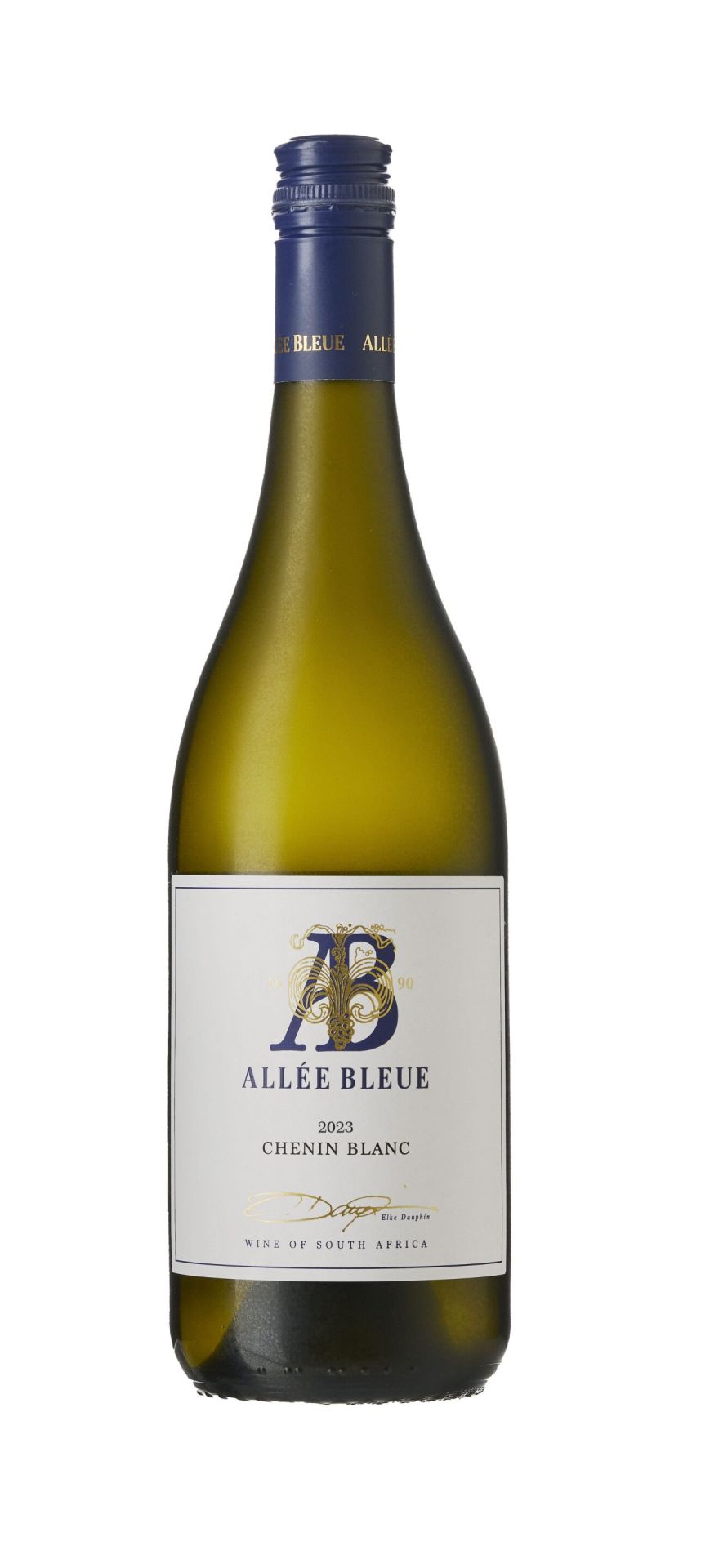
Our Chenin Blanc is beautifully complemented by farmed cob, served with freshly whipped avocado, citrus and coriander. January is the month for fresh and healthy dishes. This signature dish beautifully embodies Allée Bleue Bistro’s goal of creatively presenting the ingredients from the farm and region with our wines. The wine has a beautiful, spicy core. And so does the dish.
Why is this the perfect pairing?
Local and lekker.
How do a chef and a winemaker work together?
My working relationship with winemaker Van Zyl du Toit starts from the common ground of origin and seasonality. Both of us exhibit an interesting combination of artistry and science, which is also reflected in our precise but authentic wines and dishes.
What impact have you had on the wine industry?
At the end of the day, people eat out to have an experience, not just to eat. At Allée Bleue our objective is to ensure that every person who sets foot on the estate has a memorable experience. I’m happy if I can go to bed at night knowing that our guests’ lives have been enriched with beautiful, unforgettable memories.
How do you see the future of the wine industry in South Africa?
The wine and hospitality industries are dynamic and resilient. Having travelled and worked abroad, I can honestly attest that the Cape Winelands food and wine experience is second to none. Add authentic produce, sustainability and personality, and you can’t go wrong.
What is the secret to being a great chef?
Terroir is not only about soil and climate. It includes the people who work the land and love what they do. Working with suppliers and showcasing their produce authentically often distinguishes great chefs from good chefs.

More from
People, community and tourism
South African wineries shortlisted for Golden Vines award
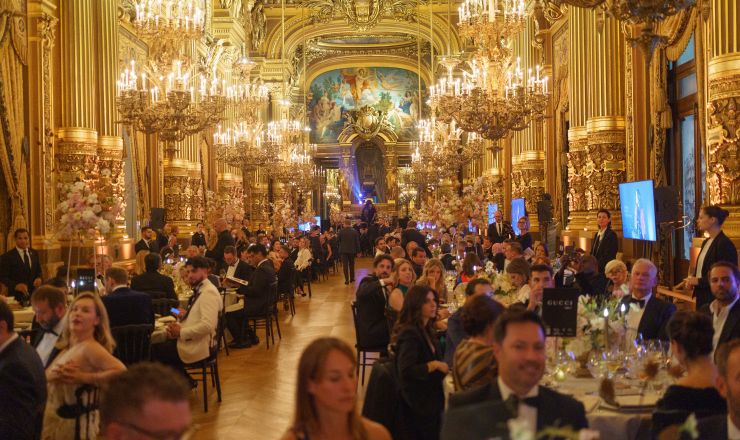
South Africa continues to make its mark on the global stage, taking two of the three World’s Best Rising Star spots, with Mullineux and Alheit Vineyards shortlisted alongside Spain’s Comando G. The Sadie Family Wines, Rising Star winner in 2023 and 2024, has also progressed to the Best Fine Wine Producer in the Rest of the World shortlist. The shortlist is voted for by an Academy of nearly 1,300 senior wine and spirits professionals, whose insights directly inform the full report (released during the awards weekend).
Wine Tourism South Africa announces partnership
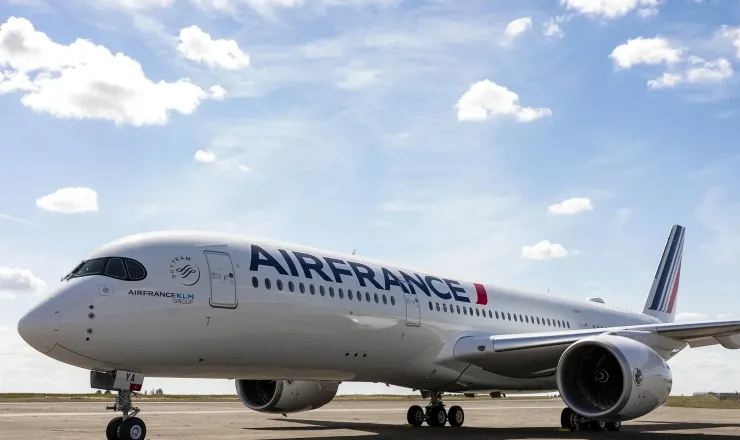
Wine Tourism South Africa has announced Air France-KLM as the official airline partner to the 2027 Wine Tourism Conference.
Brookdale Estate launches Wine Club
Brookdale Estate has announced the launch of its Wine Club, inviting wine lovers to become part of the estate’s ongoing evolution to discover new and exclusive wines from its Paarl cellar.