
What is Regenerative Agriculture?
· 2 min read
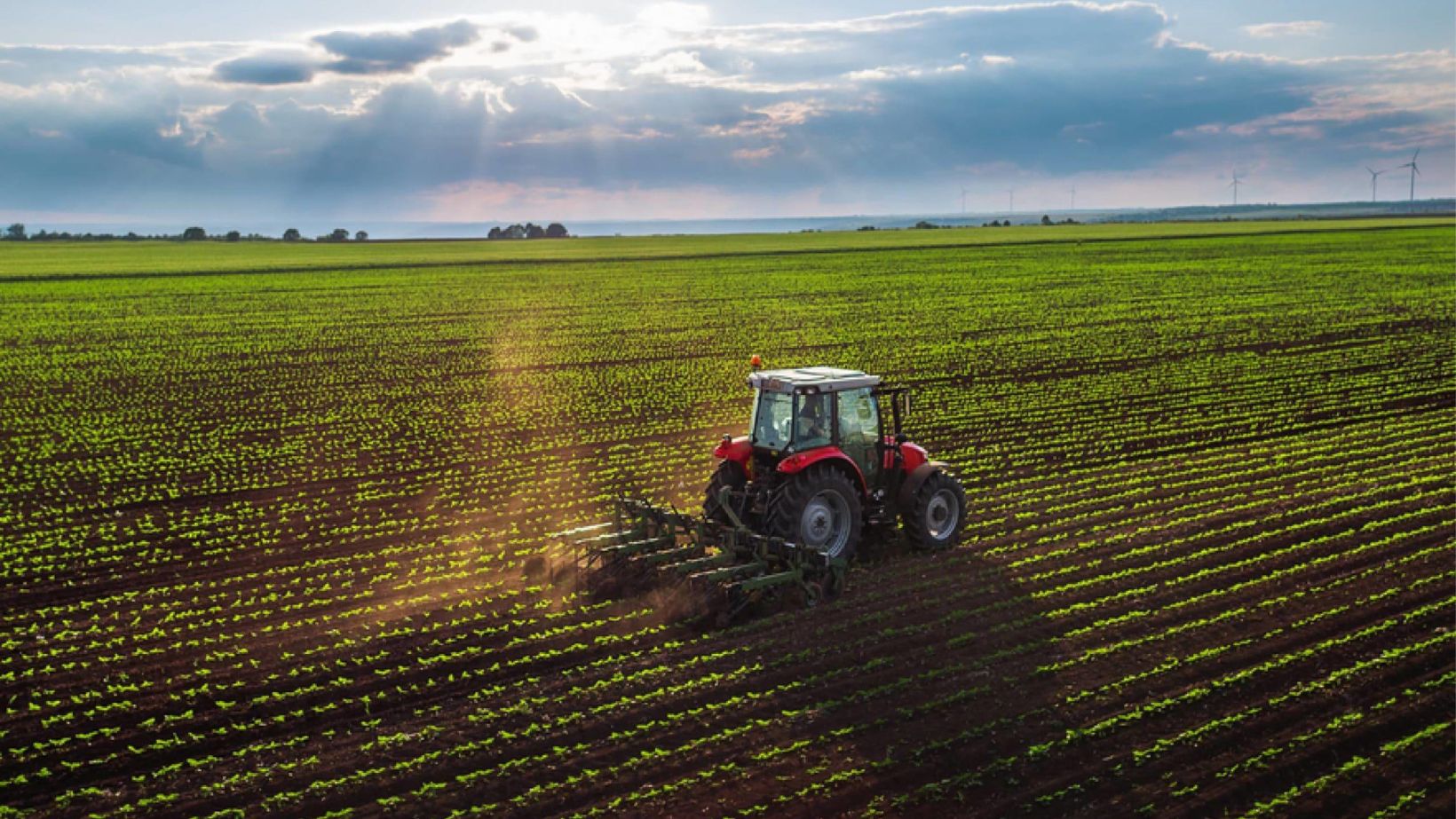
The Atlantic Fertilisers team are keen supporters of regenerative farming. Everyone in the agricultural industry needs to work together to regenerate the earth’s soils and keep them healthy.
Regenerative agriculture is a holistic land management practice that leverages the power of photosynthesis in plants to close the carbon cycle, and build soil health, crop resilience and nutrient density. Regenerative agriculture improves soil health, primarily through the practices that increase soil organic matter.
Regenerative agricultural practices are practices that:
· contribute to generating/building soils and soil fertility and health;
· increase water percolation, water retention, and clean and safe water runoff;
· increase biodiversity and ecosystem health and resiliency
Watch this video to get a better understanding of regenerative agriculture:
Practices include:
- No-till/minimum tillage. Tillage breaks up (pulverises) soil aggregation and fungal communities while adding excess O2 to the soil for increased respiration and CO2 emission. It can be one of the most degrading agricultural practices, greatly increasing soil erosion and carbon loss.
- Soil fertility is increased in regenerative systems biologically through application of cover crops, crop rotations, compost, and animal manures, which restore the plant/soil microbiome to promote liberation, transfer, and cycling of essential soil nutrients.
- Building biological ecosystem diversity begins with inoculation of soils with composts or compost extracts to restore soil microbial community population, structure and functionality restoring soil system energy.
- Well-managed grazing practices stimulate improved plant growth, increased soil carbon deposits, and overall pasture and grazing land productivity while greatly increasing soil fertility, insect and plant biodiversity.
The Atlantic Fertilisers Team believes this approach will give hope for our climate crisis.

More from
People, community and tourism

Wine Tourism South Africa announces partnership
Wine Tourism South Africa has announced Air France-KLM as the official airline partner to the 2027 Wine Tourism Conference.

Brookdale Estate launches Wine Club
Brookdale Estate has announced the launch of its Wine Club, inviting wine lovers to become part of the estate’s ongoing evolution to discover new and exclusive wines from its Paarl cellar.

From vineyard to spa: Why Pinotage is more than just a wine grape
In our print feature, Heavenly Scent, we explored the spa experience at Healing Earth Wellness at Laborie Estate. But that experience starts long before you step into the treatment room. It starts in the vineyard. So why Pinotage? What is it about this proudly South African grape that has earned a…