
Fermentis launches SpringFix™ Mousy and SafŒno™ Bioprotect MP-72
SpringFix™ Mousy is used to remediate mousy off-flavors and restore sound wine hygiene.
· 2 min read
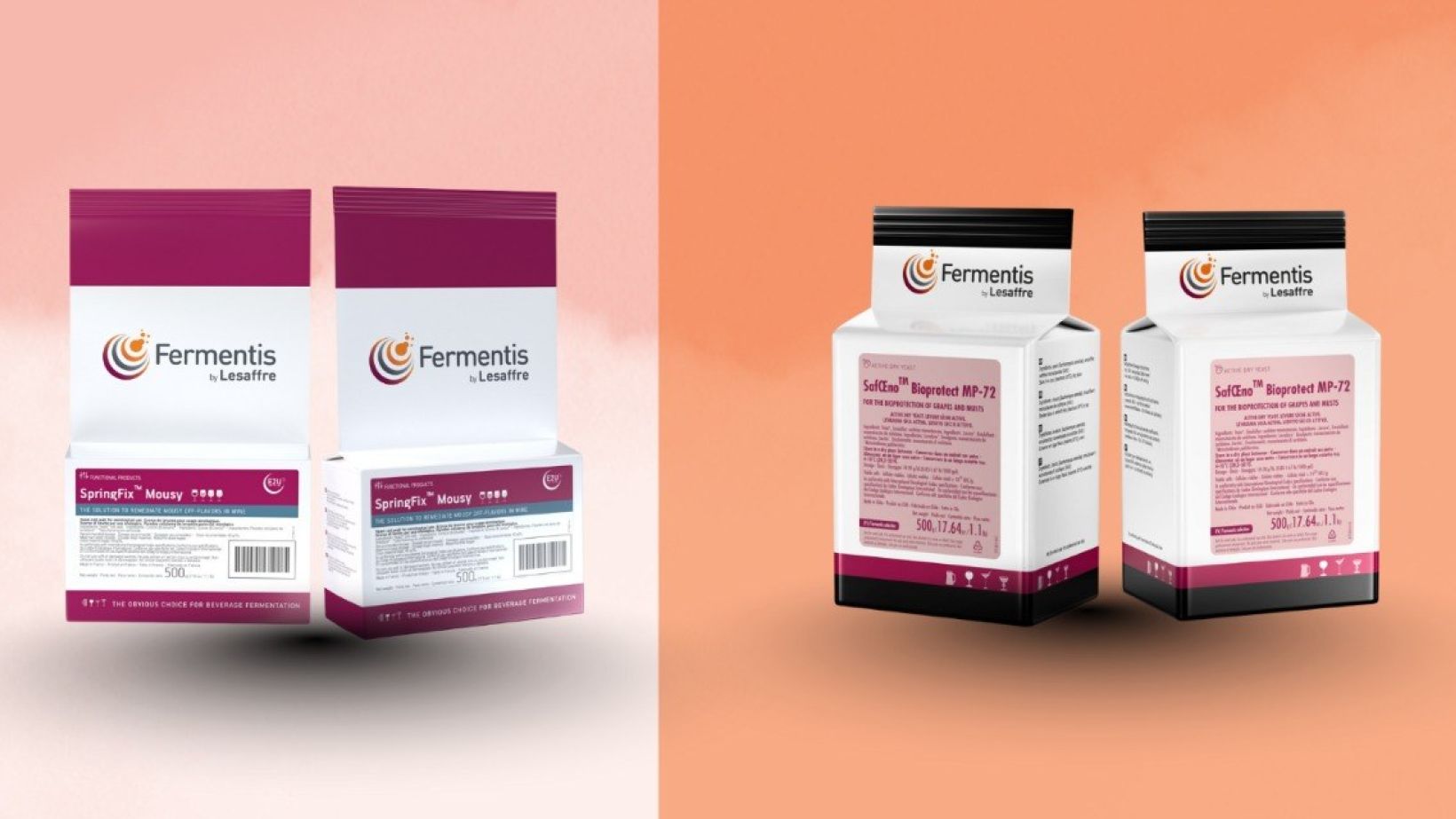
This 100% yeast-derived product helps to adsorb and eliminate the molecules responsible for mousy off-flavor in wine.
Mousy taste is a resurgent defect, directly linked to changes in winemaking methods and climate. This is a particularly unpleasant alteration that affects the organoleptic quality of wines. Made of yeast hulls, SpringFix™ Mousy was developed to help adsorb and eliminate the molecules responsible for mousy off-flavour and restore good wine hygiene.
SpringFix™ Mousy is recommended as a curative solution for all red, white and rosé wines. It detoxifies medium-chain fatty acids that inhibit yeasts and bacteria, and remediates mousy off-flavor thanks to lipidic compounds, which adsorb the molecules responsible for the mousy taste (ATPH, ETHP and APY).
SpringFix™ Mousy eliminates 30-45 per cent of these undesirable off-flavours, helping to restore the aromatic profile and hygiene of wines.
SpringFix™ Mousy is labelled E2U™. This label certifies safe use and a better dispersion of the product. After addition, SpringFix™ Mousy will quickly sediment, allowing the treated wine to be easily racked.
SafŒno™ Bioprotect MP-72 is designed for the bioprotection of grapes and musts.
This specially selected Metschnikowia pulcherrima strain allows winemakers to decrease or skip SO2 additions during pre-fermentative phases.
SafŒno™ BioProtect MP-72 was selected for its ability to colonize the environment and ensure the bioprotection of grapes and musts. This innovative product allows winemakers to reduce or avoid the use of SO2 during the pre-fermentative phases of winemaking.
SafŒno™ BioProtect MP-72 was isolated in a Loire Valley vineyard in France through a program carried out in partnership with the French Institute of Vine and Wine (IFV). The selection of SafŒno™ BioProtect MP-72 is the result of screening several hundred microorganisms from different wine- growing regions and three different vintages.
Pre-fermentative abilities: • Good bioprotection effect with pre-fermentative phases lasting up to 5 days at less than 10°C. • Tolerance to SO2 up to 2 g/hL (20 ppm of TSO2). • High colonization and maintenance of its population in the musts, limiting the development of undesirable wild yeast. • Low alcohol tolerance (2% vol.) and very low fermentation capacity. • Does not limit the growth of the yeast selected for alcoholic fermentation. • Low mineral and organic nitrogen consumption, no requirement for additional nitrogen supplementation due to the use of SafŒno™ Bioprotect MP-72. • No production of undesirable compounds (volatile acidity, SO2 and H2S).

More from
Vineyard, cellar and production

Cellar hygiene
Maintaining a spotless wine cellar requires a comprehensive management plan, which includes structural design, equipment sanitation, environmental controls and routine microbial monitoring.
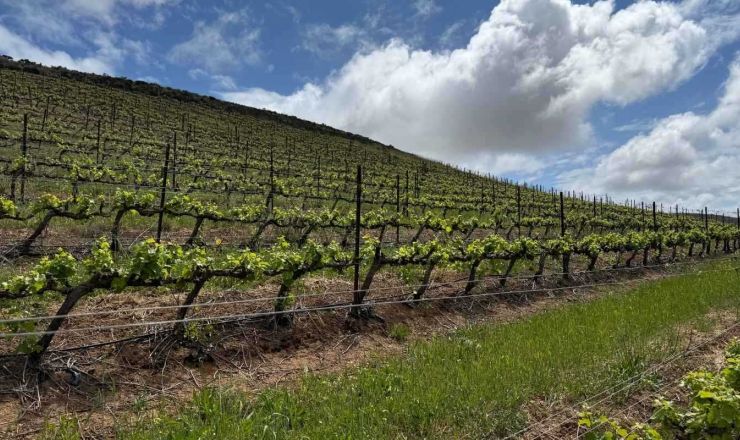
Making wine in Cape Town's Philadelphia ward
Havana Hills overlooks Table Mountain and the Atlantic Seaboard from its perch atop one of the region’s smallest wards, Philadelphia. Piet Kleinhans recently took over the reins as winemaker.
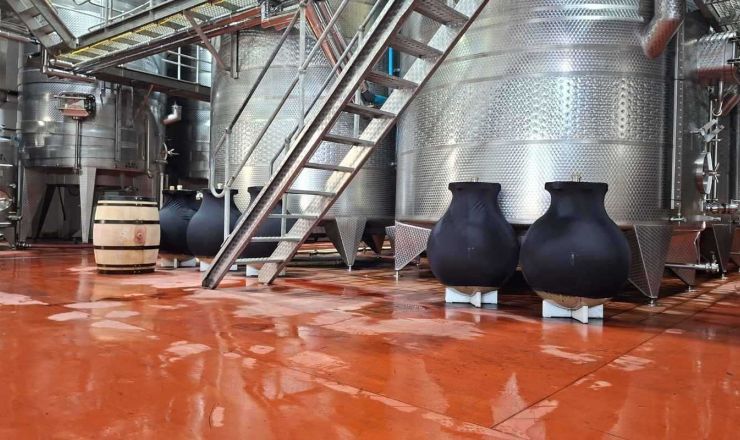
What's so special about wine globes?
Diemersdal places a strong focus on innovation, and there’s always something new up their sleeve. Wineglobes represent a new way of telling a story that’s centuries old.