
Fish hydrolysate promotes soil health in the wine industry
· 2 min read
Long before scientists started researching soil, fish has been used as fertiliser. Small fish were placed in the soil as part of soil preparation before maize was planted. During growing season these fish then slowly decomposed to be a source of nutrients until it was time for harvesting.
Nutrients and organic matter must first be decomposed by organisms such as bacteria, earthworms and fungi, so as to be made available to the plants’ root systems. The use of fish hydrolysate which gets broken down by a cold enzyme process, enhances the microbial activity in the soil as well as improves the plant’s ability to absorb the nutrients and thus promotes plant growth and soil health.

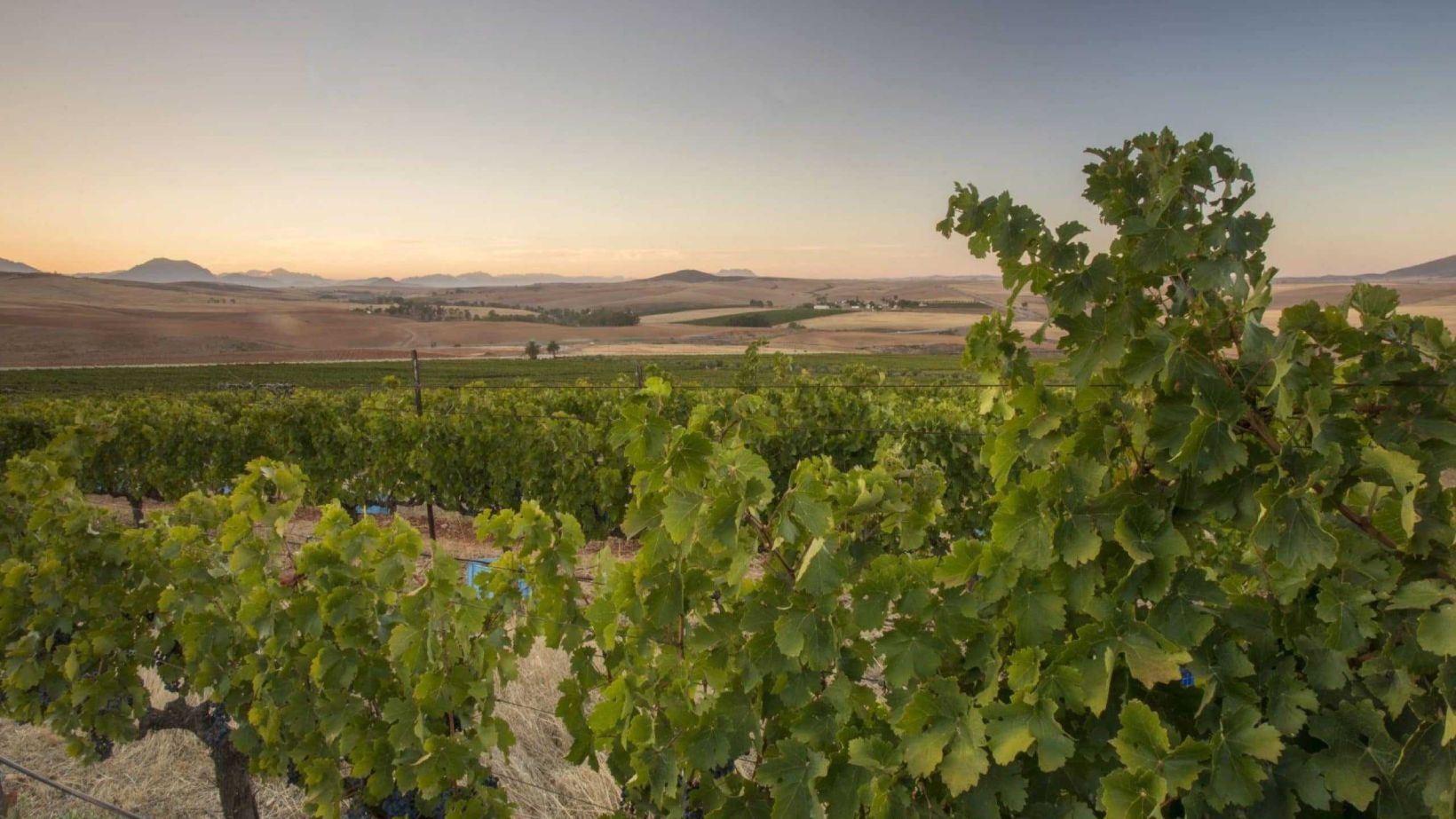
Heini Grobler, viticulturist and olive manager on Org de Rac Organic Wine Estate outside Piketberg, has more than 20 years experience of conventional farming, but for the past almost two years he has been farming with a more organic approach. He uses Atlantic Fertilisers’ organic pelletised chicken manure fertiliser and fish hydrolysate products, as well as cover crops to promote soil health.
The Org de Rac Organic Wine Estate was certified as an organic enterprise in 2000.
“There are numerous products and information available today which makes the transition from conventional farming to organic farming easier and to promote soil health. Healthy soil means healthy crops” says Heini.
With adequate phosphate levels observed during soil analyses, it was necessary for product adjustments. Atlantic Fertilisers’ Eco Ganic was applied on the soil surface along the vine rows and fish hydrolysate and Afrikelp’s kelp product were applied through the driplines.
“The fish hydrolysate is applied at 20 litres per ha together with 8 litres of kelp. “It is easy to use the fish hydrolysate and it doesn’t block the driplines,” says Heini.
Heini believes his soil is rich in biodiversity and that this is a contributing factor to an excellent finished product.


More from
Vineyard, cellar and production
Cellar hygiene
Maintaining a spotless wine cellar requires a comprehensive management plan, which includes structural design, equipment sanitation, environmental controls and routine microbial monitoring.
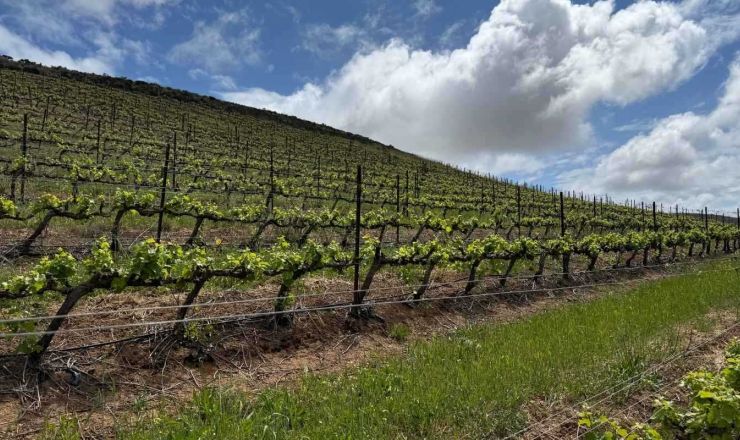
Making wine in Cape Town's Philadelphia ward
Havana Hills overlooks Table Mountain and the Atlantic Seaboard from its perch atop one of the region’s smallest wards, Philadelphia. Piet Kleinhans recently took over the reins as winemaker.
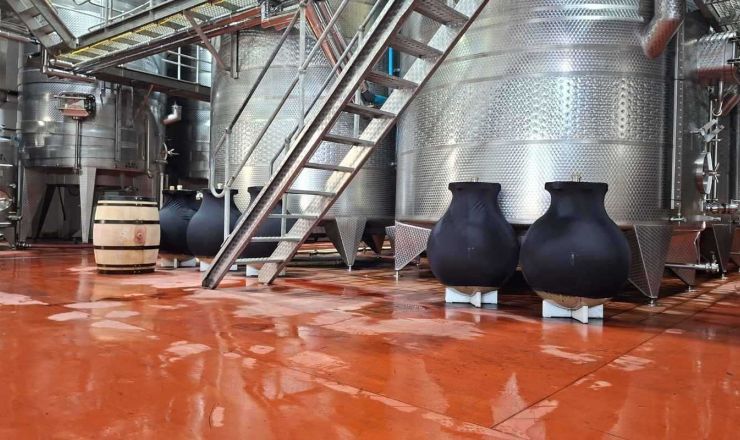
What's so special about wine globes?
Diemersdal places a strong focus on innovation, and there’s always something new up their sleeve. Wineglobes represent a new way of telling a story that’s centuries old.