
Fynbos Vineyard Pilot Project further boosts Delheim's pioneering conservation efforts
Delheim Wine Estate, renowned for its pioneering conservation efforts, recently launched their Fynbos Vineyard Pilot Project, funded by WWF South Africa. It integrates indigenous fynbos species with the vineyard operations, ensuring this unique and endangered fynbos biome flourishes alongside…
· 3 min read

Situated in the heart of the Cape Floral Kingdom, Delheim has been protecting this unique floristic region for generations. A globally recognised biodiversity hotspot, it has the highest known concentration of plant species in the world, with nearly 70% growing nowhere else on Earth!
Delheim is home to the highly-threatened renosterveld vegetation, and a sanctuary for rare and endangered fynbos, such as Boland Granite Fynbos; the vulnerable Grootsteekhaarbos; the near-threatened Bobbejaantie; the Green Tree-pincushion and the Green Sugarbush protea.
Fynbos and renosterveld are at the centre of Delheim’s conservation efforts. “With only 5% of the original extent of renosterveld remaining intact today, our conservation work is more important than ever, and vital for maintaining biodiversity and ecological balance,” says Nora Thiel from Delheim. “With both under significant threat from agricultural expansion, the challenge lies in balancing farming and development with the preservation of this unique ecosystem.”
Conserving Fynbos at Delheim
Recognised as a WWF Conservation Champion and winner of the Best of Wine Tourism Great Wine Capitals of the World 2024 Conservation Pioneer, Delheim’s practices align with its conservation ethos, including no-till farming, planting cover crops, water recycling, alien vegetation clearing projects, and restoration of endangered renosterveld habitats.
Collaborating with Discover Renosterveld, Delheim’s latest bold step in conserving South Africa’s unique biome is the Fynbos Vineyard Pilot Project, funded by a WWF Conservation Champion Activation Fund grant.
Fynbos Vineyard Pilot Project
The project involves planting indigenous fynbos species within its Riesling vineyards to enhance vineyard health.
From a viticultural perspective, the more natural the vineyard environment, the healthier and more expressive the grapes,” says Corlia Erasmus, Farm Manager at Delheim. “We have committed to establish 10% fynbos corridors between our vineyards annually to re-establish indigenous vegetation, conserve biodiversity, and sustain natural ecosystems.”
“Integrating fynbos corridors between Delheim’s vineyards provides habitats for pollinators, birds, and beneficial predator insects, while enhancing soil health, to create healthier ecosystems,” explains Lynda Muller from Discover Renosterveld. “It is an exciting initiative that will benefit both biodiversity and the quality of the harvest.”
Bringing Fynbos to the Guests
The project also enables visitors to engage with nature in an accessible, interactive way, without venturing far. “This initiative brings the fynbos experience to people, allowing guests and the public to engage with it firsthand,” says Thiel.
Delheim also hosts unique nature-inspired experiences year-round, such as their annual harvest festival; mushroom foraging; bird watching; and volunteer alien plant hacking.
Delheim’s fynbos-inspired events include a Fynbos Cupcake and Wine Pairing, and a unique Delheim Fynbos Botanical Tasting, recently hosted in collaboration with Giselle Courtney, founder of Cape Town Fynbos Experience®, who introduced guests to ancient, indigenous flavours created with renosterveld fynbos seasonings.
“This is a new and truly South African to experience food and an exquisite natural connection to our identity,” says Courtney. “By developing an indigenous culinary economy with unique fynbos flavours, we can secure the future of fynbos through responsible use.”
Come and experience it!
“We want visitors to Delheim to experience a deeper appreciation for the incredible Cape Floral Kingdom and to be inspired to protect our fynbos and renosterveld ecosystems,” says Thiel.
“Delheim’s efforts are vital for restoring biodiversity,” concludes Muller. “Everyone can play a part by visiting areas like Delheim that showcase these plants; learning about renosterveld; supporting responsible producers and advocating for conservation. Small actions make a big difference.”
For more information, please visit Delheim’s website.

More from
Vineyard, cellar and production
One vineyard. Eight components. Five years of patience.
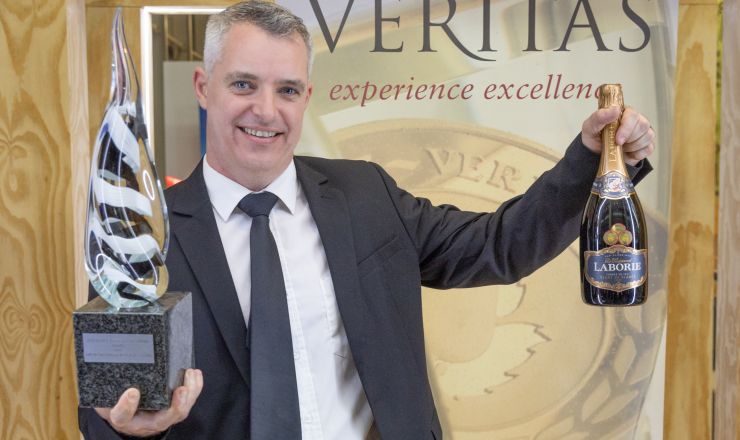
When KWV’s Laborie Blanc de Blancs 2020 claimed the Duimpie Bayly Vertex Trophy at the 2026 Veritas Awards, it was more than another win for the Paarl-based producer. It was only the third time a Cap Classique had taken the competition’s highest honour, selected from 1 293 entries.
How to understand regenerative farming
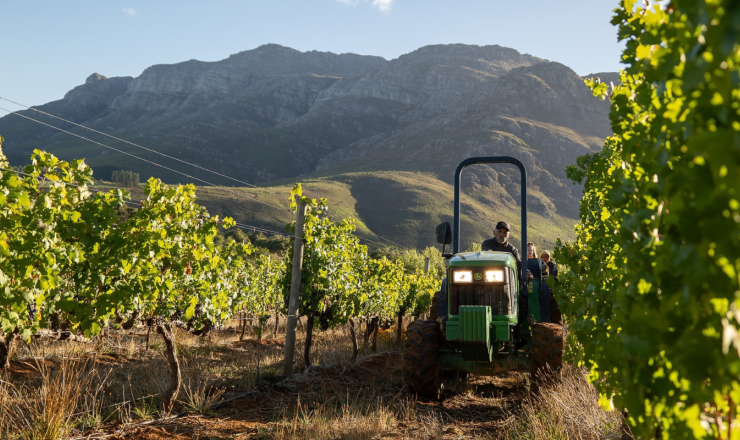
Regenerative farming is becoming part of the language of modern viticulture, but what does it actually look like in a vineyard?
JC Smith praat oor wynmaak in die Oos-Vrystaat
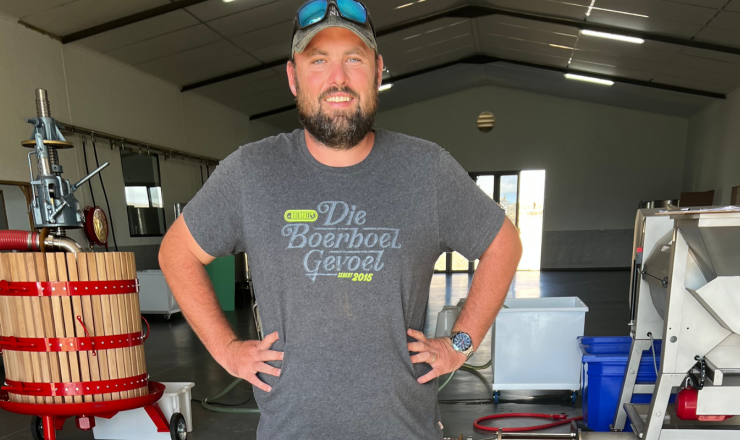
JC Smith is ’n derdegeslag-wynmaker. Sy oupa Dassie en pa Flip was albei wynmakers, en hy het tussen wingerde en wynkelders grootgeword. Hy is tans die wynmaker by Blydschap in die Oos-Vrystaat.